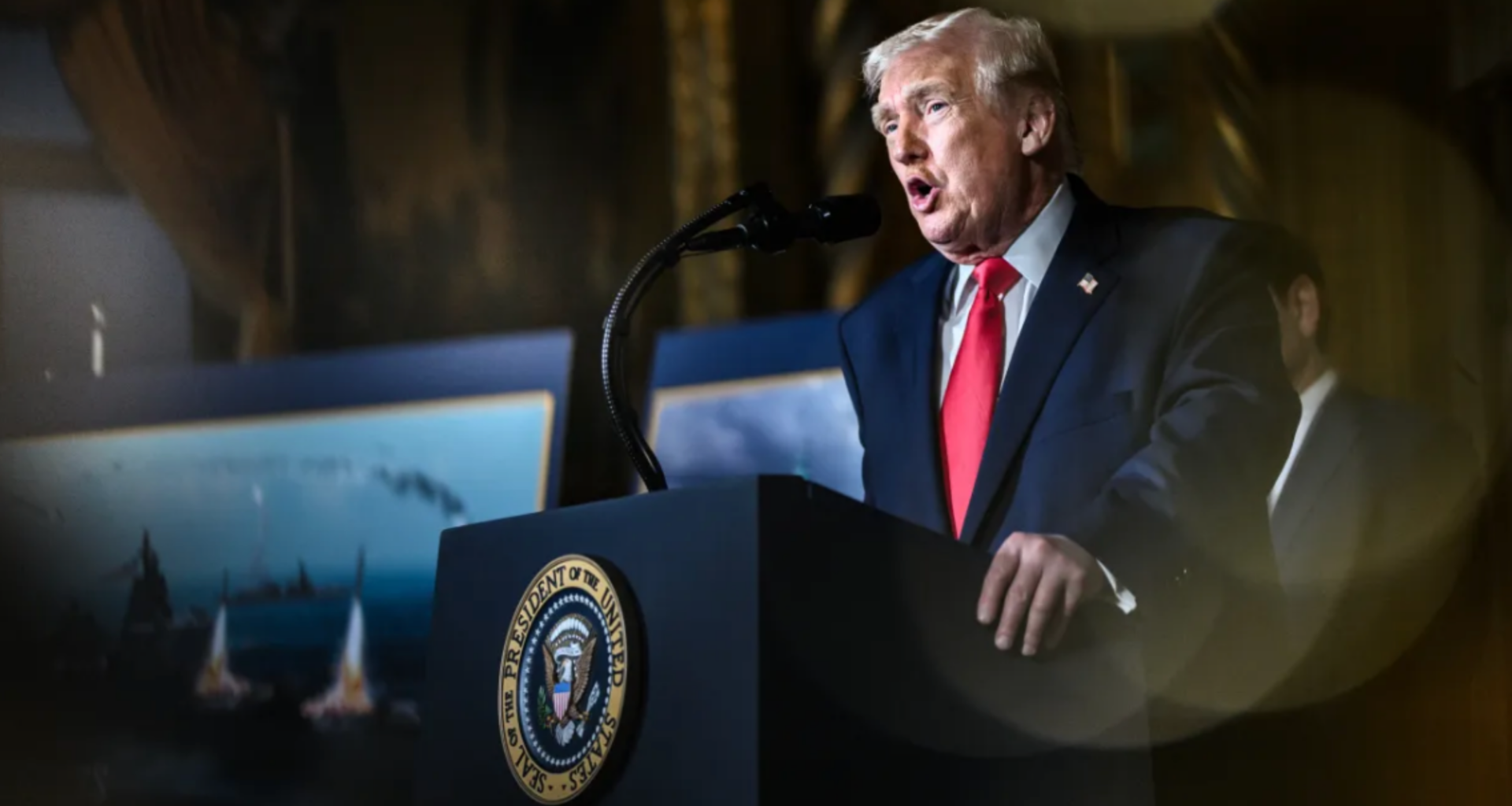
A three-time Donald Trump voter said she still believes the president can fix a faltering economy that she insists has worsened on his watch. Three sentences that cut to the heart of American economic discontent: in Bethlehem, Pennsylvania, credit specialist Jenique Jones, a staunch supporter of President Trump in 2016, 2020, and 2024, told CNN’s John King that rising costs, exhausted household budgets, and deepening financial strain belie official claims of economic success.
Jones said she is still ‘waiting‘ for the president to deliver on his promises to lower the cost of living, despite voting for him three times. Asked whether Trump had fulfilled his pledge to fix the economy, Jones replied bluntly: ‘Absolutely not… I’m definitely waiting for him to fix it.’ She added that she feels ‘very, very let down,’ insisting that conditions have only worsened for her and her clients since he returned to the White House.
‘A Whole Bunch of Financial Mess’
Jones said her business, which helps clients repair credit and manage personal finances, has never been busier, a reality she views not as a sign of economic health but as proof of hardship. She told King her husband lost all overtime work, daycare costs have surged, food costs are unaffordable, and many families rely on credit cards just to make ends meet. ‘No money left after their bills are paid,’ she said, describing the situation as ‘pretty much just a whole bunch of financial mess’.
Her comments came amid sharp contrasts between the administration’s messaging and the lived experience of many voters. Trump has repeatedly asserted that prices are falling and that inflation is under control, telling supporters at events that the United States is in a ‘golden age’ of economic prosperity. However, independent data show that many fundamental costs, from groceries to housing, remain stubbornly high, leaving households struggling with everyday essentials.
Frontline Perspectives in a Bellwether District
Bethlehem’s economic story reflects broader national patterns. Residents told CNN that food prices, childcare, and insurance costs have climbed beyond what many families can absorb. The average rent for a one-bedroom apartment in the area is approximately £1,500 ($1,900) a month, up about six per cent on last year, a rise that far outpaces wage growth in many sectors.
At a local barbershop, customers and staff alike spoke of the need to make every penny count, with one barber advising clients to opt for slightly shorter haircuts so they can go longer between visits. Another three-time Trump voter, shop owner Ronald Corales, acknowledged the rising costs but urged a degree of patience, reflecting a tension among some Republicans between enduring short-term pain and holding faith in long-term political allegiance.
Economic Metrics vs Lived Reality
While the US economy has shown pockets of strength, such as continued employment growth and stabilising inflation figures reported by federal agencies, those aggregate indicators often mask uneven experiences at the household level. Many lower- and middle-income families find that wage increases have not kept pace with costs for essentials like groceries, childcare, and housing. This dynamic has fuelled a growing K-shaped recovery in which wealthier households benefit from asset price growth while working families feel increasing pressure.
Data from consumer sentiment surveys reflect deepening scepticism among many Americans about economic direction under Trump’s leadership. Polls indicate a significant share of the population feels personal finances have deteriorated over the past year, even as official inflation rates show moderation. For voters like Jones, these lived experiences outweigh broader metrics touted by policymakers.
The political implications are significant. Northampton County, where Bethlehem sits, has a long history of predicting national election outcomes. Trump’s narrow 2024 victory here helped flip Pennsylvania’s 7th Congressional District to the Republican column. Yet, economic dissatisfaction in the region now figures prominently in Democratic efforts to regain ground ahead of the 2026 midterms.
BREAKING: Trump’s economy is cracking. Jobs numbers revised to recent record lows. 60% of Americans blame Trump for high cost of living, which Trump promised to reduce. Manufacturing employment, which Trump promised to bring back, had its biggest contraction in 5 years. MAGA (?) pic.twitter.com/hrlF1WUPz8
— David Pakman (@dpakman) August 1, 2025
A Crisis of Faith?
The emotional weight of these economic struggles is palpable. Voters of all stripes express frustration with the gap between political promises and their financial realities. Jones’s story is emblematic of a broader wave of economic anxiety that transcends simple partisan loyalty. While some Republicans remain steadfast, others are re-evaluating their allegiance as economic pressures persist, leaving President Trump to face mounting pressure to address the tangible financial stress felt by ordinary Americans.