Published on
January 6, 2026
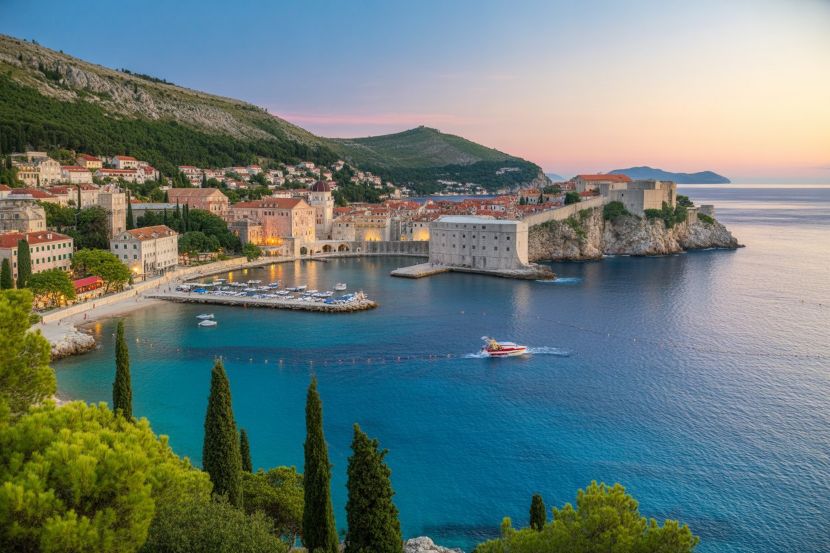
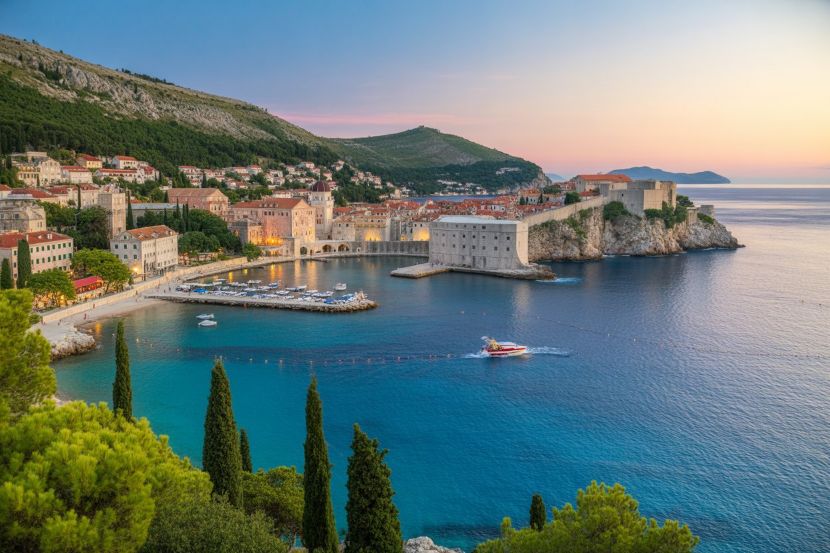
As Croatia heads into 2026, the country’s tourism industry stands poised for a year of strong growth, with official data and government-backed strategies highlighting a bright future. The nation’s coastline continues to be a key attraction for travelers from across the globe, with cities like Dubrovnik, Split, and Rovinj seeing rising visitor numbers. Tourism authorities project continued strong performance through 2026, driven by efforts to improve infrastructure, strengthen sustainability, and create memorable, high-quality experiences for travelers.
In 2025, Croatia saw a record number of visitors, with over 21 million tourists making their way to the Adriatic. This increase not only reflects the allure of the country’s stunning beaches, but also the growth of its cultural and historical offerings. As a result, the Croatian National Tourist Board (CNTB) is optimistic that 2026 will be another banner year, with projections for even higher visitor numbers.
This momentum is supported by Croatia’s continuous appeal as a hub for both leisure and business travel. According to the latest reports, Zagreb, Dubrovnik, and Split are expected to remain popular with European visitors, particularly from Germany, Austria, and Slovenia. The Croatian tourism sector’s diversity is evident in the varied types of visitors it attracts — whether they are drawn to the country’s charming towns, UNESCO World Heritage Sites, or the culinary and cultural experiences that have become signature offerings. With robust transportation links and ongoing infrastructure projects, including the expansion of international flights and the development of new hotels, Croatia is well-positioned to offer a seamless experience for tourists in 2026.
Sustainability at the Heart of Tourism Growth
As tourism numbers continue to rise, Croatia is keen on ensuring that growth does not come at the expense of its natural beauty and cultural heritage. The Croatian government has committed to a long-term Sustainable Tourism Development Strategy, set to guide the sector through 2030. This plan focuses on preserving the environment, promoting eco-friendly tourism, and balancing the needs of tourists with the well-being of local communities.
Key elements of this strategy include improving waste management, supporting renewable energy sources for tourism businesses, and fostering responsible travel behaviors. Furthermore, new regulations are being implemented to ensure that tourist accommodations are registered and monitored, with a strict emphasis on compliance with environmental and health standards. These efforts will contribute to maintaining Croatia’s pristine natural landscapes, which are a major draw for travelers looking to explore its national parks, islands, and protected areas.
New Legislation and Initiatives to Improve the Tourist Experience
The Croatian government has introduced a set of new rules aimed at improving the quality of the visitor experience in 2026. One such initiative is the mandatory registration of all holiday rentals, set to take effect in mid-2026. This policy will help ensure that the growing short-term rental market remains transparent and accountable. By implementing a registration system for rental properties, Croatia aims to create a more organized and trustworthy environment for tourists, reducing the risks associated with unregulated rentals.
In addition to accommodation regulation, the CNTB has ramped up its marketing efforts, showcasing not only Croatia’s beaches but also its cultural festivals, heritage sites, and gastronomic tourism. These initiatives aim to extend the tourism season beyond the summer months, attracting visitors during the spring and autumn months when the weather remains pleasant, but the crowds are thinner. With Croatia’s rich history and diverse landscapes, the country offers something for every type of traveler, from adventurers seeking outdoor activities to history buffs exploring ancient sites.
Boosting Regional Tourism
While the major cities of Dubrovnik, Split, and Zagreb typically draw the largest crowds, Croatia has been focusing on promoting its lesser-known regions to balance the tourism load. Cities like Zadar and Osijek are emerging as alternative hotspots, with new investments in hospitality, infrastructure, and local tourism experiences designed to attract visitors beyond the country’s well-established destinations. The Croatian government’s support for these regions is expected to encourage tourists to explore more of the country, further stimulating local economies.
Looking Ahead: The Future of Croatian Tourism in 2026
As Croatia continues to develop and refine its tourism offerings, 2026 is expected to be a pivotal year. Strong governmental support, coupled with the private sector’s willingness to innovate, ensures that Croatia will remain one of Europe’s premier travel destinations. Whether it’s the charm of Istria’s coast, the historic allure of Zadar’s Roman ruins, or the stunning natural landscapes of Plitvice Lakes National Park, the future of tourism in Croatia looks incredibly promising.
Croatia is not only aiming for a record-breaking tourism season in 2026, but it is also positioning itself as a leader in sustainable tourism. With a focus on eco-friendly development, quality visitor experiences, and infrastructure improvements, Croatia’s tourism sector is set to thrive for years to come. As more travelers seek responsible, enriching travel experiences, Croatia’s commitment to preserving its natural beauty while offering world-class services will undoubtedly enhance its appeal on the global stage.
