Published on
January 6, 2026
Austria joins France, Netherlands, Italy, and the UK in struggling with overtourism as iconic villages face overwhelming crowds, infrastructure strain, and a loss of local culture. Once tranquil and picturesque, these villages have been transformed by the sheer volume of tourists drawn by their beauty and social media fame. While tourism brings economic benefits, the pressure it places on residents and their way of life is undeniable, with many villages now facing the challenge of balancing the economic value of tourism with the need to preserve their heritage and authenticity.
Europe’s picturesque villages, once cherished for their tranquility and charm, are now facing an unprecedented challenge: overtourism. From the fairytale streets of Hallstatt to the windmill-lined paths of Kinderdijk, small European villages are being transformed by a steady influx of visitors drawn by Instagram, social media fame, and viral moments. These idyllic spots, which have long attracted travelers seeking authenticity, are now struggling to preserve their cultural heritage and way of life amid overcrowding, infrastructure strain, and local resentment. The issue is so pressing that authorities in several countries are starting to implement measures to protect these areas.
Hallstatt, Austria: When Beauty Turns into Overcrowding
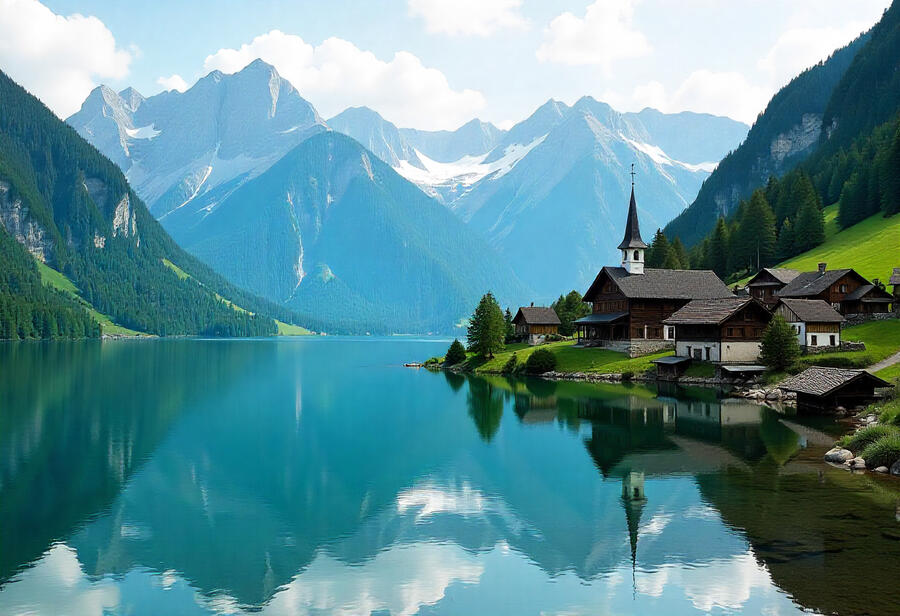
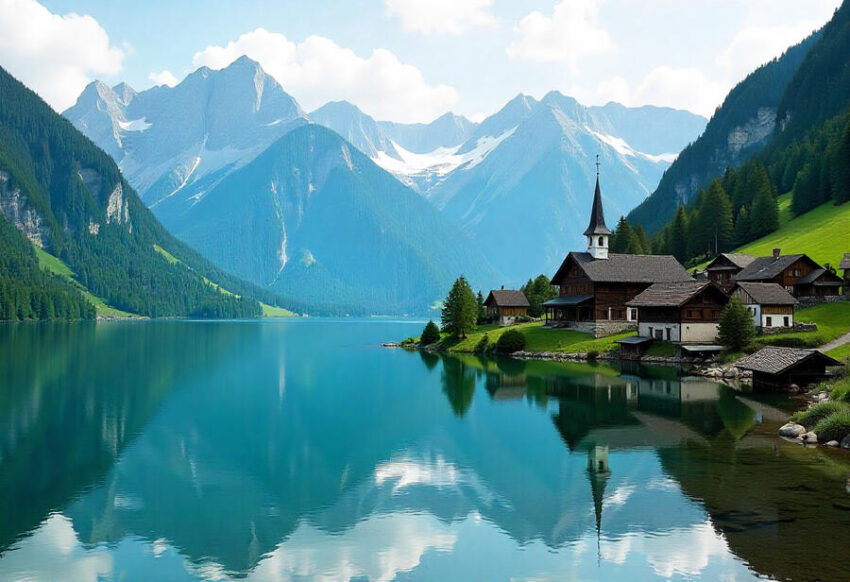
Hallstatt, an alpine village in Austria, epitomizes the harsh reality of overtourism. Once known primarily for its salt mines and stunning lakeside beauty, it has now become a pilgrimage for Disney fans, who flock to the village believing it inspired the setting for Frozen. The village’s population of around 700 people is dwarfed by the 10,000 tourists that visit daily, with many staying only long enough to snap a photo of its postcard-perfect scenery.
This relentless influx has strained the small roads and walkways, disrupted local life, and left residents feeling overwhelmed by constant noise and trespassing visitors. While the village has implemented measures such as traffic caps and barriers at viewpoints to control the crowds, it remains unable to fully mitigate the overwhelming tourism surge. The question remains: How can Hallstatt preserve its authenticity and beauty while accommodating the tourism it now depends on?
Mont-Saint-Michel, France: Tidal Island Overwhelmed by Social Media Fame
Mont-Saint-Michel in France, a UNESCO World Heritage Site, faces a similar struggle. Known for its medieval architecture, stunning tides, and rich pilgrimage history, the island was once a serene destination for travelers. However, in recent years, social media fame—especially from TV shows like Lupin—has turned Mont-Saint-Michel into a must-visit location for millions of tourists. With over three million visitors annually, the island’s narrow streets have become increasingly congested, and its infrastructure is buckling under the weight of tourism.
The French government is taking steps to manage this crisis, including exploring visitor caps, booking systems, and turnstiles to regulate tourist flow. Additionally, authorities are encouraging visits during off-peak hours to spread the crowds and reduce congestion. Still, Mont-Saint-Michel’s historic charm is increasingly threatened by the very thing that made it famous—its viral rise to popularity.
Kinderdijk, Netherlands: Windmills and the Battle Against Mass Tourism
Kinderdijk, a serene Dutch village famed for its iconic 18th-century windmills, has become another victim of overtourism. The village, which is home to just 60 residents, attracts over 600,000 visitors each year, many arriving by cruise ship. With these visitors comes a range of issues: blocked streets, overcrowded spaces, and disrespectful tourists who trespass onto private property in search of the perfect shot.
The Kinderdijk World Heritage Foundation is increasing efforts to preserve the site’s historical charm while accommodating growing numbers. Measures such as banning tour buses from the center and imposing drone photography permits have been introduced to curb the damage. Yet, the village remains deeply divided between the economic benefits of tourism and the need for preservation. As overtourism continues to impact Kinderdijk, it becomes clearer that finding a balance is increasingly difficult.
Pienza, Italy: Pecorino Cheese Leads to a Cultural Erosion
In Italy, Pienza, a picturesque Tuscan village renowned for its Renaissance urban planning and pecorino cheese, is also feeling the strain of overtourism. The village, once a quiet haven for locals, has become a popular day-trip destination for cheese lovers. While tourism provides economic benefits, locals have voiced concerns over the rising number of tourists, particularly those seeking only the famous cheese and disregarding the village’s historical significance.
The shift in local priorities is noticeable: souvenir shops have replaced essential services, and restaurants have adapted their menus to cater to tourist tastes. Moreover, the historic bell tower has been silenced overnight due to noise complaints from tourists, symbolizing the erosion of the village’s authenticity. Pienza has yet to implement measures to curb overtourism on the scale of other Italian cities like Venice, leaving it vulnerable to continued strain from mass tourism.
Goathland, UK: Harry Potter Fame Leads to Crowded Streets and Overburdened Infrastructure
Goathland, a quaint village in North Yorkshire, is another small community overwhelmed by overtourism. The village, once known for its connection to Heartbeat, has now been thrust into the spotlight as a filming location for the Harry Potter series. While Goathland’s charming streets once attracted only a handful of visitors, the fame of the village’s Hogsmeade Station has led to a dramatic increase in tourist numbers.
The influx of visitors has strained local infrastructure, with narrow streets and limited parking making everyday life more challenging for residents. Shops and cafes, once catering to local needs, are increasingly focusing on tourists, and communal spaces are being overtaken by crowds. Despite regional efforts to manage the flow of visitors, Goathland has yet to adopt specific policies to mitigate overtourism, leaving the village vulnerable to the long-term impacts of its newfound fame.
Overtourism in Europe: A Growing Crisis for Idyllic Villages
The struggles of Hallstatt, Mont-Saint-Michel, Kinderdijk, Pienza, and Goathland serve as a stark reminder of the growing problem of overtourism across Europe. These once tranquil, idyllic villages are now facing overcrowding, cultural erosion, and an unsustainable tourism model that threatens their long-term survival. In many cases, residents feel that they are becoming second-class citizens in their own homes, as the very attractions that made their villages special are now being exploited for mass tourism.
Across Europe, similar challenges are playing out in cities like Venice, Barcelona, and Dubrovnik, where overtourism has led to protests and calls for action. As tourism grows, so too does the need for effective solutions to ensure that the local culture, heritage, and way of life are not lost in the pursuit of economic gain.
To address these challenges, authorities in various regions are implementing measures such as visitor caps, timed entry systems, and incentives for off-peak visits. These initiatives aim to balance the need for tourism revenue with the preservation of local identity and infrastructure. Yet, the battle against overtourism is far from over.
As overtourism continues to impact small European villages, it is clear that sustainable tourism practices must be embraced to safeguard the future of these unique destinations. Local authorities, tourism boards, and residents must work together to create policies that balance tourism growth with cultural preservation. Meanwhile, travelers themselves must adopt a more mindful approach to tourism, respecting the heritage and privacy of the communities they visit.
Austria joins France, Netherlands, Italy, and UK in struggling with overtourism as charming villages face overcrowding and infrastructure strain due to the influx of social media-driven tourists. This overwhelming pressure is threatening local culture and community life, pushing authorities to find sustainable solutions.
Only by embracing sustainable tourism can Europe’s idyllic villages retain their authenticity, charm, and cultural significance for future generations. Without a concerted effort to address overtourism, these once-hidden gems could face irreversible damage, forever altering their character and the experiences they offer.
