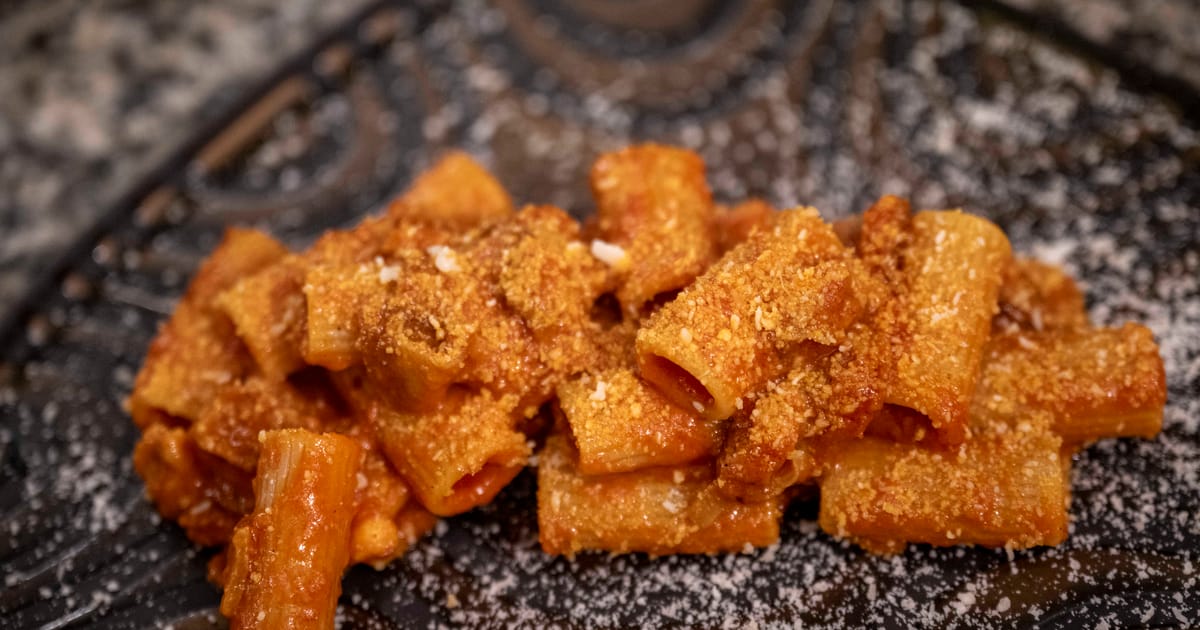
From carbonara to tiramisù, many beloved Italian classics are relatively recent creations, not much older than the culinary “blasphemies” from across the pond, like chicken parmesan or Hawaiian pizza. Even more surprising is the extent of U.S. influence on contemporary Italian food itself. Pizza, for instance, only earned its red stripes when American pizza-makers began adding tomato sauce to the dough, in turn influencing pizzaioli back in Italy.
And yet, some Italian politicians, like Minister of Agriculture Francesco Lollobrigida, have called for investigations into brands promoting supposedly misleadingly “Italian sounding” products, such as carbonara sauces using “inauthentic” ingredients like pancetta. Lollobrigida would do well to revisit the original written recipe of carbonara, published in a 1954 cookbook, which actually called for the use of pancetta and Gruyère cheese — quite unlike its current pecorino, guanciale and egg yolk-based sauce.
Simply put, Italian cuisine wasn’t just exported by the diaspora — it is also the product of the diaspora.
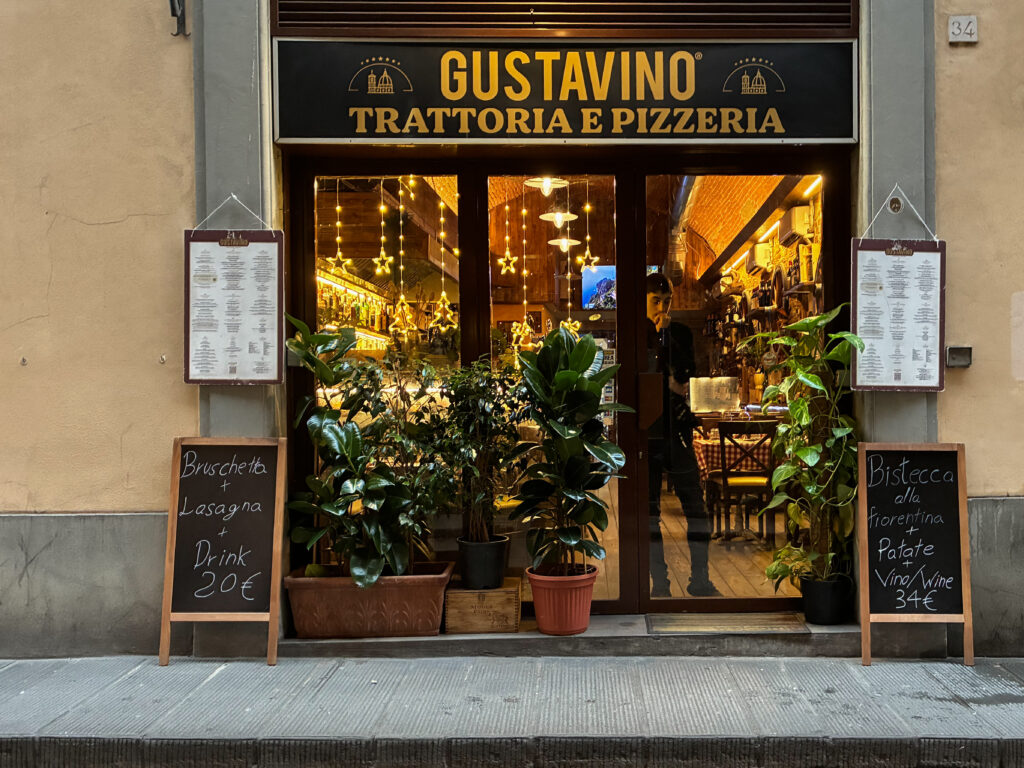 One study even suggests the UNESCO nod alone could boost Italian tourism by up to 8 percent. | Michael Nguyen/NurPhoto via Getty Images
What makes it so rich and beloved is that it has continued to evolve through time and place, becoming a source of intergenerational cohesion, as noted by UNESCO. Static “sacredness” is fundamentally antithetical to a cuisine that’s constantly reinventing itself, both at home and abroad.
The profound ignorance underpinning Italian gastronationalism could be considered almost comedic if it weren’t so perfidious — a seemingly innocuous tool in a broader arsenal of weaponry, deployed to score cheap political points. Most crucially, it appeals directly to emotion in a country where food has been unwittingly dragged into a culture war.
“They’re coming for nonna’s lasagna” content regularly makes the rounds on Facebook, inflaming millions against minorities, foreigners, vegans, the left and more. And the real kicker? Every nonna makes her lasagna differently.
Hopefully, UNESCO’s recognition can serve as a moment of reflection in a country where food has increasingly been turned into a source of division. Italian cuisine certainly merits recognition and faces genuine threats — the impact of organized crime and the effects of climate change on crop growth biggest among them. But it shouldn’t become an unwitting participant in an ideological agenda that runs counter to its very spirit.
For now, perhaps it’s best if our government kept politics off the dinner table.