After the capture of Venezuelan President Nicolas Madura by the US, citizens of Venezuela in the United States can now apply for refugee status. Reportedly, Homeland Security Secretary Kristi Noem said on Sunday after TPS for the country ended.
Speaking on Fox News Sunday, Noem defended the Trump administration’s decision to end the Biden-era TPS designation for Venezuelans, arguing that the measure ensures US immigration programs follow the law. “Venezuela today is more free than it was yesterday,” she said.
She added: “Every individual that was under TPS has the opportunity to apply for refugee status. We need to make sure that our programs actually mean something, and that we’re following the law.”
READ: USCIS cuts work permit validity for green card applicants from 5 years to 18 months (December 4, 2025)
Reportedly, approximately 600,000 Venezuelans legally residing in the US under TPS now face potential deportation to a country whose government remains unstable.
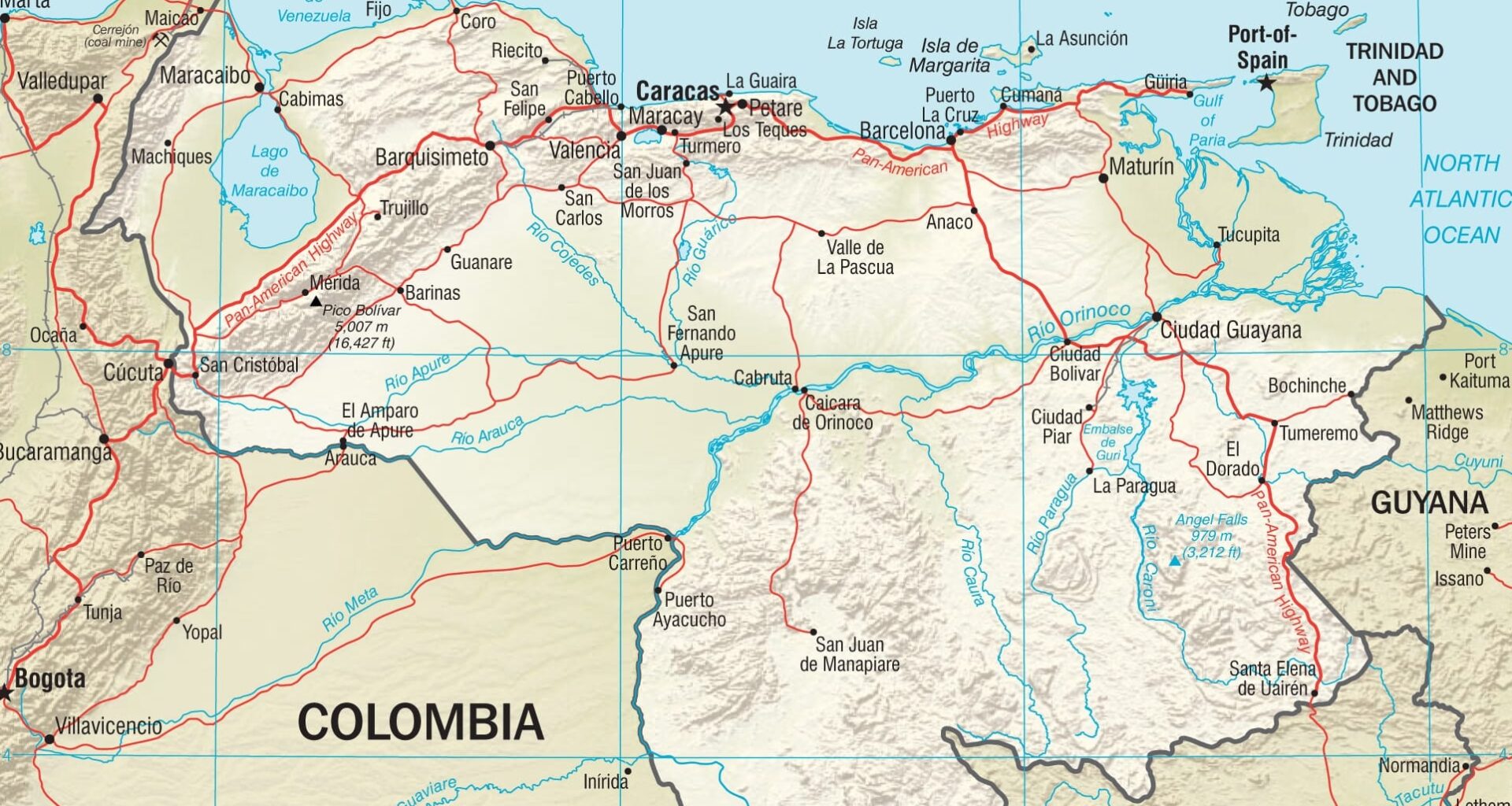
As of early 2026, Venezuela is experiencing an unprecedented political crisis following a dramatic U.S. military operation. US forces conducted a raid in Caracas that resulted in the capture of President Nicolás Maduro and his wife, Cilia Flores, who were subsequently flown to the United States to face federal charges, including allegations of drug trafficking and narcoterrorism. This intervention, described by US President Donald Trump as a temporary measure to run the country until a safe transition, has sparked global controversy, with many nations condemning the action as a violation of Venezuela’s sovereignty.
In the immediate aftermath, Vice President Delcy Rodríguez was installed as interim president. Rodríguez has sought negotiations and collaboration on her own terms. Venezuelans face uncertainty and anxiety, with citizens divided between cautious hope for change and fear of continued instability, economic hardship, and political repression. The U.S. intervention has drawn international attention to issues of sovereignty, interventionism, and regional stability.
Reportedly, Miami Mayor Eileen Higgins called the revocation “reckless, dangerous, and wrong,” urging the administration to reinstate protections.
What is TPS designation in the US?
Temporary Protected Status (TPS) is a program in the United States that allows people from certain countries to stay in the U.S. temporarily if it is unsafe for them to return home. TPS is granted to people from countries affected by war, natural disasters, or other extraordinary conditions.
People with TPS cannot be deported while their status is active, and they can apply for a work permit to legally work in the U.S. The program is temporary — typically lasting from 6 to 18 months. TPS does not give permanent residency or citizenship.
READ: US green card crisis deepens, costing leadership roles (July 18, 2025)
The situation in Venezuela and the US response highlights the complexities of migration, humanitarian protection, and international law. Policies like Temporary Protected Status reflect the U.S. commitment to providing safety for individuals from countries facing extraordinary crises, yet changes to such programs can create uncertainty and stress for affected communities. When political instability intersects with immigration policy, it underscores the delicate balance between enforcing legal frameworks and addressing humanitarian needs. The broader implications extend beyond individual lives, affecting social cohesion, local economies, and international relations. This case also raises questions about the role of foreign intervention in sovereign nations and how such actions reverberate for civilians, governments, and the global community.