After the United States military intervention in Venezuela, the Mexican government and analysts discounted the likelihood of unilateral U.S. military action against Mexican drug cartels, despite threats from President Donald Trump.Mexican President Claudia Sheinbaum’s administration has been complying with Washington’s demands and the economic ties between the two countries are vital, they say.Nonetheless, many expect more such threats as a way to extract more concessions from Mexico. No one dares rule out completely an unexpected move by the U.S. president.Sheinbaum downplayed the possibility of U.S. military action Monday. “I don’t see risks (of that),” she said. “There is coordination, there is collaboration with the United States government.”“I don’t believe in (the possibility of) invasion, I don’t believe even that it’s something they are taking seriously,” she said. “Organized crime is not taken care with (foreign military) intervention.”Here are some of the reasons:Mexico is not VenezuelaMexico has a radically different situation from that of Venezuela or other countries Washington is eying, like Cuba. First, Sheinbaum is a popular and legitimately elected president. Second, Mexico is the main commercial partner of the United States, a country where 40 million Mexicans live. Third, U.S. Secretary of State Marco Rubio “has recognized that there is high-level cooperation with Mexico,” said Martha Bárcena, former Mexican ambassador to the United States.Threats, a “negotiation weapon”Trump and his collaborators have flirted with the idea of invading or attacking the cartels in Mexico since his election campaign, but in increasingly measured tones.Sheinbaum has confirmed that the idea of U.S. military intervention in Mexico has been brought up repeatedly in her conversations with Trump, but said she has always rejected the offer. She sees it as a non-starter and insists that her relationship with Trump is one of mutual respect.The threat, though, similar to those about tariffs on Mexican imports — some carried out and others not — has been a “negotiation weapon” to get “commercial, diplomatic and political advantages,” said Mexican security analyst David Saucedo. Rubio and Trump “play good cop, bad cop,” with Trump threatening and Rubio smoothing over, he said.Mexico is doing what the US asksMexico is doing almost everything that Washington has requested since Trump began imposing tariffs, experts say. Sheinbaum’s administration became more aggressive toward the cartels than her predecessor. There have been more arrests, drug seizures and extraditions. Mexico has agreed to receive more deportees from other countries.“Intervention, military action in Mexico, would suspend that cooperation,” said Carlos Pérez Ricart, a political analyst at Mexico’s Center for Economic Research and Teaching (CIDE). That would be a great risk to the U.S. because it would be left without a partner to work with, he added.Saucedo said that U.S. military action in Mexico would require money, logistics and risks, while “a comment, a post on social networks doesn’t cost anything” and has been very effective.More pressure to comeAnalysts believe the threats will continue to be the Trump administration’s negotiation style, especially this year when the U.S.-Mexico-Canada free trade agreement (USMCA) is up for revision.Saucedo said Trump could demand more access for U.S. security agencies, even if operations are presented publicly as coordinated and carried out by Mexico. He could also pressure Mexico for more high-profile captures or to stop exporting oil to Cuba, or threaten new tariffs.“With the ongoing negotiations over punitive tariffs, the statutory revision of the USMCA and the delicate antidrug cooperation agenda, the Mexican government will have to be very meticulous in its position and statements,” Arturo Sarukhán, another former Mexican ambassador to the U.S., said. Rallying around Maduro “would cost Mexico dearly,” as could Mexico’s ongoing support of Cuba.Bárcena, the diplomat, said that what Mexico still needs to address is political corruption tied to organized crime while still defending international law.No one is willing to rule out U.S. military intervention, even if the possibility is very slim.“The United States does not function under rational logic,” Pérez Ricart, the analyst, said. “At this moment, all possibilities are open, including those unimaginable a year ago.”
After the United States military intervention in Venezuela, the Mexican government and analysts discounted the likelihood of unilateral U.S. military action against Mexican drug cartels, despite threats from President Donald Trump.
Mexican President Claudia Sheinbaum’s administration has been complying with Washington’s demands and the economic ties between the two countries are vital, they say.
Nonetheless, many expect more such threats as a way to extract more concessions from Mexico. No one dares rule out completely an unexpected move by the U.S. president.
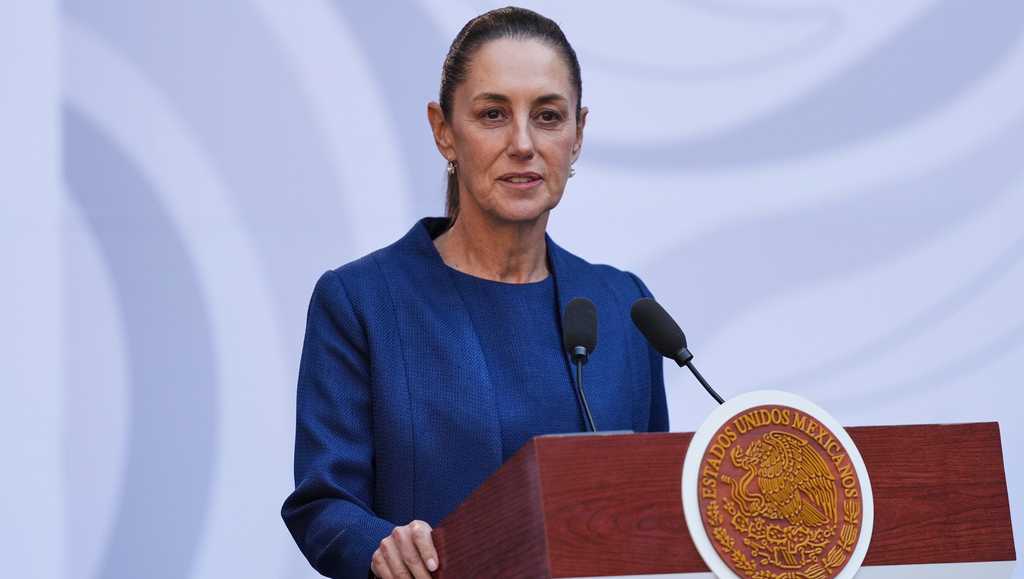
Sheinbaum downplayed the possibility of U.S. military action Monday. “I don’t see risks (of that),” she said. “There is coordination, there is collaboration with the United States government.”
“I don’t believe in (the possibility of) invasion, I don’t believe even that it’s something they are taking seriously,” she said. “Organized crime is not taken care with (foreign military) intervention.”
Here are some of the reasons:
Mexico is not Venezuela
Mexico has a radically different situation from that of Venezuela or other countries Washington is eying, like Cuba. First, Sheinbaum is a popular and legitimately elected president. Second, Mexico is the main commercial partner of the United States, a country where 40 million Mexicans live. Third, U.S. Secretary of State Marco Rubio “has recognized that there is high-level cooperation with Mexico,” said Martha Bárcena, former Mexican ambassador to the United States.
Threats, a “negotiation weapon”
Trump and his collaborators have flirted with the idea of invading or attacking the cartels in Mexico since his election campaign, but in increasingly measured tones.
Sheinbaum has confirmed that the idea of U.S. military intervention in Mexico has been brought up repeatedly in her conversations with Trump, but said she has always rejected the offer. She sees it as a non-starter and insists that her relationship with Trump is one of mutual respect.
The threat, though, similar to those about tariffs on Mexican imports — some carried out and others not — has been a “negotiation weapon” to get “commercial, diplomatic and political advantages,” said Mexican security analyst David Saucedo. Rubio and Trump “play good cop, bad cop,” with Trump threatening and Rubio smoothing over, he said.
Mexico is doing what the US asks
Mexico is doing almost everything that Washington has requested since Trump began imposing tariffs, experts say. Sheinbaum’s administration became more aggressive toward the cartels than her predecessor. There have been more arrests, drug seizures and extraditions. Mexico has agreed to receive more deportees from other countries.
“Intervention, military action in Mexico, would suspend that cooperation,” said Carlos Pérez Ricart, a political analyst at Mexico’s Center for Economic Research and Teaching (CIDE). That would be a great risk to the U.S. because it would be left without a partner to work with, he added.
Saucedo said that U.S. military action in Mexico would require money, logistics and risks, while “a comment, a post on social networks doesn’t cost anything” and has been very effective.
More pressure to come
Analysts believe the threats will continue to be the Trump administration’s negotiation style, especially this year when the U.S.-Mexico-Canada free trade agreement (USMCA) is up for revision.
Saucedo said Trump could demand more access for U.S. security agencies, even if operations are presented publicly as coordinated and carried out by Mexico. He could also pressure Mexico for more high-profile captures or to stop exporting oil to Cuba, or threaten new tariffs.
“With the ongoing negotiations over punitive tariffs, the statutory revision of the USMCA and the delicate antidrug cooperation agenda, the Mexican government will have to be very meticulous in its position and statements,” Arturo Sarukhán, another former Mexican ambassador to the U.S., said. Rallying around Maduro “would cost Mexico dearly,” as could Mexico’s ongoing support of Cuba.
Bárcena, the diplomat, said that what Mexico still needs to address is political corruption tied to organized crime while still defending international law.
No one is willing to rule out U.S. military intervention, even if the possibility is very slim.
“The United States does not function under rational logic,” Pérez Ricart, the analyst, said. “At this moment, all possibilities are open, including those unimaginable a year ago.”