Published on
January 6, 2026
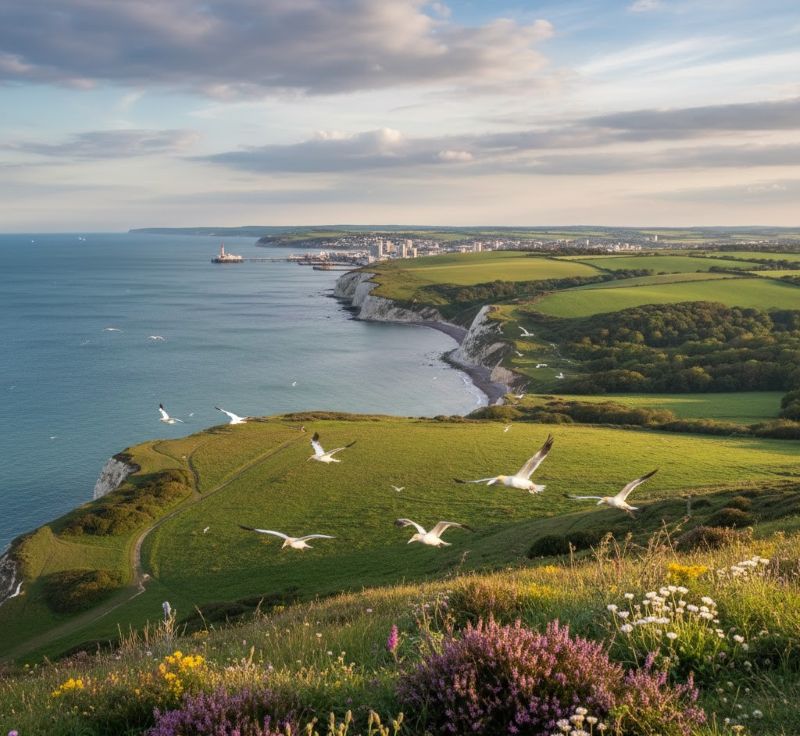
North Devon Joins Dyfi Biosphere, The Living Coast, Isle of Man, Wester Ross, Moor House, and Taynish National. Unveil the Ultimate Booming Travel Secrets of the United Kingdom That You’ve Never Heard Of. When it comes to exploring the hidden wonders of the United Kingdom, few places compare to the ultimate booming travel secrets that await in the UNESCO Biosphere Reserves. North Devon has just joined an exclusive group of natural destinations, alongside the Dyfi Biosphere, The Living Coast, Isle of Man, Wester Ross, Moor House, and Taynish National—each offering something extraordinary for eco‑tourists, nature lovers, and adventure seekers alike.
These regions are far more than just picturesque landscapes—they represent vibrant ecosystems, thriving wildlife, and rich cultural heritage, all set within some of the most undisturbed, breathtaking environments in the country. North Devon, now part of this prestigious list, offers an explosive mix of rugged coastlines, sweeping dunes, and lush woodlands, making it the perfect addition to the growing list of travel destinations you simply cannot afford to miss.
Each of these biosphere reserves offers a unique experience. From the Dyfi Biosphere in Wales, with its fascinating raised bogs and diverse habitats, to the spectacular chalk cliffs of The Living Coast in Sussex, the UK’s biosphere reserves offer an unrivalled combination of nature, wildlife, and sustainability. As North Devon joins Dyfi Biosphere, The Living Coast, and the others, it adds to the growing appeal of the UK’s eco‑tourism scene.
The Isle of Man, nestled in the Irish Sea, brings a unique blend of Celtic and Norse heritage, while Wester Ross in the Scottish Highlands invites those who seek tranquillity in the remote wilderness. Meanwhile, Moor House offers incredible upland habitats, and Taynish National is an awe‑inspiring example of a temperate rainforest, teeming with biodiversity. These reserves are truly the ultimate travel secrets, each one offering a new perspective on sustainable tourism.
In 2026 and beyond, these hidden gems will continue to attract travelers looking for an authentic connection with nature, untouched by the crowds. Whether you seek adventure, wildlife, or cultural immersion, these biosphere reserves offer it all—hidden wonders you won’t find anywhere else in the world. Unveil these booming destinations and prepare to be amazed by what the United Kingdom has to offer.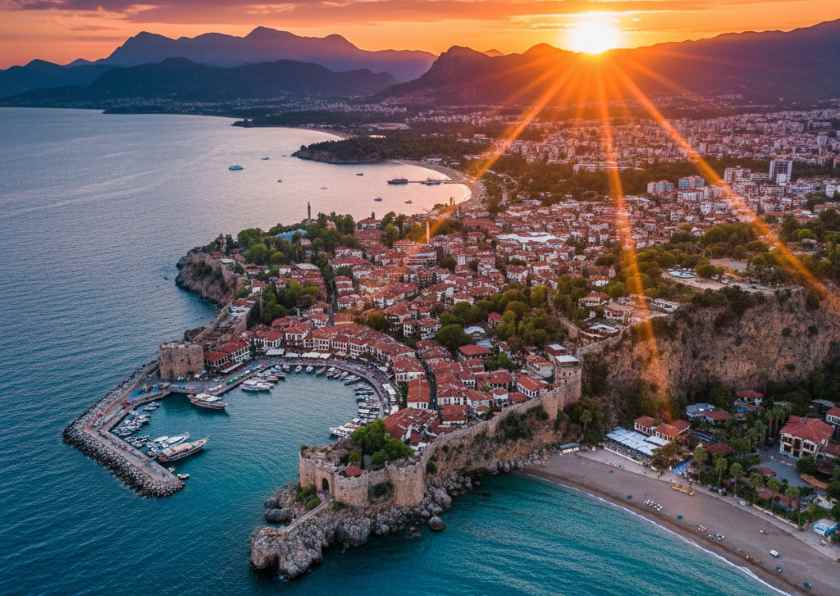
1. Dyfi Biosphere Reserve — A Welsh Wilderness of Wildlife and Culture
Location: Mid-Wales, stretching to Cardigan Bay
UNESCO Designation: 1977
The Dyfi Biosphere Reserve is an exquisite example of Wales‘ coastal wetlands, heathlands, and woodlands. Nestled along the Dyfi River estuary, it boasts one of the largest intact raised bogs in the UK—Cors Fochno (Borth Bog). The diverse ecosystems found here make it a haven for migratory birds, rare invertebrates, and native wildlife such as red squirrels and golden eagles.
What Makes It Special:
• Biodiversity: The reserve is home to rare species like the golden eagle and migratory birds.
• Cultural Heritage: Towns like Aberystwyth and Tywyn host traditional Welsh festivals and offer a chance to experience local culture.
• Dynamic Landscape: The ever-changing landscape of saltmarshes and dune systems along the Dyfi estuary adds to the beauty and complexity of this biosphere.
Visitor Highlights:
• Wildlife Trails: Explore the scenic trails and discover diverse birdlife.
• Borth Bog: Visit one of the largest raised bogs in the UK, an essential habitat for wildlife.
• Stunning Views: Enjoy panoramic views of the coastline from the hills and dunes.
2. The Living Coast — Brighton & Lewes Downs (England)
Location: Sussex, England
UNESCO Designation: 2014
The Living Coast Biosphere Reserve is one of the most unique biospheres in the UK. Stretching from the iconic Seven Sisters cliffs to the rolling hills of the South Downs, this reserve combines marine ecosystems with the urban vibrancy of Brighton and Hove. It serves as a model of how urban populations can live harmoniously within natural spaces, creating a seamless blend of urban development and natural beauty.
What Makes It Special:
• Chalk Grasslands: The South Downs are home to diverse wildflower meadows, rich in plant and insect life.
• Marine Ecosystems: The Brighton Marine Area is renowned for its sub-tidal chalk reefs that support a variety of marine species.
• Urban-Nature Synergy: This biosphere uniquely integrates large urban areas with natural landscapes, offering a rare opportunity to experience both in one place.
Visitor Highlights:
• South Downs Way: A fantastic hiking route offering breathtaking views over chalk cliffs and the English Channel.
• Marine Exploration: Explore the sub-tidal reefs via boat tours, discovering the rich marine life.
• Sustainability Practices: Learn about the eco-tourism and sustainability efforts that make the region a pioneering model for responsible tourism.
3. Galloway and Southern Ayrshire Biosphere (Scotland)
Location: South-west Scotland
UNESCO Designation: 2012
The Galloway and Southern Ayrshire Biosphere spans 9,800 km² of wild landscapes, including mountain ranges, forests, and coastlines. This biosphere is home to Merrick, the highest peak in southern Scotland, and supports a wide range of wildlife such as golden eagles, red deer, and rare birds of prey. The combination of rugged terrain and remote beauty makes this biosphere a haven for outdoor enthusiasts and nature photographers.
What Makes It Special:
• Mountainous Terrain: Merrick offers challenging hiking routes with spectacular views.
• Biodiversity: The reserve is a stronghold for golden eagles and a wide variety of birds of prey.
• Remote Wilderness: The area provides a tranquil escape from urban life, offering peaceful solitude in its woodlands and wetlands.
Visitor Highlights:
• Hiking Trails: Explore Glen Trool and Silver Flowe, home to diverse wildlife and stunning landscapes.
• Birdwatching: The biosphere is a prime spot for observing golden eagles and other raptors.
• Wildlife Watching: Spot red deer and otters in their natural habitats, enjoying some of the most pristine landscapes in the UK.
4. Isle of Man Biosphere — Celtic Island of Rich Natural Heritage
Location: The Irish Sea
UNESCO Designation: 2016
The Isle of Man is a stunning island in the Irish Sea, offering a rich mix of Celtic, Norse, and British cultural heritage. The island’s marine biodiversity is extraordinary, with species like basking sharks, dolphins, and Atlantic cod thriving in its waters. The island is also known for its dramatic coastlines and sandy beaches, making it a must-visit for both nature lovers and culture enthusiasts.
What Makes It Special:
• Marine Biodiversity: The waters around the Isle of Man are home to basking sharks, dolphins, and seabirds.
• Cultural Heritage: The island’s Celtic and Norse heritage is reflected in its architecture, festivals, and local traditions.
• Wildlife and Habitats: The island supports a variety of habitats, including seabird colonies and otters.
Visitor Highlights:
• Coastal Walks: Discover dramatic coastlines while observing marine life in the surrounding waters.
• Cultural Immersion: Explore the island’s rich traditions and historic sites through local festivals and tours.
• Wildlife Watching: Take guided tours to spot basking sharks and dolphins in the surrounding waters.
5. Isle of Wight Biosphere — Island Diversity and Sustainability
Location: Southern Coast of England
UNESCO Designation: 2019
The Isle of Wight is a relatively new addition to the UNESCO Biosphere Network, known for its chalk cliffs, woodlands, and diverse coastal habitats. This biosphere serves as an example of sustainable tourism, where conservation efforts go hand-in-hand with tourism development. It offers a blend of traditional farming, rural villages, and natural landscapes.
What Makes It Special:
• Chalk Cliffs and Woodlands: Home to distinctive landforms like chalk cliffs and ancient woodlands.
• Sustainability: The island is a model for eco-tourism and community conservation efforts.
• Rich Wildlife: It supports a wide variety of species, including seabirds, butterflies, and insects.
Visitor Highlights:
• Cycling and Walking Routes: Discover the island’s beauty through eco-friendly cycling and walking trails.
• Historical Sites: Visit historical landmarks and explore heritage sites.
• Sustainable Tourism: Participate in local conservation projects and contribute to protecting the island’s biodiversity.
6. North Devon’s Biosphere Reserve — England’s Coastal Sand Dune Wonderland
Location: North Devon, England
UNESCO Designation: 1976
The North Devon Biosphere Reserve is home to England’s largest sand dune system, Braunton Burrows, and offers an array of saltmarshes, heathlands, woodlands, and coastal grasslands. This diverse landscape makes it a haven for wildlife enthusiasts, photographers, and surfers alike.
What Makes It Special:
• Largest Sand Dune System: Braunton Burrows is home to rare species and unique ecosystems.
• Marine Biodiversity: The reserve includes Lundy Island, known for its marine conservation efforts.
• Conservation Success: More than 60 Sites of Special Scientific Interest (SSSI) within the reserve.
Visitor Highlights:
• Surfing at Saunton Sands: Ideal for world-class surfing and beach activities.
• Wildlife Watching: Spot seals, otters, and a wealth of bird species.
• Ecology Trails: Walk through diverse ecosystems, from coastal grasslands to ancient woodlands.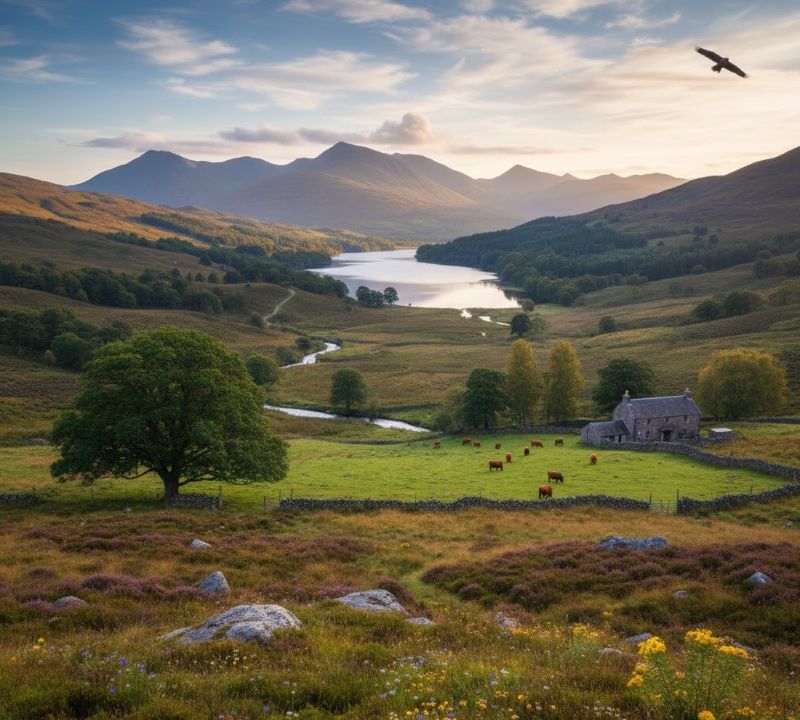
7. Wester Ross Biosphere — Highlands of Wild Serenity
Location: Northwest Scotland
UNESCO Designation: 2016
The Wester Ross Biosphere is one of the most remote and untouched regions in Scotland. From the towering peaks of the Torridon Mountains to the serene waters of Loch Maree, this biosphere offers a variety of landscapes, from Caledonian forests to mountain ranges.
What Makes It Special:
• Mountain Landscapes: Torridon Mountains provide challenging hiking routes.
• Caledonian Forests: One of the last remaining pine forests in the UK.
• Wildlife: The region is home to species like otters, eagles, and red squirrels.
Visitor Highlights:
• Kayaking and Canoeing: Explore tranquil lochs and secluded rivers by kayak.
• Remote Hiking: Hike through untouched landscapes, reaching the peaks of Torridon Mountains.
• Wildlife Watching: Spot elusive species like otters and sea eagles.
8. Moor House – Upper Teesdale (Former UNESCO Biosphere Status, England)
Location: Teesdale, England
Former UNESCO Designation
Although Moor House – Upper Teesdale no longer holds UNESCO biosphere status, it remains a significant site for ecological research. Known for its blanket peat bogs, upland grasslands, and arctic-alpine flora, this reserve is an ideal location for those seeking peace and solitude.
What Makes It Special:
• Arctic-Alpine Flora: Home to rare plants and unique ecosystems.
• Birdwatching Paradise: A haven for observing rare birds like golden plovers and merlins.
• Ecological Research: The site is a research center for studies on upland ecosystems and climate change.
Visitor Highlights:
• Birdwatching: Spot rare species in the remote uplands.
• Solitude: Ideal for nature lovers seeking tranquility in unspoiled landscapes.
9. Great Fen Biosphere Project (Proposed, England)
Location: Cambridgeshire, England
UNESCO Designation: Proposed
The Great Fen Project is an ambitious restoration effort aimed at reconnecting wetlands, fens, and woodlands. While not yet a UNESCO biosphere, it stands as an exemplary model for large-scale landscape restoration.
What Makes It Special:
• Wetland Restoration: Focuses on restoring peatland and wetland habitats.
• Sustainability: A model for community-driven conservation efforts.
• Wildlife Watching: The restored wetlands are home to rich birdlife and rare species.
Visitor Highlights:
• Wetland Tours: Discover the ongoing restoration projects and witness the thriving wildlife.
• Biodiversity Watching: Spot birds, insects, and other wildlife in the restored habitats.
10. Taynish National Nature Reserve (Historical UNESCO Corridor, Scotland)
Location: Argyll, Scotland
Former UNESCO Status
Taynish remains an iconic site of temperate rainforest ecosystems, though it no longer holds official UNESCO biosphere status. The reserve’s legacy as a former biosphere corridor continues to make it a critical area for conservation and wildlife watching.
What Makes It Special:
• Temperate Rainforest: One of the last remaining temperate rainforests in the UK.
• Rich Fauna: Home to species like red squirrels and wildcats.
• Cultural Heritage: Taynish is significant for its Gaelic cultural history and its connection to the land.
Visitor Highlights:
• Rainforest Exploration: Hike through ancient woodlands and learn about the ecology of temperate rainforests.
• Wildlife Watching: Spot red squirrels, wildcats, and other native species.
Ten United Kingdom UNESCO Biosphere Reserves — Traveller OverviewBiosphere DestinationUNESCO StatusRegionTourism Context 2025Dyfi Biosphere ReserveOfficial UNESCOMid-Wales / Cardigan BayUK inbound visits forecast to rise ~5% in 2025 (43.4 m) with increased spending.The Living Coast (Brighton & Lewes Downs)Official UNESCOSussex, EnglandSurging demand for coastal, culture and nature tourism within broader UK growth.Galloway & Southern Ayrshire BiosphereOfficial UNESCOSouth-west ScotlandScotland continues to benefit from domestic and inbound travel recovery.Isle of Man BiosphereOfficial UNESCOIsle of Man (Irish Sea)Island tourism aligns with growing UK rural travel trends.Isle of Wight BiosphereOfficial UNESCOSouthern EnglandMatches UK trend of strong nature and rural tourism interest.North Devon’s Biosphere ReserveOfficial UNESCONorth Devon, EnglandDevon’s coastal and outdoor attractions align with UK inbound rise.Wester Ross BiosphereOfficial UNESCONorthwest ScotlandRemote and nature-focused travel aligns with growing UK tourism diversification.Moor House – Upper TeesdaleFormer UNESCO StatusTeesdale, EnglandPart of niche ecological travel and research interest.Great Fen Biosphere ProjectProposed UNESCOCambridgeshire, EnglandEco-tourism and restoration travel growing within UK nature tourism.Taynish National Nature ReserveFormer UNESCO StatusArgyll, ScotlandCultural eco-tourism niche amid UK nature travel growth.
The United Kingdom is home to ten UNESCO Biosphere Reserves, each offering a unique blend of natural beauty, biodiversity, and cultural heritage. These reserves, such as the Dyfi Biosphere in Wales and The Living Coast in Sussex, provide travellers with the opportunity to explore pristine landscapes, engage with sustainable tourism, and witness the harmony between human activity and nature conservation. As tourism growth in 2025 is expected to rise, these biosphere reserves are poised to play a key role in promoting eco‑friendly travel, with visitors seeking authentic experiences in some of the UK’s most protected natural areas.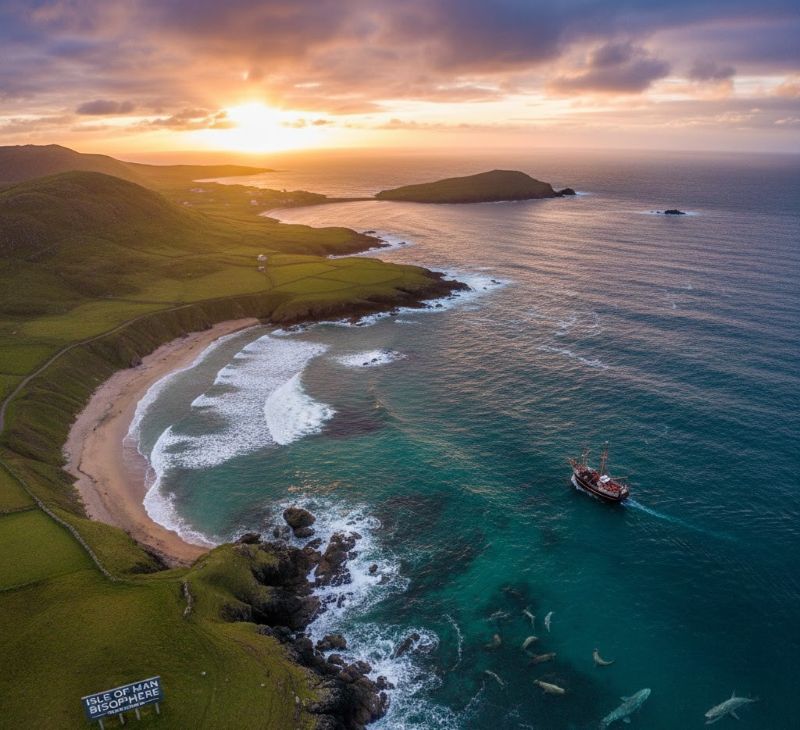
In conclusion, North Devon Joins Dyfi Biosphere, The Living Coast, Isle of Man, Wester Ross, Moor House, and Taynish National as some of the most remarkable travel destinations in the United Kingdom. Each of these biosphere reserves offers a unique opportunity to explore untouched landscapes, vibrant wildlife, and rich cultural heritage. From the rugged coastlines of North Devon to the tranquil woodlands of Wester Ross, these regions are perfect examples of how nature and communities can thrive together.
As North Devon joins Dyfi Biosphere, The Living Coast, Isle of Man, Wester Ross, Moor House, and Taynish National, it becomes clear that 2026 is the year to embrace these hidden gems. The diverse ecosystems found in these biospheres make them ideal for sustainable travel, offering something for everyone—from hikers and birdwatchers to those looking for peaceful escapes in nature.
The increasing focus on sustainable tourism means these biospheres are not just a destination—they are an invitation to be part of something much bigger. Visitors can enjoy adventurous treks, marine life explorations, and immersive cultural experiences, all while supporting conservation efforts that protect these delicate environments for generations to come.
These reserves are more than just scenic spots—they are places where nature’s beauty is intertwined with local culture and sustainability. Whether you choose to explore North Devon’s dramatic coastline, Dyfi’s wild wetlands, or Moor House’s upland ecosystems, each biosphere promises a travel experience like no other. So, make 2026 the year you discover the hidden wonders of the United Kingdom, and let these UNESCO Biosphere Reserves show you the magic of nature at its best.
