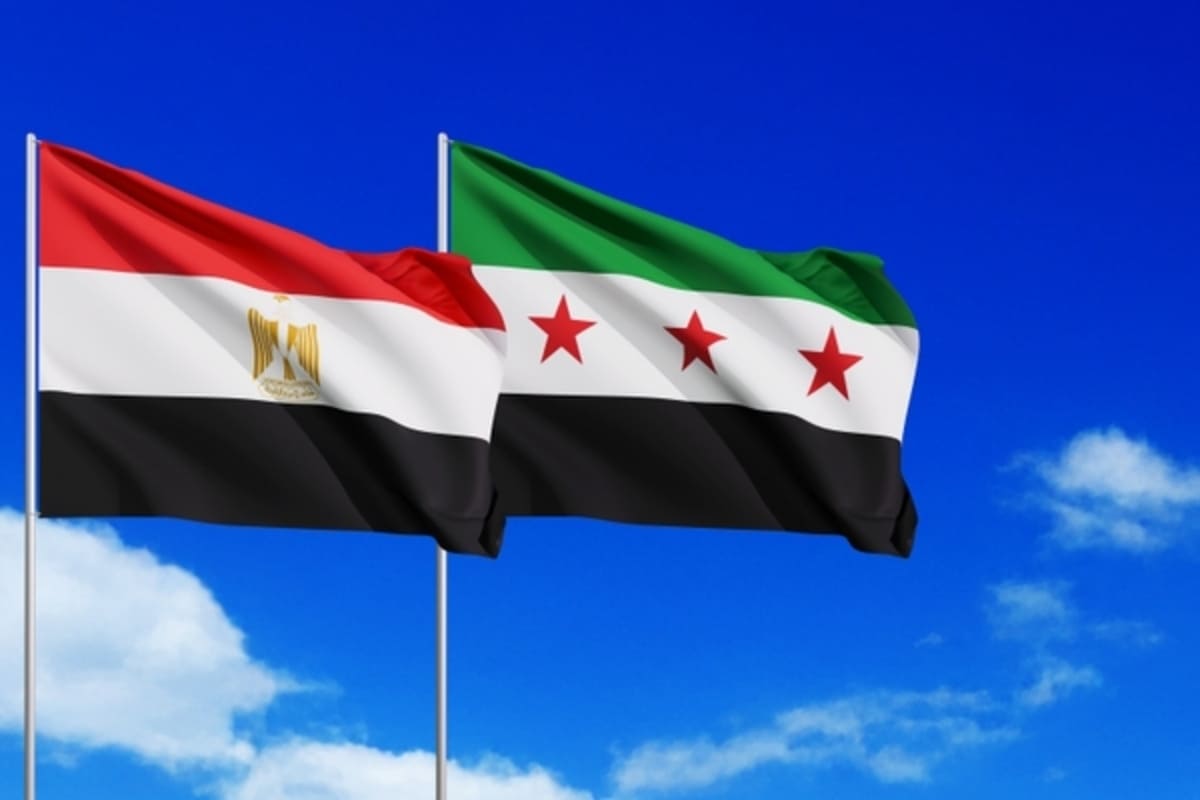
Agreements pave the way for Egypt to solidify its role as a regional energy hub
Egypt’s Ministry of Petroleum and Mineral Resources revealed that the country is set to supply natural gas and petroleum products to Syria, in accordance with two memoranda of understanding (MoUs) signed by the respective petroleum ministries.
One of the memoranda addresses the provision of natural gas to Syria for electricity production, using Egypt’s existing infrastructure such as floating regasification units and gas transmission networks.
The second memorandum focuses on Syria’s need for petroleum products. Discussions also covered potential collaboration in rehabilitating Syria’s gas and petroleum infrastructure, leveraging Egyptian technical expertise.
The ministry stated that the agreements are part of Egypt’s strategy to enhance its position as a regional energy hub. These follow recent agreements with Lebanon and Cyprus aimed at expanding gas exports and integrating regional energy networks.
Egypt has solidified its position as a key natural gas exporter in the Eastern Mediterranean since 2018, when it shifted from importer to net exporter thanks to major fields like Zohr. In 2025, Egypt exported around 4-5 billion cubic meters (bcm) of gas annually, primarily to Europe via LNG terminals in Idku and Damietta, with growing focus on regional neighbors amid global energy shifts. These MoUs with Syria align with Cairo’s “East Med Gas Forum” leadership, aiming for interconnected grids that could link Egypt, Jordan, Cyprus, Greece, and now Syria and Lebanon.
Read more: Syria signs four agreements with Saudi firms to boost oil and gas development
Syria’s energy challenges and needs
Syria’s energy sector has been devastated by over a decade of civil war, with production plummeting 90 percent since 2011. Natural gas output hovers at under 2 bcm/year, far below pre-war levels of 8-10 bcm, forcing heavy reliance on imports for its 20+ GW electricity demand. Petroleum refining capacity is crippled, with only one major refinery operational at 50 percent in Homs, leading to chronic shortages. These deals could alleviate blackouts affecting 80 percent of households and boost industrial recovery, especially as Syria seeks post-conflict reconstruction.