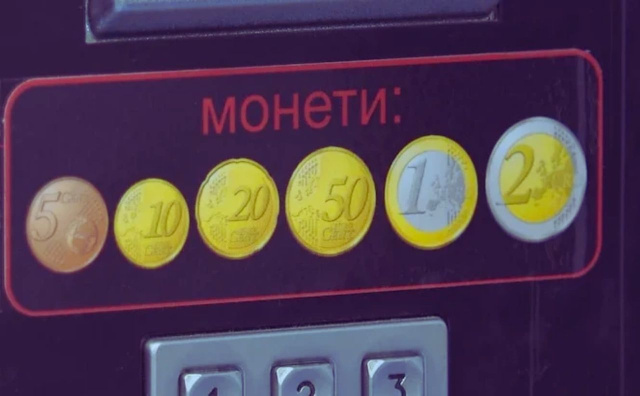
The introduction of the euro in Bulgaria has triggered reports of price glitches and unexpected charges at coffee vending machines across Sofia and other cities. Users have noticed that drinks advertised at 60 stotinki are being billed at 60 euro cents, effectively costing almost 1.20 leva.
According to Todor Kanazirev from the Bulgarian Vending Organization, the issue stems from machines being unable to distinguish between levs and euros. “The machines still need to be instructed that a coffee costing one lev should now be priced at 50 euro cents,” he explained in an interview with bTV.
The problem is linked to a mismatch between the machines’ software and the physical coin mechanisms. While cash registers now report sales to the National Revenue Agency (NRA) in euros, many vending machines still operate with lev coins but interpret them as euro cents.
Support services argue that although the machines show 60 euro cents digitally to tax authorities, in reality they are accepting levs. Nevertheless, consumer protection rules require that prices be clearly displayed and any rounding should favor customers, putting the current setup in conflict with the law.
With over 30,000 vending machines across the country, the industry faces a significant logistical challenge. Each machine needs an on-site visit for coin mechanism adjustment and software updates. Industry representatives had called for a one-month grace period before the euro rollout to allow such corrections, but no official exemption was granted.
Consumers are advised to double-check the currency displayed on vending machines before making a purchase to avoid paying roughly twice the intended price during this initial period of transition.