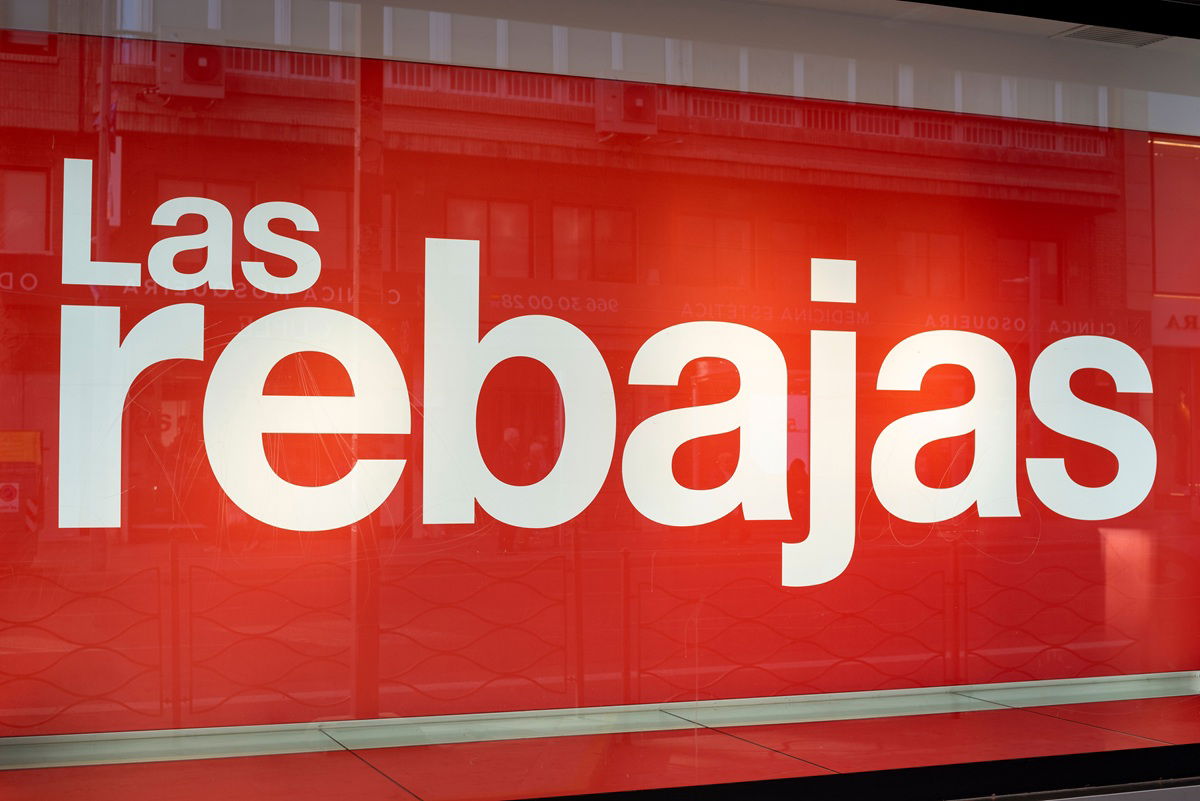
Spain’s January sales begin after Three Kings, with major discounts rolling out nationwide
Credit : Alfredo Maiquez, Shutterstock
Christmas may be over, but for many shoppers in Spain, the real countdown starts once the last Three Kings’ parade has passed. As soon as 5 and 6 January come to an end, attention shifts quickly – and almost instinctively – to the January sales, the first major shopping event of the year.
Despite the fact that sales periods have been officially liberalised since 2012, meaning retailers can technically discount whenever they like, 2026 looks very familiar. Once again, Spain’s biggest fashion and department store chains are sticking to an almost identical calendar, making it easier for shoppers to plan where – and when – to spend their money.
If you’re wondering when prices really drop, whether it’s better to shop online or in-store, and which brands move first, here’s a clear guide to how the January sales are unfolding across Spain this year.
Most Read on Euro Weekly News
After Three Kings, the sales switch on
In Spain, the first days of January are still very much about tradition. 5 and 6 January remain firmly linked to the celebrations of the Three Kings, especially for families. But behind the scenes, many retailers are already preparing their systems, stock and apps for the next big moment.
In practice, most online sales begin on the evening of 6 January, once the festivities are over. Physical shops follow the next day, on 7 January, creating a predictable rhythm that shoppers have come to rely on.
That consistency is key. It allows consumers to decide whether they want to secure sizes and colours online as soon as discounts appear, or wait and see items in person the following morning. In 2026, that nationwide pattern holds steady.
Inditex sets the pace once again
As usual, the starting gun is fired by Zara, which remains faithful to its long-established sales strategy.
Discounts go live online on 6 January in the evening – typically around 7pm on the app and 8pm on the website. In-store sales then begin on 7 January, giving online shoppers a clear advantage before the crowds return to high streets and shopping centres.
The rest of the Inditex group follows exactly the same calendar. Zara Home, Massimo Dutti, Pull&Bear, Bershka, Stradivarius, Lefties and Oysho all activate their online discounts on the evening of 6 January, with physical stores joining the sale the next day.
For experienced sale shoppers, this predictability is part of the appeal. It makes it easier to compare prices across brands, check availability and decide whether to buy immediately or hold off.
El Corte Inglés starts earlier – then rolls straight in
While fashion chains tend to stick closely to the Three Kings schedule, El Corte Inglés takes a slightly different approach.
The department store has been offering early promotions of up to 40 per cent until 5 January, easing customers into the sales period. Rather than stopping and restarting, these deals then flow directly into the official winter sales.
In 2026, online discounts at El Corte Inglés begin on 6 January from 10pm, with in-store sales starting on 7 January. The reductions cover a wide range of categories, from clothing and accessories to household goods, making it a popular option for shoppers looking to cover several needs in one place.
Early access becomes the norm
Several brands are once again rewarding loyalty with early access to discounts.
Mango is offering registered customers exclusive early deals from 5 January, ahead of its general winter sale. For everyone else, the main sale starts on 7 January, both online and in stores.
A similar strategy is being used by Sfera and H&M, which have also run private sales for registered users. In both cases, many discounted items are already visible online from 6 January, even if the official in-store start date is the following day.
Meanwhile, brands from the Tendam Group – including Springfield, Cortefiel and Women’secret – are already fully in sales mode, with discounts active both online and in physical shops. For shoppers who know exactly what they want, there’s no need to wait.
A fixed moment in Spain’s shopping calendar
Despite more than a decade of flexible sales rules, the January sales remain one of the most fixed points in Spain’s retail year. For many people, gift returns and exchanges are now directly linked to the first discounts of the year, turning unwanted presents into an excuse to shop again.
In 2026, that habit feels more entrenched than ever. With most major brands following the same schedule, shoppers know exactly when to act – whether that means refreshing an app on the evening of 6 January or heading into town early on the 7th.
The key difference now lies in strategy. Online shopping offers speed and variety, but sizes can disappear quickly. In-store shopping allows you to see items properly, but queues and limited stock remain part of the experience.
Either way, as Christmas fades into the background, the January sales once again take centre stage – not as a surprise, but as a well-rehearsed ritual that marks the true start of the shopping year in Spain.
Stay tuned with Euro Weekly News for more news from Spain