Published on
January 6, 2026
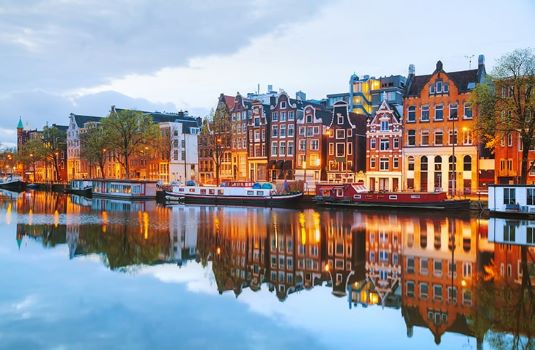
Europe’s tourism industry is entering one of its most influential phases in decades. In 2026, travel across the continent is no longer defined solely by recovery or pent-up demand; instead, it reflects strategic expansion, evolving traveler expectations, and deeper economic integration. Tourism has transformed into a cornerstone of national development strategies, contributing not only to revenue but also to employment, infrastructure modernization, cultural preservation, and international competitiveness.
Across Europe, governments and private stakeholders are aligning investments with sustainability goals, digital innovation, and experiential travel trends. International arrivals are increasing steadily, but more importantly, visitor spending is growing at a faster pace. Travelers are staying longer, seeking curated experiences, and exploring destinations beyond traditional tourist hotspots. This shift has elevated tourism from a volume-driven industry to a value-driven economic engine.
Seven European countries in particular are positioned for momentous tourism growth in 2026. Spain, France, Italy, Poland, Greece, Malta, and Finland represent a diverse cross-section of the continent, each leveraging unique strengths to capitalize on global travel demand. Together, they illustrate how the travel sector is becoming a powerful game changer in Europe’s economic and social landscape.
Spain: Reinforcing Its Position as a Global Tourism Powerhouse
Spain continues to dominate Europe’s tourism map, combining scale with adaptability. In 2026, the country is projected to reach new milestones in both visitor numbers and tourism revenue. Long known for its beaches, cultural heritage, and vibrant cities, Spain has successfully diversified its tourism portfolio to appeal to modern travelers seeking depth, authenticity, and premium experiences.
Major urban centers such as Madrid, Barcelona, Seville, and Valencia remain strong magnets, offering a mix of culture, gastronomy, nightlife, and shopping. However, Spain’s real growth momentum is increasingly visible in secondary cities and rural regions. Travelers are exploring inland provinces, wine regions, coastal villages, and historic towns that offer immersive local experiences away from overcrowded destinations.
Infrastructure investment plays a crucial role in Spain’s tourism expansion. High-speed rail connectivity, airport upgrades, and urban mobility improvements are enabling smoother travel flows and encouraging multi-destination itineraries. Tourism’s contribution to Spain’s economy extends well beyond hospitality, supporting construction, transport, retail, entertainment, and creative industries. In 2026, tourism is firmly established as a stabilizing force for Spain’s economy and a major driver of employment growth.
France: Balancing Global Appeal with Regional Diversification
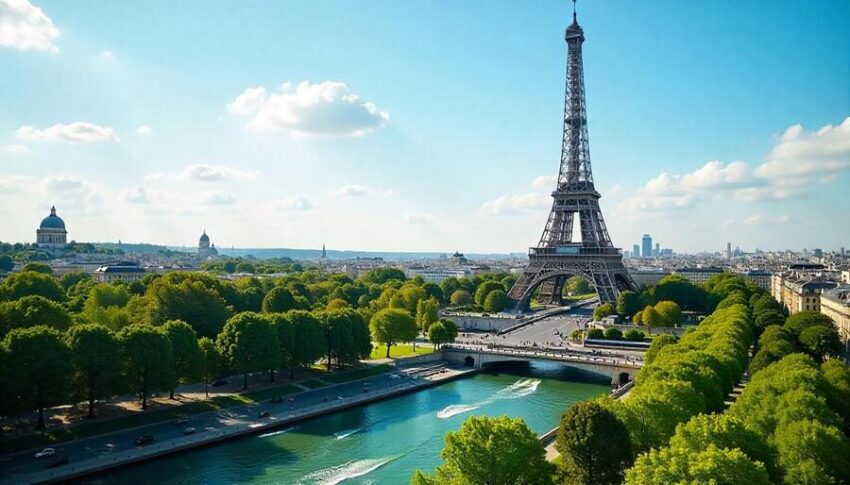
France remains one of the most influential tourism destinations in the world, and its position in 2026 reflects both continuity and evolution. While Paris continues to attract global attention as a cultural, artistic, and luxury capital, the broader tourism strategy increasingly emphasizes regional diversity and sustainable growth.
Regions such as Provence, Normandy, Brittany, the Loire Valley, and the French Alps are experiencing rising demand as travelers seek slower-paced, experience-driven journeys. Wine tourism, culinary trails, outdoor adventures, and wellness retreats are attracting high-value visitors who contribute significantly to local economies.
France’s tourism sector benefits from strong transportation networks, including rail systems that connect cities and regions efficiently. Sustainability initiatives, heritage conservation, and destination management strategies are ensuring that tourism growth does not compromise cultural or environmental integrity. In economic terms, tourism remains one of France’s largest service-sector contributors, supporting millions of jobs and reinforcing the country’s global brand as a destination of refinement, culture, and innovation.
Italy: Cultural Heritage Meets Experiential Travel Growth
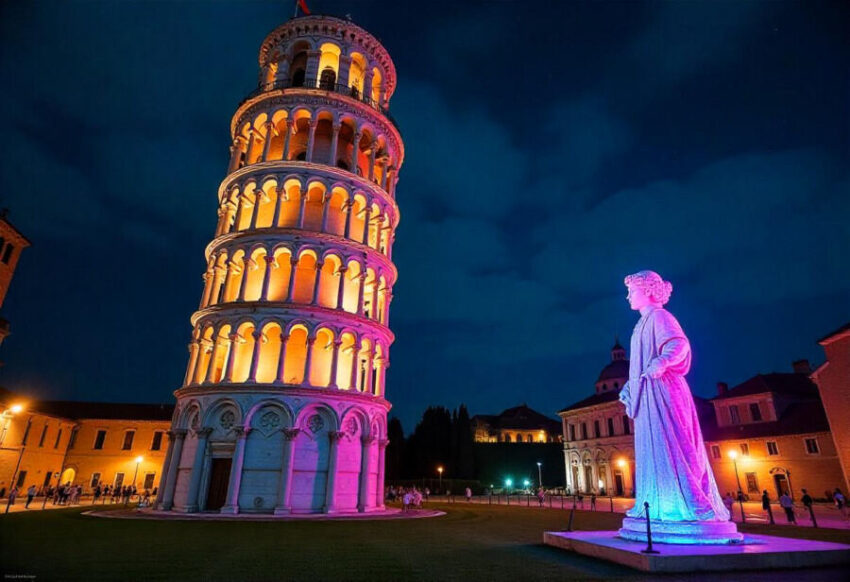
Italy’s tourism story in 2026 is defined by experiential depth and regional expansion. While iconic destinations such as Rome, Venice, Florence, and Milan continue to draw global travelers, growth is increasingly driven by lesser-known regions offering authentic cultural immersion.
Travelers are seeking experiences that go beyond sightseeing. Culinary journeys, vineyard stays, artisan workshops, guided heritage tours, and wellness retreats are shaping Italy’s tourism demand. Regions such as Puglia, Sicily, Umbria, and Calabria are emerging as attractive alternatives to traditional hotspots, benefiting from improved accessibility and targeted promotion.
Italy’s emphasis on experiential tourism encourages longer stays and higher visitor spending, amplifying economic benefits for local communities. Tourism supports a wide ecosystem of small businesses, from family-run accommodations to regional food producers and cultural enterprises. In 2026, Italy demonstrates how heritage preservation and innovation can coexist, positioning tourism as a sustainable and inclusive growth engine.
Poland: A Rising Star in Central and Eastern European Tourism
Poland is one of Europe’s most compelling tourism success stories in 2026. Once considered an emerging destination, it is now firmly establishing itself as a competitive player in cultural, luxury, and experiential travel markets. Cities such as Warsaw, Kraków, Gdańsk, and Wrocław are attracting international visitors with their blend of history, modernity, and vibrant urban culture.
Beyond city tourism, Poland’s natural landscapes are gaining recognition. Mountain regions, lakes, forests, and wellness resorts are appealing to travelers seeking outdoor adventure and relaxation. Infrastructure development, including upgraded airports, hotels, and transport networks, has significantly improved accessibility and visitor experience.
Tourism in Poland is increasingly seen as a strategic economic pillar. It supports urban regeneration, boosts small and medium-sized enterprises, and enhances the country’s international visibility. In 2026, Poland exemplifies how targeted investment and destination branding can accelerate tourism growth and economic diversification.
Greece: Sustaining Growth Through Experience and Connectivity

Greece continues to be one of Europe’s most dynamic tourism markets, with 2026 marking another year of strong performance. The country’s appeal extends far beyond its iconic islands, as cultural heritage, gastronomy, wellness tourism, and experiential travel gain prominence.
While destinations such as Santorini, Mykonos, and Crete remain popular, travelers are increasingly exploring mainland regions, smaller islands, and lesser-known coastal towns. Improved air connectivity and extended travel seasons are helping Greece reduce its reliance on peak summer tourism, fostering more balanced growth.
Tourism plays a central role in Greece’s economy, contributing significantly to GDP and employment. Investments in high-quality accommodations, ports, airports, and tourism services are strengthening the country’s competitive position. In 2026, Greece demonstrates how experience-driven tourism and strategic connectivity can sustain long-term growth while supporting local communities.
Malta: Small Nation, Big Tourism Impact
Malta’s tourism success in 2026 highlights how smaller destinations can achieve outsized impact through strategic positioning. The island nation has experienced rapid growth in visitor arrivals and tourism revenue by focusing on quality, niche experiences, and cultural authenticity.
Historic sites, cultural festivals, diving experiences, and culinary tourism are central to Malta’s appeal. Boutique accommodations, curated tours, and experiential travel offerings attract visitors seeking personalized and meaningful journeys. Malta’s compact size allows for efficient destination management, ensuring high service standards and memorable visitor experiences.
Tourism is a cornerstone of Malta’s economy, supporting employment across hospitality, transport, entertainment, and retail sectors. In 2026, Malta’s approach underscores the importance of differentiation, sustainability, and value-driven tourism in achieving long-term success.
Finland: Nature, Wellness, and Sustainable Tourism Growth
Finland represents the growing demand for nature-based and wellness-focused tourism in Europe. In 2026, the country is experiencing rising international interest driven by its pristine landscapes, sustainable tourism practices, and unique seasonal experiences.
Travelers are drawn to Finland’s forests, lakes, Arctic regions, and design-forward cities. Experiences such as Northern Lights viewing, wildlife encounters, sauna culture, and eco-lodges align with global preferences for authenticity and environmental responsibility. Finland’s emphasis on sustainable tourism ensures that growth benefits both visitors and local communities.
Tourism supports regional development in Finland, particularly in rural and northern areas. By promoting year-round travel and diverse experiences, Finland is positioning tourism as a long-term economic and social asset rather than a seasonal industry.
How Tourism Is Becoming a Game Changer Across Europe
Tourism’s expanding role across Europe in 2026 reflects several transformative trends. First, the sector is a major driver of employment, supporting millions of jobs directly and indirectly. From hospitality and transport to creative industries and digital services, tourism’s economic ripple effect is substantial.
Second, visitor spending is increasing faster than arrival numbers, indicating a shift toward higher-value tourism. Experiences, luxury offerings, wellness travel, and cultural immersion are driving revenue growth and encouraging destinations to focus on quality rather than volume.
Third, sustainability and innovation are reshaping tourism strategies. Digital tools, data-driven marketing, eco-friendly infrastructure, and community-focused initiatives are becoming standard across destinations. These approaches enhance resilience and ensure long-term competitiveness.
Finally, tourism is strengthening Europe’s global influence by fostering cultural exchange and international connectivity. Destinations are leveraging tourism to showcase heritage, creativity, and lifestyle, reinforcing soft power and global engagement.
Conclusion: Tourism as Europe’s Strategic Growth Engine
In 2026, tourism stands at the heart of Europe’s economic and cultural evolution. Spain, France, Italy, Poland, Greece, Malta, and Finland illustrate how diverse destinations can harness travel demand to drive prosperity, innovation, and social development. Tourism is no longer just a leisure industry; it is a strategic growth engine shaping national economies and regional identities.
As travelers explore Europe this year, they participate in an ecosystem that extends far beyond vacations and experiences. Tourism supports jobs, revitalizes communities, preserves heritage, and fosters global understanding. The momentum seen across these seven countries signals a future where tourism continues to redefine Europe’s economic landscape.
The message for policymakers, businesses, and travelers is clear: when managed strategically and sustainably, tourism becomes a game changer—one that delivers long-term value, resilience, and opportunity for generations to come.
