The death of diversity has been greatly exaggerated.
In popular culture, in consumer behavior and in workplaces and organizations, people in the US and elsewhere see the value of vibrant communities and diverse experiences. Indeed, public opinion polling suggests that support for “diversity, equity and inclusion” actually went up in 2025 – aided, ironically, by the ferocious backlash unleashed by the Trump administration.
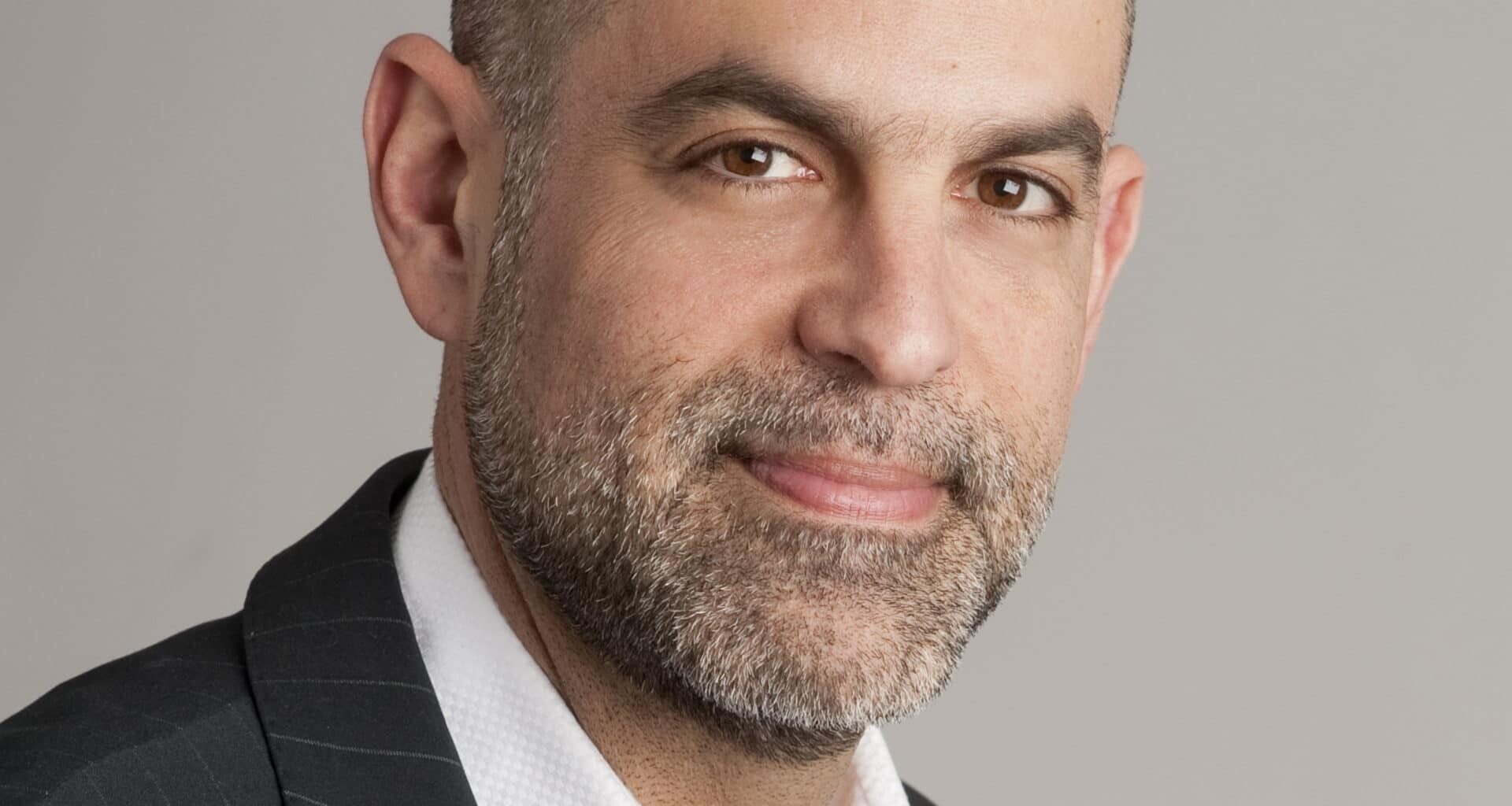
Robert Raben, a longtime advocate and strategy consultant, has the numbers to prove it.
“Support for DEI has gone up 40% because it’s now branded, and the people who understand what they were attacking, who supported it all along, now know what they’re supporting,” Raben, founder of said on the latest episode of ImpactAlpha’s Agents of Impact podcast.
Get the podcast in your feed by subscribing on Apple, Spotify, or YouTube
As for the opponents, he says, “You sort of have to ask, why do they fight so hard? And they fight so hard because it’s working.”
Raben, a lawyer who has served as a staffer both on Capitol Hill and the Justice Department, formed the Raben Group in 2001. With allies, Raben has stood up NxtLevel to share polling data, research and messaging points “for your organizations, for leaders, about how people hear diversity, how people want to talk about it, how you pivot when people attack you for being a DEI person, and move on to what people want to hear.”
Raben contrasted the approaches of two major retailers, Costco and Target. Costco last year affirmed its support for diversity among its employees and suppliers and reported 8% gains in both sales and profits for the year ended Aug. 31.
Target, which retreated from some of its public diversity commitments soon after President Trump took office, reported a sales decline. Target CEO Brian Cornell last year acknowledged in a call with analysts that the backlash to the retrenchment, including a boycott, hurt sales.
“That was the first piece of data we had in the modern era of a corporate leader conceding that curtailing diversity hurt the bottom line,” Raben said. “With Target, we were able to say, ‘Okay, folks, you’re now seeing what you know that diversity affects positively the bottom line.’”
Picking fights
Ever the strategist, Raben segments companies and other actors into three categories. In the “coalition of the willing” are companies like Costco, Pepsi, American Airlines and others “that know that diversity is their bread and butter. It’s who they are,” he says.
A second category, “hell no,” includes employers who have never committed to, nor practiced diversity. Most leaders are in what Raben calls the “mushy middle,” who understand the value of diversity but are held back by lawyers and others who warn them of the risks of speaking up.
“For the ‘hell nos,’ you pick a fight with them,” Raben says. “You draw attention to the fact that, ‘Gee, it’s really chutzpah for this all-male organization to complain about DEI.” The goal, he says, “is to put pressure on the mushy middle, so that their lawyers see that you’re going to get pressure from the pro-diversity side, just like you are from the anti-diversity side.”
Raben has taken aim at the financial asset-management industry, and in particular the selection of fund managers by major asset allocators. Raben founded the Diverse Asset Managers Initiative to increase the slice of assets managed by diverse-owned firms, which has been stubbornly stuck at about 1.3% for years. Raben is taking aim at both allocators and managers that are all-male or all-white.
“We’re going to push in the courts what it means to seemingly have a government that says it’s okay to curate by whiteness, but not by blackness,” he says.
First, DAMI is trying to get the numbers. The initiative has pressed public pension funds and universities to report statistics on the diversity of the fund management firms they select. The states of New York, Illinois and many of the California funds, along with cities like Dallas, have provided detailed reports. Raben is “picking fights” with New Mexico, Nevada and the District of Columbia – hardly bastions of conservatism – which he says have resisted requests to provide the information.
“If you’re not working with the vast number of women or people of color in asset management, you’re missing out on performance, you’re missing out on strategies, you’re missing out on investments,” he says.
The costs of such bias hurt not just diverse fund managers, he says, but pension beneficiaries and society broadly.
“If I can’t see all the talent in front of me, it means two things. It means I’m overestimating the talent that I do work with. I’m working with a lot of mediocre people, and I’m enabling and I’m justifying mediocre performance because I don’t think I have an alternative,” he says.
“And you’re missing out on potentially very, very good returns from people because you can’t see their talent.”