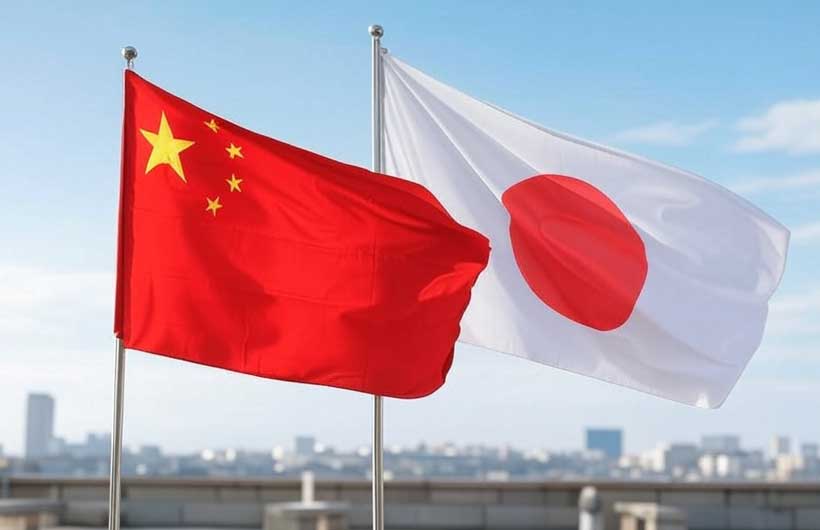
China has banned exports of dual-use items goods, software, and technologies that can serve both civilian and military purposes to Japan. The move follows remarks by Japanese Prime Minister Sanae Takaichi that a Chinese attack on Taiwan could be treated as an existential threat to Japan. Beijing condemned the comments as “provocative,” framing the export ban as a defensive measure.
What the Ban Covers
Dual-use items include materials essential for military technology, such as certain rare earth elements used in drones and semiconductor chips. China’s commerce ministry stated that exports to military users or for purposes that could strengthen Japan’s military are prohibited. Violations by any organization or individual could result in legal consequences.
Regional Context
The announcement comes amid growing tensions over Taiwan, which China claims as its territory while Taipei maintains de facto independence. Japan recently approved a record military budget, increasing spending to 9 trillion yen ($57.7 billion) and expanding its defence capabilities. Beijing has criticized Japan for shifting its security policy, building offensive weapons, and relaxing arms export restrictions in recent years.
Historical Precedent
China has previously restricted rare earth exports to Japan during past diplomatic disputes, using the strategy as leverage in geopolitical conflicts. Despite the current ban, recent Chinese customs data show no immediate decline in rare earth exports, with November 2025 shipments growing 35% year-on-year.
Implications
The ban signals a sharp escalation in China-Japan tensions and highlights the strategic role of rare earths and dual-use technologies in regional security. Japan may face constraints in accessing materials critical for defense manufacturing, while the move underscores Beijing’s willingness to use economic measures to influence geopolitical behavior.
With information from Reuters.