Published on
January 6, 2026
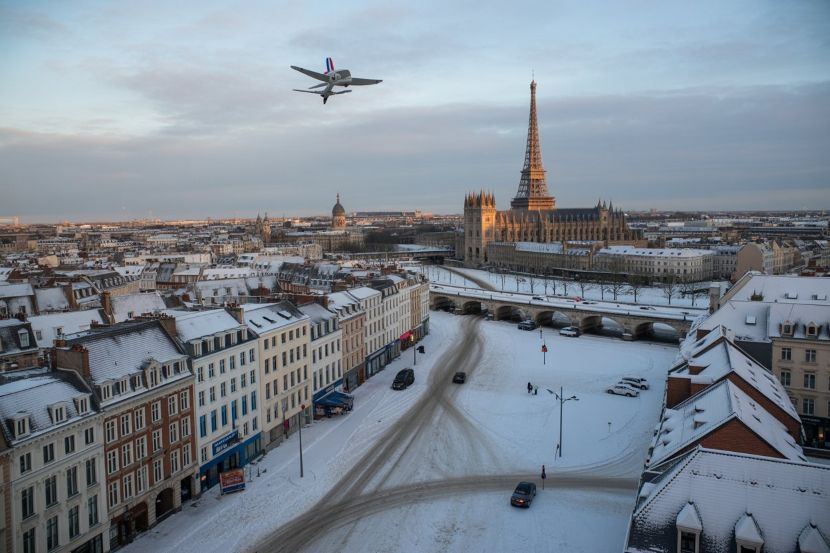
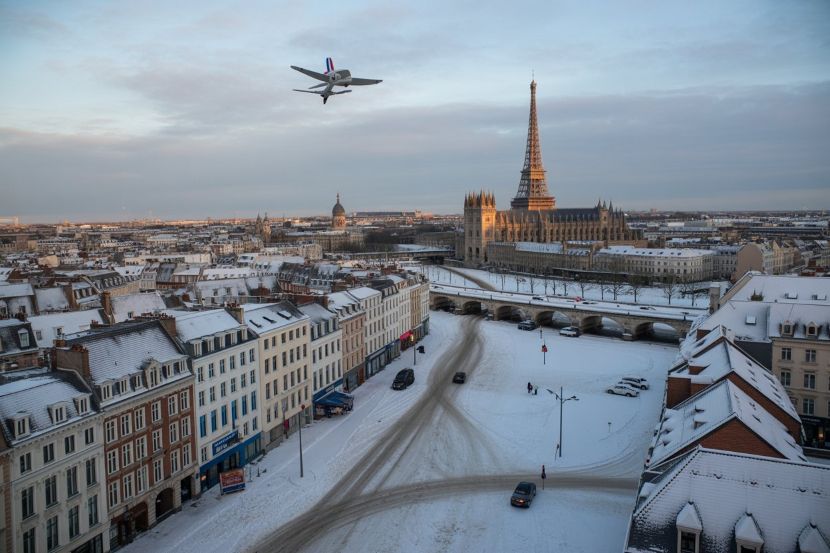
As Europe battles one of the harshest winter outbreaks in years, France, the United Kingdom and the Netherlands are facing a severe snow and ice emergency that has led to deadly road crashes, hundreds of cancelled flights and widespread transport chaos. Families returning to work and students heading back after the holidays have been met with treacherous conditions that have transformed familiar cities into landscapes of icy hazard and delay.
Across France, at least five people have died in weather‑related traffic accidents as snow and ice made roads nearly impassable, prompting emergency warnings from local authorities. Travellers hoping to take flights from major hubs such as Paris’s Charles de Gaulle and Orly airports faced cancellations and delays as snowfall overwhelmed runways. In the Netherlands, Amsterdam Schiphol — one of Europe’s busiest airports — reported extensive flight disruptions, with many travellers left stranded or forced to rebook journeys.
Parts of the UK also feel the grip of bitter winter. Temperatures plunged well below freezing, prompting school closures and disrupting rail and road networks. The Met Office has issued ongoing weather warnings for snow and ice, urging residents to take precautions and these conditions are expected to persist.
Fatal Road Accidents Spread Through France’s Snowy Highways
France witnessed some of the deadliest impacts of this winter event. In the Landes region and around Paris, icy roads led to multiple fatal crashes as cars struggled for traction and visibility declined. Emergency services reported that conditions rapidly deteriorated during Monday and Tuesday, forcing traffic bans for heavy vehicles on key routes.
Officials in Paris described scenes of gridlocked highways and extended tailbacks as commuters tried to navigate slippery streets. Weather warnings from Météo‑France, the country’s official meteorological service, were in place for large parts of the north and northwest regions, signalling continued risks of snow and freezing conditions.
Air Travel Disruption Peaks at Major European Hubs
Amsterdam’s Schiphol Airport has been a focal point of travel chaos. Snow and ice have crippled ground operations, leading to extensive flight cancellations and severe delays. Many passengers have spent hours waiting for updates on rescheduled departures as de‑icing operations struggle to keep pace.
Meanwhile, Paris’s main airports also scaled back operations as heavy snowfall blanketed runways. Airlines reported a sharp drop in flight schedules as crews worked to clear snow and re‑route aircraft where possible. Many travellers were advised to stay away from airports unless their flight status had been confirmed.
Across the UK, almost 200 flights were either cancelled or delayed at airports including London Heathrow, with snow‑covered runways and icy conditions disrupting departure and arrival schedules.
Rail and Public Transport Struggles Under Frigid Conditions
The Netherlands experienced extensive rail disruption after a combination of freezing weather and a technical outage halted much of the domestic rail network. Services around Amsterdam and the wider region were suspended or delayed, leaving commuters seeking alternative transport.
In the UK, heavy snow prompted the suspension of the Glasgow Subway when frozen tracks caused power failures. National Rail reported interruptions across several lines, and passengers were advised to check services before travel.
Eurostar services between London and mainland Europe were also disrupted due to conditions affecting rail infrastructure, with many trains cancelled or delayed.
Cold Snap Brings School Closures and Community Challenges
With temperatures plunging to around -12.5°C in parts of the UK, schools across northern regions were closed for safety reasons. Similar closures took place in France and the Netherlands where authorities warned parents to keep children at home in areas most affected by snow and ice.
Local transport services also issued guidance that only essential journeys should be undertaken, stressing that black ice and hidden patches of solid ice can pose significant slip and crash hazards for pedestrians and drivers alike.
Safety Alerts and Government Warnings Across Europe
National weather agencies including Météo‑France and the UK Met Office have reinforced travel warnings. These official platforms advise residents and travellers to monitor ongoing updates, equip vehicles for winter conditions and avoid routes flagged as high risk. MeteoAlarm, a European weather warning system that aggregates alerts across national services, has highlighted alerts for snow and ice across multiple countries.
The UK Met Office’s official website continues to list snow and ice warnings for parts of England, Scotland and Northern Ireland, signifying that freezing conditions and poor visibility remain expected well into the week.
Economic and Social Ripples From Europe’s Winter Turmoil
The disruption has extended beyond travel. Retail and service sectors are reporting reduced footfall as consumers stay home, and emergency services are stretched responding to weather‑related incidents. Roadside assistance callouts surged as drivers encountered stranded vehicles and hazardous stretches of frozen road.
Communities dependent on tourism have also seen cancellations and postponements, although some winter sport destinations in the north of Italy and the Alps reported increased snow conditions that attract skiers, providing a mixed economic picture.
Human Stories Highlight the Harsh Reality
Amid the chaos, personal accounts have painted a vivid picture of frustration and resilience. Travelers stuck at airports and train stations shared stories of extended waits and disrupted plans. Residents in rural and urban communities alike described the difficulty of simple tasks like grocery runs and school drop‑offs as the cold snap deepened.
These experiences underscore the human cost of extreme weather events and the necessity for preparedness and responsive infrastructure as climate patterns yield unpredictable conditions.
Europe Faces Continued Winter Tests Ahead
As forecasts predict further snow and sub‑zero temperatures, officials emphasise that the crisis is not yet over. Updated warnings from national weather services and rail and air travel advisories continue to urge caution. Longer‑term planning around snow removal, transport resilience and public safety communications will be crucial as Europe navigates this severe winter outbreak.
In the coming days, residents and travellers across France, the UK and the Netherlands can expect continued disruption and are advised to stay informed through official government and meteorological sources to ensure safety.
