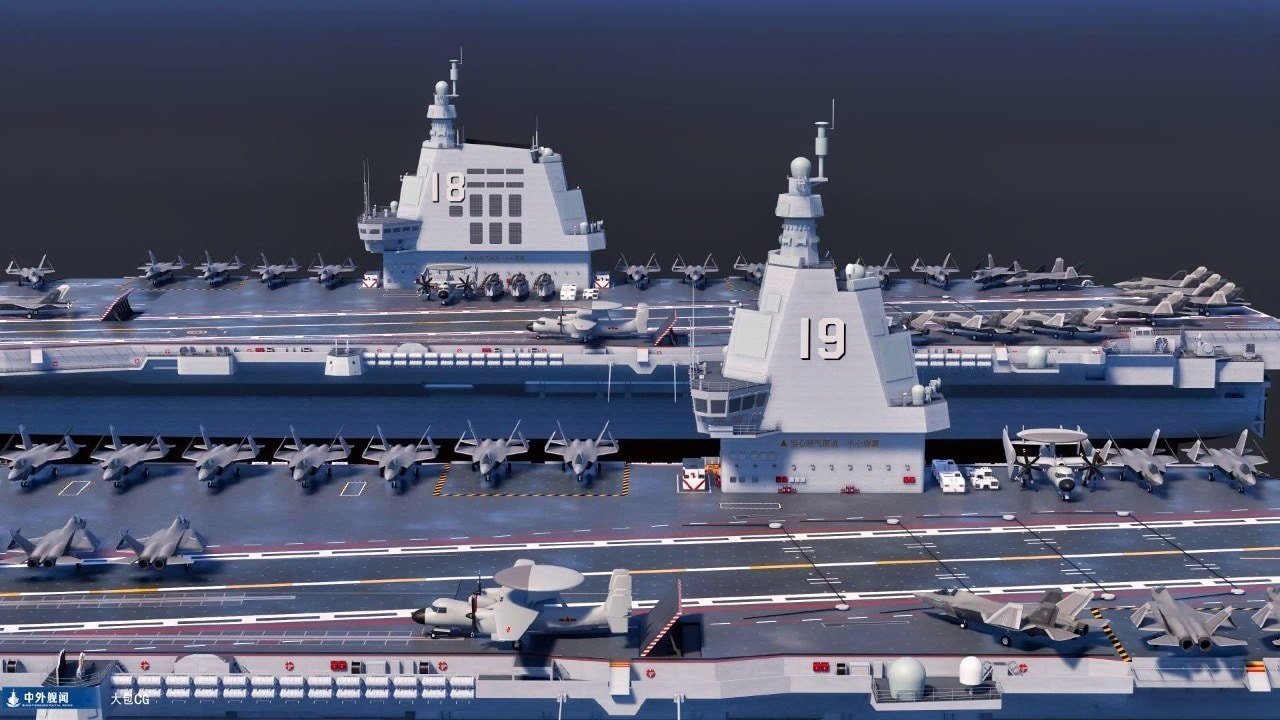
Key Points and Summary – The Maduro raid highlights a modern “decapitation strike” model: deep ISR, rapid targeting, and precision hits meant to blind defenses and enable a short-duration capture mission without a major invasion.
-The concept draws from effects-based warfare and Warden’s “strategic rings,” aiming to disable an adversary’s ability to function while limiting broader destruction.
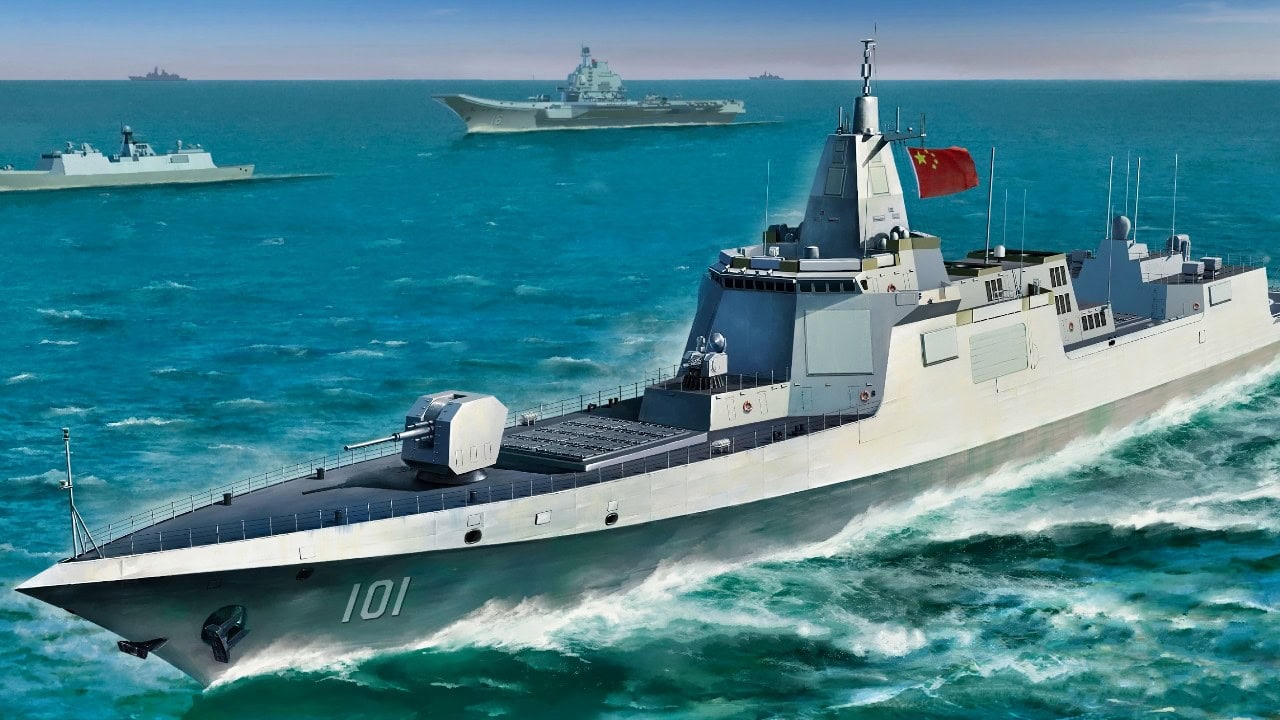
Chinese Navy Warship Created by Artist. Image Credit: Creative Commons.

China Type 076 Assault Ship. Image Credit: Chinese State Media.
-Could China do the same to Taiwan?
-The Venezuela parallel breaks down fast: Taiwan’s air defenses are far more robust, inserting an abduction force would be exceptionally difficult, and Taiwan’s democratic system disperses authority—meaning removing leaders wouldn’t paralyze the state the way it can in a dictatorship.
Venezuela Isn’t Taiwan: Why a PRC Decapitation Strike Would Likely Fail
The successful “decapitation strike” to arrest Venezuelan leader Nicolás Maduro included successful surveillance, tracking, and intelligence, followed by a series of well-planned, kinetic precision hits on select targets within Venezuela.
These targets included air defenses, command and control, military installations, and power sources to “blind” any opposition.
This successful planning, targeting, and execution enabled US Army Delta Force commandos to capture and remove Maduro with little to no unwanted damage to infrastructure, civilians, and the surrounding area.
“Decapitation Strike”
In effect, the operation appears intended to neutralize or “stop” Venezuela’s narco-terrorist leadership without having to conduct a large-scale combat operation.
The Venezuelan military was not widely attacked, US forces were not used to seize and “hold” territory, and there was no major linear mechanized or amphibious assault of any kind.
Can this kind of “decapitation strike” achieve strategic, tactical, and political aims without risking a broader war?
The answer in the case of Maduro, at least thus far, appears to be a possible “yes.”
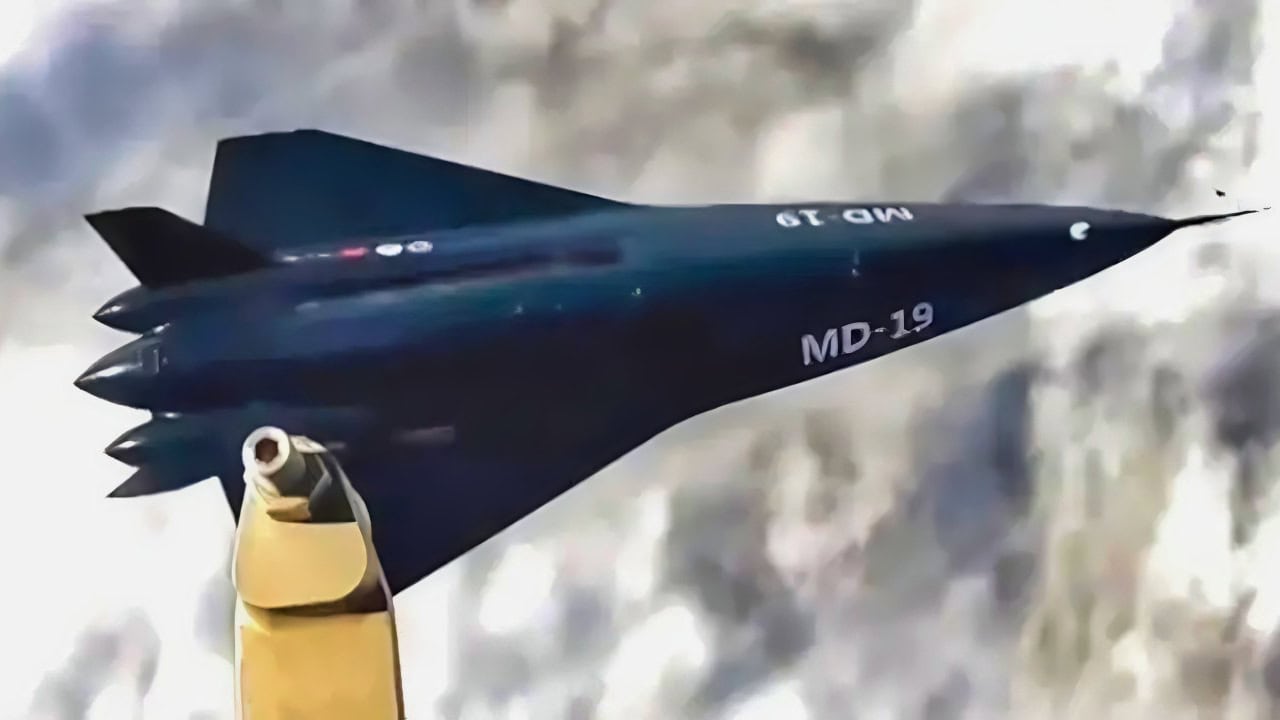
MD-19 Drone from China. Image Credit: Creative Commons.
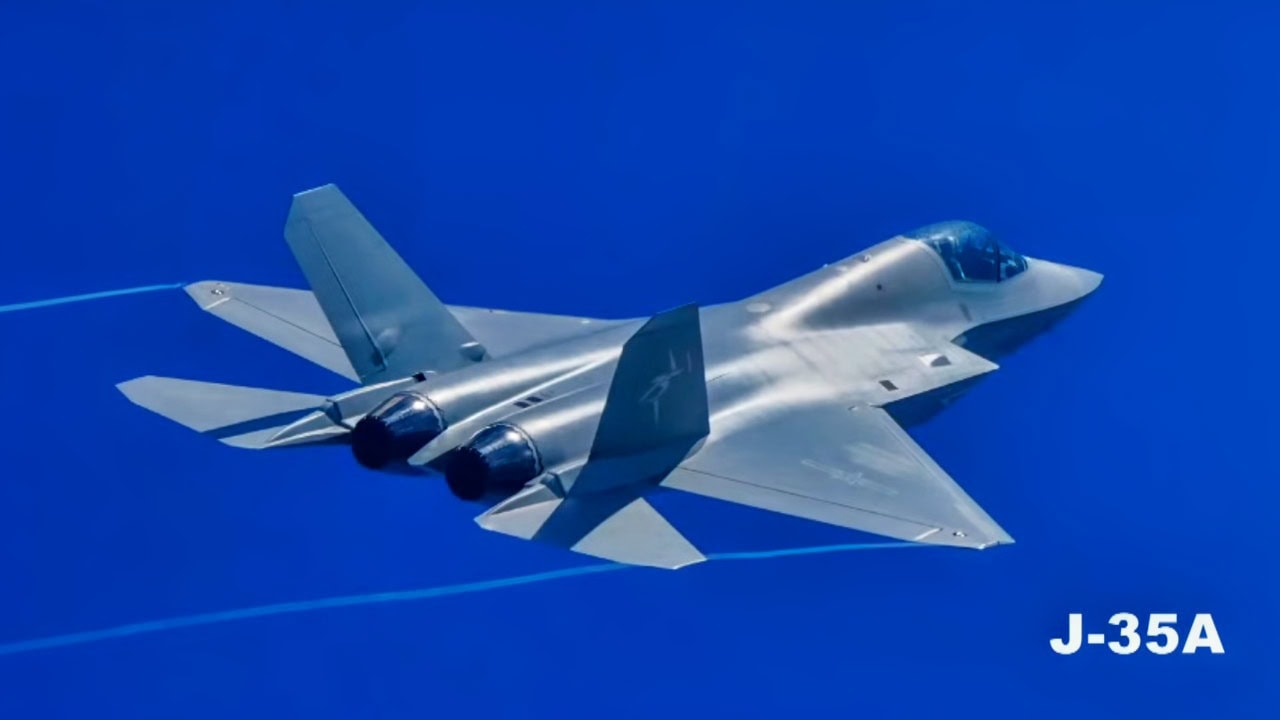
J-35 flying at Zhuhai Airshow 2024.
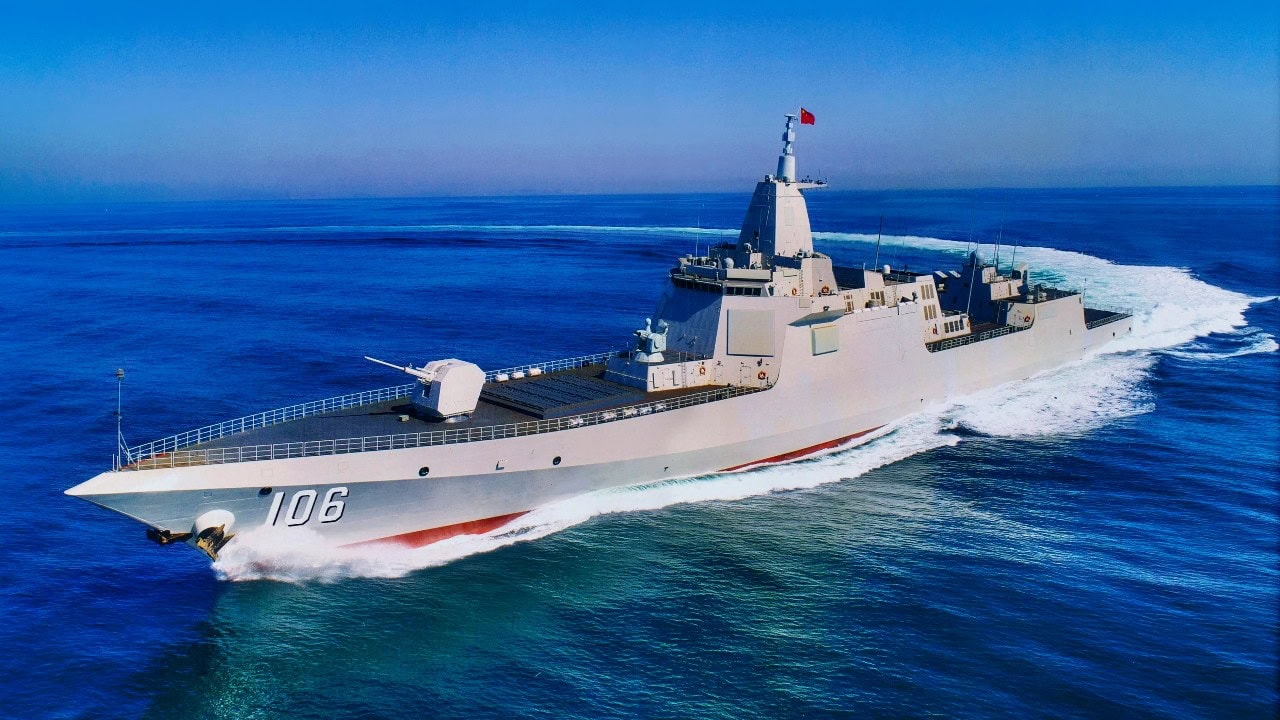
Type 055 Destroyer from China. Chinese Navy Handout/State Media.
Interestingly, the concept of a “decapitation” strike has its origins in US Air Force philosophical and conceptual explorations of what’s known as “effects-based warfare.” Emerging just before the Gulf War in the early 1990s, the idea is to create a desired battlefield outcome or “effect” without destroying the infrastructure of the attacked area. It is based on the theory of “strategic rings,” with each ring representing a key element of an enemy’s operational capacity.
Fielded forces, supply lines, command and control, and leadership targets are placed in specific rings in a progressive, incremental fashion. The operational intent is to render an enemy unable to fight without causing massive or widespread destruction.
This approach, largely credited to air power theorist John Warden in the 1980s, was used with great success in the Gulf War and in Operation Iraqi Freedom.
The Maduro operation in Venezuela seems to fit within this broader paradigm of air power theory embraced by the US Air Force in recent decades. By extension, the success of the operation does seem to raise pertinent, if not pressing, questions regarding the prospect of a Chinese invasion of Taiwan.
Could the PRC seek to exploit the current focus on South America to suddenly attack, annex, or simply “take” Taiwan?
More specifically, could the PLA effect a similar decapitation strike wherein Taiwan’s leadership could be removed in a military operation designed to give China control of the island without having to “land” an occupying force or decimate large portions of Taiwan?
Could China ‘Maduro’ Taiwan?
Venezuela is not Taiwan
While such a prospect may seem to offer parallels with Taiwan and therefore potentially inspire a similar Chinese action, the differences in the tactical, military, and political circumstances between Venezuela and Taiwan make the possibility extremely unlikely, if not simply unrealistic.
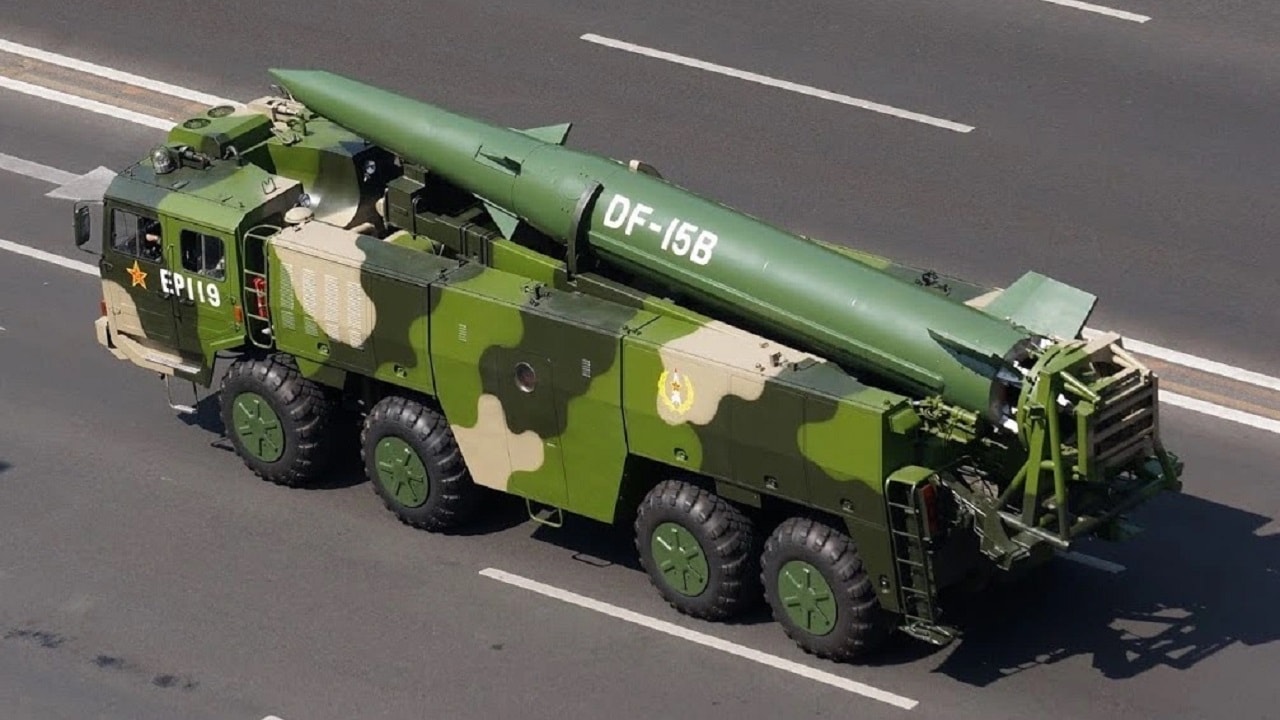
DF-15B missile from China
From a simple military standpoint, Taiwan operates a much more extensive and elaborate network of air defenses than Venezuela’s small number of Russian-built air defenses, which appear to have been destroyed quickly by US forces.
Therefore, an ability to succeed in entering Taiwanese airspace with fixed and rotary wing assets able to establish air superiority at low altitudes would likely be extremely difficult for a Chinese “decapitation” force. Certainly, China has adequate, if not exemplary, ISR over Taiwan and could likely identify targets with little difficulty.
An ability to exact precision strikes and quickly “land” a rapid abduction force would likely be significantly challenged in the best of circumstances.
Also, perhaps of greater significance, there is the question of “effect” or military “objective.” Capturing a dictator such as Maduro renders the entire government ineffective or arguably inoperable, given the scope of his power.
By contrast, any successful operation to abduct or remove Taiwanese leaders would not cripple Taiwan’s democracy, so the “outcome” or “result” of a successful decapitation strike of Taiwan would not parallel Venezuela in any way, as the country is quite likely to continue operating with some measure of success in the event its leadership is captured.
This is due to the simple reality that Taiwan is a democracy in which political power is more broadly dispersed among executives, leaders, and lawmakers.
A decapitation strike, therefore, is much more effective against a dictatorship or authoritarian regime in which a country is run by a small, concentrated leadership wielding broad powers.
About the Author: Military Expert Kris Osborn
Kris Osborn is the President of Warrior Maven – Center for Military Modernization. Osborn previously served at the Pentagon as a highly qualified expert in the Office of the Assistant Secretary of the Army—Acquisition, Logistics & Technology. Osborn has also worked as an anchor and on-air military specialist at national TV networks. He has appeared as a guest military expert on Fox News, MSNBC, The Military Channel, and The History Channel. He also has a Masters Degree in Comparative Literature from Columbia University.