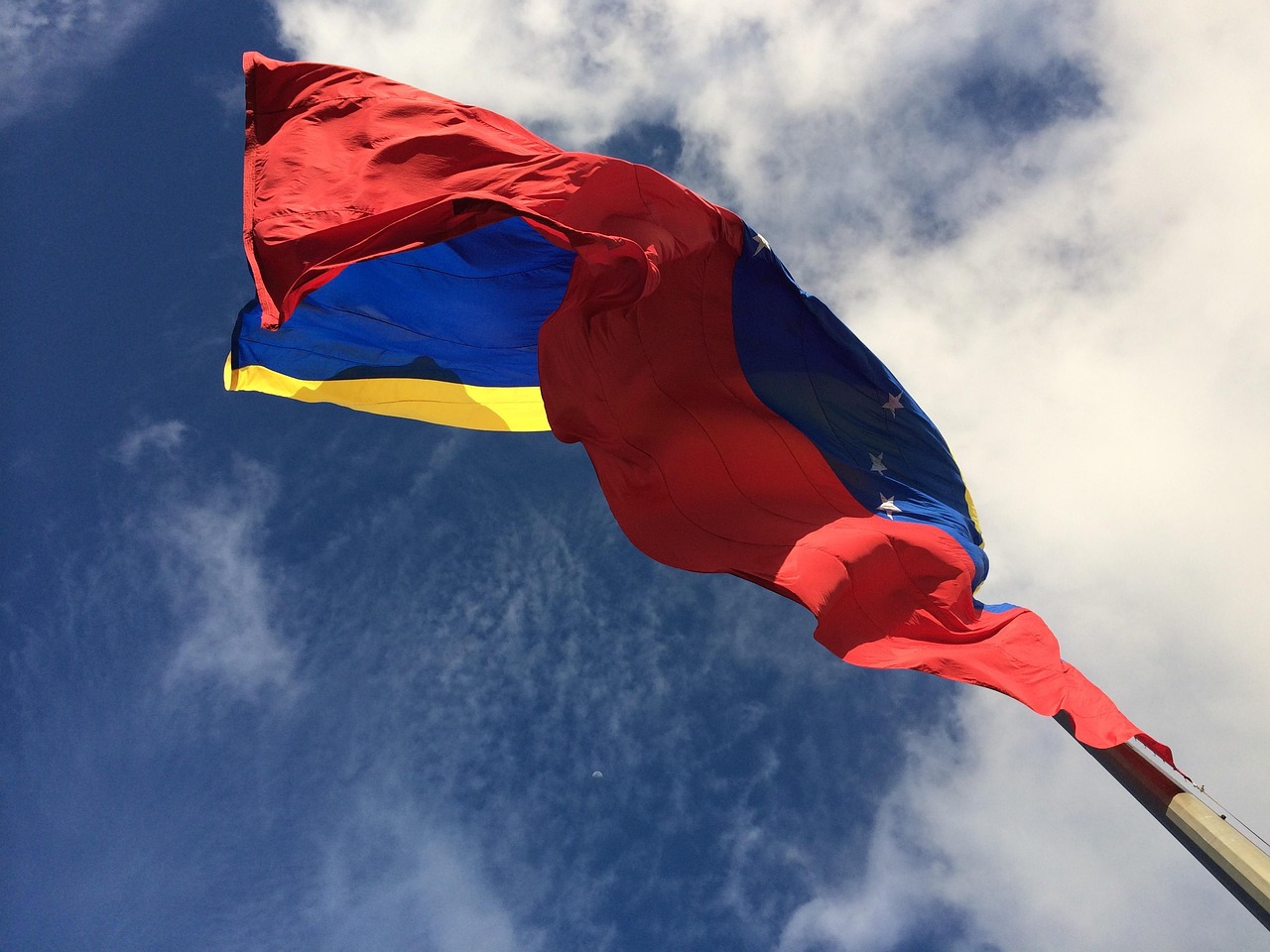
 North Korea’s response to the January 3 US military operation in Venezuela and capture of President Nicolas Maduro—one of Pyongyang’s few official foreign policy statements since mid-November—was quickly issued but unusually vague on US actions, reflecting the sensitivity of the situation. Yet, Pyongyang’s criticism of the United States was tougher than its response to the June 2025 US bombings of Iranian nuclear sites—representing another recent limited US military operation against an anti-US country. This development, now likely an additional data point for Kim Jong Un’s foreign policy calculations, seems to take on added significance when considering North Korea’s self-perception as a greater global player and its consistent pledge to build a new world order with Russia.
Quick Response, Unusually Vague on US Actions
The January 4 Foreign Ministry “spokesperson’s answer [taebyonin taedap; 대변인대답]” to the Korean Central News Agency (KCNA)—a standard format for commenting on major international developments—was issued one day after the operation. This is relatively quick by North Korean standards for international issues. The late-evening release (Pyongyang time) reinforces the issue’s sensitivity.[1] North Korean media have covered rising US-Venezuela tensions regularly since early August 2025 and almost daily since mid-December in both domestically- and externally-oriented outlets. Yet, as of January 6, this Foreign Ministry pronouncement appears to have been released only to external audiences. Major domestic newspapers did not publish it or report on the recent events in Venezuela, suggesting the regime deems the information too sensitive for domestic consumption.
In this case, the statement’s significance lies as much in what it did not say as in what it did say. Remarkably, this relatively brief statement offered no details about US actions.[2] It simply referenced “the present Venezuelan situation” without elaboration, even avoiding general terms like “strikes,” “attack,” or “raid” used by international media. Notably, Pyongyang’s statement was more low-key than Russia’s characterization of “act of armed aggression” and China’s reference to the “U.S. forcibly seizing” Maduro and his wife. By comparison, the Foreign Ministry “spokesperson’s answer” to KCNA on the US bombings of Iranian nuclear sites described them as a “U.S. military strike against Iran’s nuclear facilities” and an “attack on Iran.” This highly unusual vagueness in connection with a US military operation may reflect North Korea hedging until the situation clarifies, or continuing its trend since mid-November of limiting commentary on major foreign policy issues ahead of the Ninth Party Congress, where it will outline foreign policy for the next five years.
Stronger Criticism of the US
Despite the lack of details on the US raid, North Korea stepped up its criticism of the United States in the Foreign Ministry statement—a notable development given Pyongyang has remained largely silent on the United States in recent weeks. It called the Venezuelan operation evidence of “the rogue and brutal nature of the U.S.” and “strongly denounces[d]” it “as the most serious form of encroachment on sovereignty and as a wanton violation of the UN Charter and international laws.”
While this language is typical of Pyongyang’s past denunciations of Washington—though not as harsh as it could have been—it was stronger and more emotional than North Korea’s response to the June 2025 US bombings of Iranian nuclear sites.[3] The Venezuela statement’s phrases like “the rogue and brutal nature of the U.S.,” “the U.S. high-handed act,” and “the U.S. hegemony-seeking act” contrast with the June statement’s more measured critique, which “strongly denounces the attack on Iran by the U.S., which severely violated the UN Charter … by violently trampling down the territorial integrity and security interests of a sovereign state.”
Looking Ahead
The Foreign Ministry has already stated that the Venezuelan situation has “caused a catastrophic consequence to fixing the structure of regional and international relations” and that it was “paying attention to the gravity” of the situation. The reference to “international relations,” while not new, is worth noting, given North Korea’s vigilance toward the fluidity of the international security landscape.[4] Pyongyang’s interpretation of the US operation in Venezuela and its potential fallout seems to gain added significance when viewed alongside its self-perception as a bigger global player and its public commitment since 2023 to building a new world order with Russia—codified in Article 2 of the 2024 North Korea-Russia treaty.
Pyongyang may issue a follow-up statement if there is a major development, as evidenced by its back-to-back statements on the 2025 Israel-Iran conflict and the US strikes on Iran. However, major policy pronouncements will likely wait until the Ninth Party Congress. And perhaps the Foreign Ministry’s increased criticism of the United States, coupled with Kim Jong Un’s comment during a January 4 missile launch drill, previews what is coming:
To be honest, our such activity [upgrading offensive weapon systems] is clearly aimed at gradually putting the nuclear war deterrent on a highly developed basis. The reason why it is necessary is exemplified by the recent geopolitical crisis and complicated international events.
The missile launches occurred hours after Western media began reporting on the US operation, though it remains unclear whether “the recent geopolitical crisis” referred to the Venezuelan situation in particular. Regardless, it likely offers another data point in a growing line of events shaping Kim Jong Un’s strategic calculus and informing future calculations, especially on nuclear and security issues.