Published on
January 7, 2026
In 2026, travelers seeking an escape from the overcrowded ruins of Pompeii are turning to Ephesus in Turkey, a remarkably well-preserved ancient city. This historical gem, free from the crowds that often overwhelm the iconic Italian site, offers a quieter yet equally captivating experience. Ephesus, once one of the most important cities in the ancient world, now stands as an appealing alternative for tourists looking to step back in time without the bustle of modern-day tourism.
Ephesus: A Rich Tapestry of History and Culture
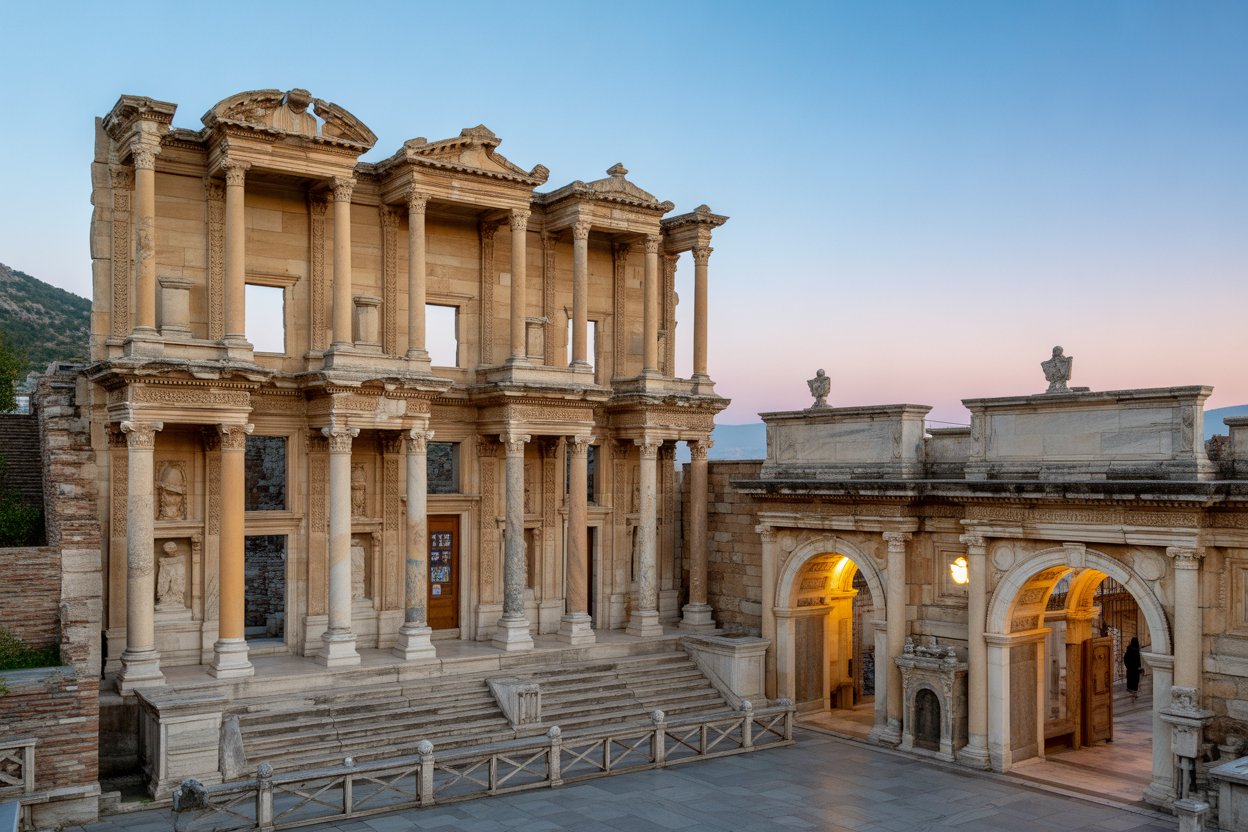
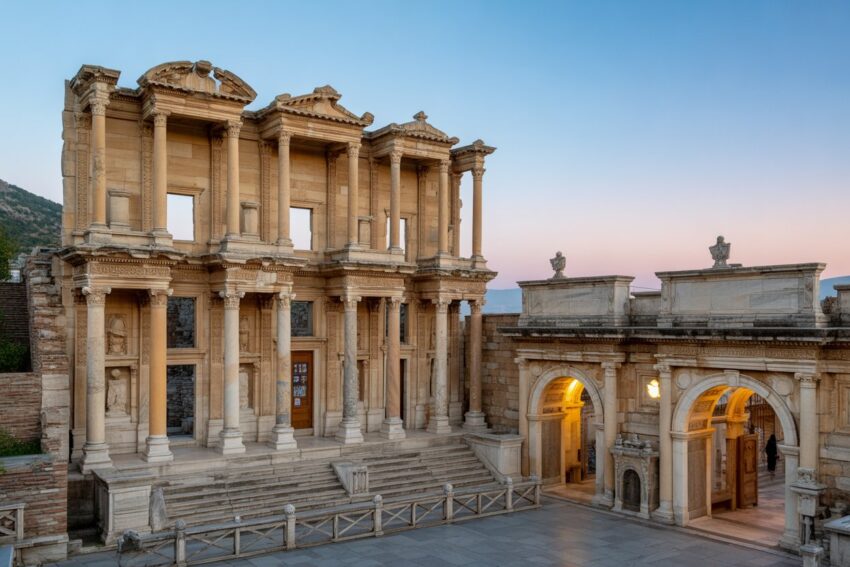
Ephesus, located on the Aegean coast of Turkey, is one of the best-preserved ancient cities in the world, offering an immersive journey into the past. The site boasts structures like the Temple of Artemis, once one of the Seven Wonders of the Ancient World, and the magnificent Library of Celsus, which still stands proudly despite centuries of history. Unlike Pompeii, which is often packed with tourists during peak seasons, Ephesus maintains a peaceful atmosphere, providing visitors with a more intimate connection to its heritage.
The Turkish government has made significant investments in preserving Ephesus and improving infrastructure to welcome tourists while maintaining the site’s integrity. As of 2026, efforts to manage visitor numbers and preserve the site have led to a more controlled and enjoyable experience for those eager to explore ancient civilizations without the overwhelming crowds.
Why Ephesus is Becoming the Go-To Destination for Ancient Ruins Enthusiasts
Pompeii has long been a favorite for travelers interested in ancient ruins, but the rise in tourism has led to overcrowding, making it difficult for visitors to fully appreciate the historical significance of the site. The government of Italy has made strides in addressing this issue, but Ephesus offers a more accessible, serene alternative.
Ephesus’s open-air museum concept allows tourists to explore a vast expanse of ruins without the stress of overcrowding. The site’s layout, which is spread over a wide area, means that even during busy times, visitors can wander freely without feeling cramped. Additionally, the relatively lower number of tourists visiting Ephesus compared to Pompeii means that history lovers can enjoy the ruins without the constant hustle and bustle.
Moreover, the Turkish Ministry of Culture and Tourism continues to invest in improving the visitor experience at Ephesus. From enhanced pathways to digital tour guides, tourists are finding it easier and more enjoyable to navigate the historical site. The Turkish government has also taken steps to protect the ruins from further degradation, ensuring that future generations can enjoy the magnificence of Ephesus in its full glory.
Ephesus vs. Pompeii: The Key Differences and What Makes Ephesus Stand Out
The primary difference between Ephesus and Pompeii lies in their preservation and accessibility. Pompeii, while spectacular in its own right, faces challenges with over-tourism, including large crowds and high ticket prices. Ephesus, however, has managed to maintain its authenticity and charm, partly due to Turkey’s effective tourism management strategies. Visitors can explore well-preserved structures, such as the Grand Theatre, the Temple of Hadrian, and the ancient Roman baths, without feeling rushed or crowded.
Additionally, while Pompeii was buried under volcanic ash, Ephesus’s preservation is a result of careful excavation and conservation. As a result, the ruins of Ephesus appear more intact, allowing for a more detailed understanding of what life was like in this ancient city. The city’s layout is also more cohesive, providing tourists with a better sense of how the ancient population lived and worked.
The Economic Impact of Ephesus: A Boon for Turkey’s Tourism Industry
The increasing popularity of Ephesus is having a significant positive impact on Turkey’s tourism industry. While tourism to popular destinations like Istanbul and Cappadocia continues to grow, sites like Ephesus offer an opportunity to diversify and spread out tourism more evenly across the country. The site’s growth in visitors helps to boost the local economy, creating jobs and supporting businesses in nearby towns such as Selçuk.
In response to the surge in visitors, Turkey has continued to invest in infrastructure and hospitality services to accommodate the growing number of tourists. This includes new hotels, restaurants, and services aimed at enhancing the travel experience, making Ephesus not just a historical site but a fully integrated tourism destination.
Why Ephesus Should Be on Your Travel List for 2026
For travelers seeking an authentic and immersive experience, Ephesus is the perfect destination. The ancient ruins, the serene atmosphere, and the rich cultural heritage offer a unique opportunity to explore the past while avoiding the congestion that often accompanies other famous archaeological sites like Pompeii. Ephesus offers a truly remarkable experience, and with the Turkish government’s ongoing efforts to preserve and promote the site, it is poised to become an even more significant cultural landmark in the coming years.
For those who appreciate history, culture, and the tranquility of less-traveled paths, Ephesus is the undiscovered jewel of ancient ruins in 2026.
