Published on
January 7, 2026
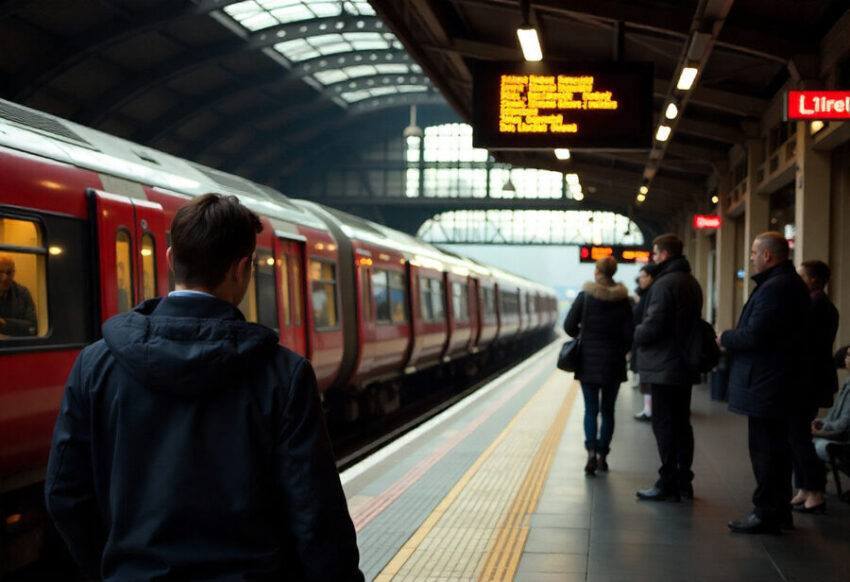
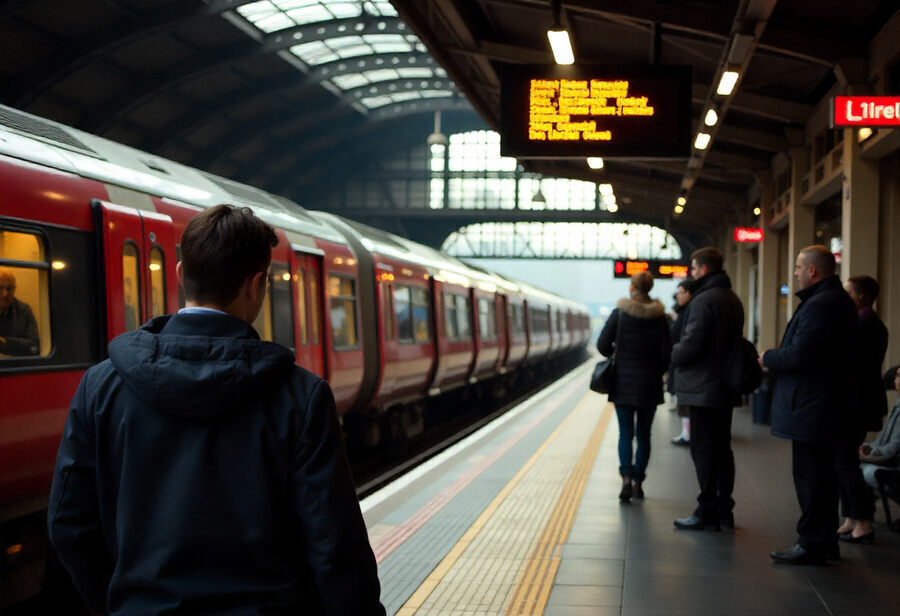
Starting in January 2026, Croatia is boosting accessibility and sustainability by offering free rail travel to students, seniors, and people with disabilities. This expanded initiative aims to make rail travel more affordable and accessible to these groups, removing financial barriers and promoting greater mobility. By encouraging public transport usage, the program also contributes to sustainability efforts by reducing reliance on private vehicles, helping to lower carbon emissions. This step not only improves travel options for vulnerable citizens but also aligns with Croatia’s broader goals of fostering eco-friendly transport and building a more inclusive society.
As of January 1, 2026, the Croatian government will extend the free rail travel benefit to additional groups of citizens. Children, full-time students, pensioners, and senior citizens aged 65 and above will continue to enjoy free train rides across Croatia, ensuring that travel remains affordable for these vulnerable groups. This long-standing initiative is critical for ensuring that education, access to healthcare, and affordable mobility remain within reach for a significant portion of the population.
The newly expanded program goes beyond these established groups by including people with disabilities, who will now be able to travel on Croatian trains for free. This significant addition means that individuals with National or European Disability Cards will be able to use the country’s rail network without any financial burden. By enhancing accessibility, Croatia is reinforcing its commitment to inclusivity, ensuring that the rail system is available to everyone, regardless of their physical limitations.
Another significant development is the introduction of free rail travel on key routes, particularly in the Istria region, which is a popular destination for both locals and tourists. As of 2026, all eligible residents of Istria County can travel for free on weekend trains between Pula and Zagreb. This is a major improvement for locals, who previously had to rely on other forms of transportation to reach the capital. The direct trains, which run on Fridays from Zagreb and Sundays from Pula, provide a seamless and efficient travel option for residents, eliminating the need for transfers and reducing travel time.
These weekend trains between Pula and Zagreb are especially important because they travel through Slovenia, making the journey more accessible for international visitors. The direct service, which was reintroduced on June 20, 2025, makes it easier for both Croatian residents and visitors to enjoy a hassle-free trip between two key destinations in the country. By offering a simple, direct travel option, Croatia is not only enhancing convenience but also promoting rail travel as a sustainable alternative to cars and other less eco-friendly forms of transport.
The Croatian government’s expansion of the free rail program is aimed at making train travel a more attractive option for everyone, from locals to international travelers. By extending the benefits to a wider range of people, the government hopes to encourage more citizens to use public transport, reducing reliance on private vehicles and supporting Croatia’s commitment to greener travel. This initiative is in line with broader European and global efforts to address climate change by promoting public transport options that are less harmful to the environment.
The program’s expansion is also expected to benefit the country’s tourism industry, making it easier for visitors to explore Croatia’s diverse regions. With improved connectivity, tourists will have more opportunities to visit places beyond the traditional tourist hotspots, increasing foot traffic to smaller towns and rural areas. The free weekend train services between Pula and Zagreb, for instance, provide an excellent opportunity for tourists to experience different parts of the country with ease, promoting the discovery of Croatia’s rich cultural heritage and natural beauty.
This move also fits into Croatia’s long-term goal of promoting sustainable tourism. By making rail travel more accessible and appealing, the government hopes to reduce the environmental impact of tourism, while simultaneously improving the economic prospects of less-visited areas. As more people opt to travel by train rather than by car, the country will benefit from less congestion, cleaner air, and a more sustainable tourism model.
In addition to the environmental benefits, the government’s decision to extend free travel to more groups is a powerful statement about the importance of public transportation in fostering an equitable society. With this expansion, Croatia is making a clear commitment to ensuring that all citizens, regardless of their economic background, age, or ability, have access to affordable and efficient transportation. The program helps bridge the gap between urban and rural areas, providing residents with greater mobility and improving overall quality of life.
The extended free rail transport initiative is also a reflection of the Croatian government’s efforts to strengthen its public infrastructure and invest in sustainable solutions for the future. By making these improvements to the national rail network, Croatia is setting a standard for other countries in the region, showing how public transport can be used to foster economic, social, and environmental benefits.
Starting in January 2026, Croatia will offer free rail travel to students, seniors, and people with disabilities, enhancing accessibility and promoting sustainable travel. This initiative aims to reduce costs for vulnerable groups while encouraging eco-friendly public transport.
In conclusion, Croatia’s expanded free rail transport program is a forward-thinking initiative that aims to make the country’s transportation network more inclusive, sustainable, and accessible. By extending the benefits to a broader range of citizens, enhancing key rail connections, and promoting green travel, Croatia is positioning itself as a leader in public transport innovation. As the country continues to prioritize eco-friendly and efficient travel options, the free rail transport initiative will play a key role in shaping the future of mobility for both residents and visitors.
