Published on
January 7, 2026
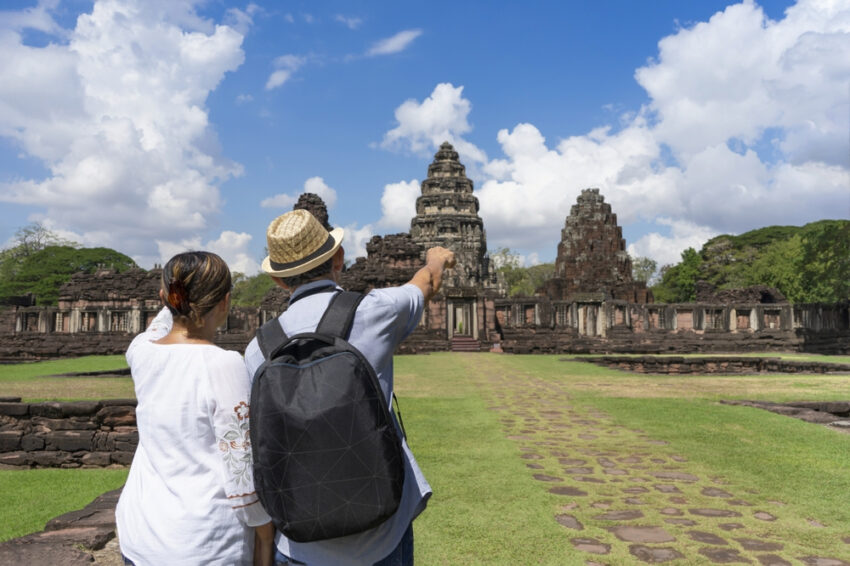
The global travel landscape is undergoing a profound transformation. For decades, iconic destinations such as Paris, Rome, Bali, and New York have dominated the itineraries of international travelers. Yet, as these well-known hotspots became increasingly overrun—with crowded streets, long queues, inflated prices, and negative environmental and social impacts—an underlying shift began to take shape. Travelers are now looking beyond the familiar, embracing lesser-known places and more mindful ways of traveling. This movement—often referred to as “hidden tourism”—is reshaping how people choose where and how they explore the world.
The rise of hidden tourism doesn’t mean travelers no longer want beauty, culture, or adventure. Rather, it signals a deeper desire for authenticity, sustainability, and connection. In this article, we explore the forces driving this change, what hidden tourism looks like in practice, who the travelers are behind it, and why destinations and the travel industry must embrace this opportunity with intention and care.
The Problem with Overtourism
Overtourism refers to a situation where too many visitors converge on a destination, overwhelming local infrastructure, ecosystems, and communities. It’s the phenomenon that turned Venice’s waterfront into a congested thoroughfare, led to restrictions on climbing Machu Picchu, and spawned “tourist-free” times at Angkor Wat.
Key Impacts of OvertourismEnvironmental DegradationFragile ecosystems such as coral reefs, mountain trails, and historical sites suffer from erosion, pollution, and irreversible damage due to mass visitation.Increased carbon emissions from transport and infrastructure expansion contribute to climate change.Social and Cultural StrainResidents face rising rents and living costs as tourism inflates housing demand and commercial rents.Traditional lifestyles and cultural practices become distorted or commercialized to cater to tourist expectations.Diminished Traveler ExperienceShoulder-to-shoulder sightseeing, long wait times, and generic experiences dilute the joy of discovery.Authentic cultural engagement becomes harder as local businesses get replaced by souvenir shops and multinational chains.
Overtourism has forced travelers—and the industry at large—to ask: Can we travel differently? Can travel be regenerative rather than extractive?
The Rise of Hidden Tourism
Hidden tourism is not simply about finding “undiscovered” places that are trendy Instagram backdrops. It’s an intentional, thoughtful approach to travel that prioritizes sustainability, local benefit, cultural respect, and meaningful experiences. It involves a shift from visiting to engaging; from consumption to connection.
The term “hidden tourism” encompasses a wide range of travel styles and motivations:
Choosing lesser-known destinations over traditional hotspots.Extending stays in local communities rather than hopping between major cities.Traveling outside of peak seasons to minimize environmental stress and maximize authenticity.Participating in local experiences that support community resilience—like farm stays, craft workshops, or community tourism initiatives.Embracing slow travel: reducing itinerary packing, enjoying deeper immersion, and staying longer in fewer places.
This evolution is not exclusive to any one demographic; it cuts across age, nationality, and travel style. But its influences are clear: environmental awareness, flexible remote work patterns, and a growing aversion to crowds and commodification in travel.
What’s Driving the Shift?1. Consciousness About Environmental Impact
Climate change, wildlife loss, and heightened awareness about carbon footprints are persuading travelers to choose greener options—whether that means less flying, using cleaner modes of transport, or visiting places where tourism benefits nature and people.
2. The Rise of Remote Work
The pandemic accelerated remote work around the world. Digital nomads and flexible workers now seek out places where they can mix work and adventure without the rush of ticking off bucket-list items. This naturally fuels interest in lesser-visited destinations that offer quality of life and cultural richness without overwhelming tourist crowds.
3. Social Media’s Double-Edged Sword
While social media has long made famous places even more famous, it has also democratized travel inspiration. Travelers are now more easily exposed to boutique experiences, nomadic lifestyles, and destinations off the beaten path.
4. Demand for Authentic Experiences
Modern travelers value experiences—sharing a meal with locals, learning a traditional craft, participating in community festivals—over photo-ops at iconic landmarks. Hidden tourism aligns with this desire for depth over superficial sightseeing.
5. Destination Saturation
Some world heritage sites, cultural capitals, and beach resorts have simply become unpleasant to visit during peak periods. Travelers are responding by seeking alternatives that are less crowded and more rewarding.
What Hidden Tourism Looks Like
Hidden tourism is not one thing; it manifests in experiences that are as varied as the travelers who seek them. Here are a few examples of how it plays out:
Experiential Stays
Visitors choose long stays in small towns or rural areas, living as locals might—shopping at markets, volunteering, learning language basics, or volunteering with conservation projects.
Cultural Exchange Programs
Rather than visiting for a weekend, travelers join cultural exchange programs where they engage with indigenous practices, support artisans, or take part in community education.
Nature-Based, Low-Impact Travel
Exploring lesser-known natural areas like highland valleys, wildlife corridors, or eco-villages where tourism is purposefully controlled to protect habitats.
Micro-Tourism
Short, frequent trips within a traveler’s own region or country—often overlooked gems that are closer to home and offer meaningful discovery without major environmental footprints.
Slow Travel
Travelers slow down. Instead of bouncing between major cities, they choose regional immersion: walking routes, local festivals, small guesthouses, home-cooked meals, and unhurried exploration.
Benefits of Hidden Tourism
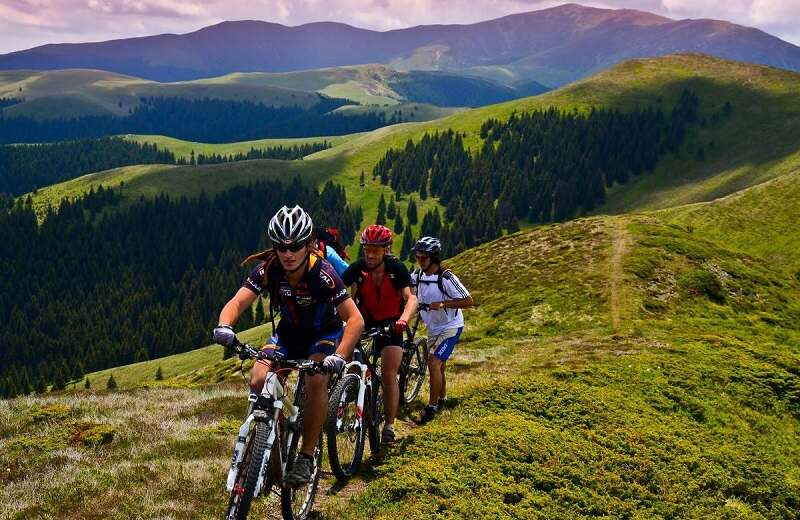
Hidden tourism yields positive outcomes for both travelers and destinations:
For TravelersDeeper Cultural Engagement: More authentic connections with local people and traditions.Enhanced Well-Being: Slower pace, reduced travel stress, and a sense of fulfillment.Unique Memories: Experiences that aren’t saturated by crowds or commercial tourism.For Destinations and CommunitiesDiversified Economic Benefits: Local businesses, artisans, guides, and farmers see more direct income.Reduced Overtourism Pressure: Lesser strain on infrastructure and environments at traditional hotspots.Cultural Preservation: Traditions can thrive when local communities benefit directly from tourism that respects their heritage.For the PlanetSmaller Ecological Footprint: Less crowding, reduced carbon emissions, and more sustainable practices.Support for Conservation Efforts: Tourism revenues that are reinvested into local preservation initiatives.Challenges and Considerations
While the shift toward hidden tourism is positive, it’s not without challenges.
Accessibility and Infrastructure
Many lesser-known places lack the infrastructure that makes travel comfortable or safe. Balanced development—guided by local voices—is key.
Risk of Future Overtourism
As hidden places gain attention, there’s a risk they, too, could become overwhelmed. Responsible tourism planning must anticipate growth rather than react to it.
Equitable Benefit Distribution
Hidden tourism must ensure that the economic benefits reach the communities rather than external investors who upscale a destination in less sustainable ways.
Cultural Responsibilities
Travelers must approach local cultures with respect—avoiding practices that commodify or exploit traditions for entertainment.
7 Countries Where Hidden Tourism Is Growing
Here are seven countries that exemplify the move toward lesser-known, sustainable, and deeply engaging travel experiences. These destinations offer rich cultural depth, natural beauty, and the opportunity to explore beyond overtourism’s glare.
1. Georgia
Far from overtourist trails, Georgia’s diverse landscapes—from the Caucasus Mountains to wine regions—offer immersive cultural experiences. Small mountain villages, ancient monasteries, and local wine-making traditions provide authentic connections without crowds.
2. Slovenia
This small European country blends natural beauty with sustainable tourism initiatives. Beyond Lake Bled and Ljubljana, regions like the Soča Valley and Karst Plateau offer eco-adventures, local gastronomy, and tranquil landscapes.
3. Albania
A relatively undiscovered part of Europe’s Adriatic coast, Albania offers pristine beaches, rugged mountains, and archaeological treasures. Its slower pace and vibrant culture are ideal for travelers seeking fresh experiences.
4. Sri Lanka
While famous sites like Sigiriya and Kandy draw visitors, large parts of Sri Lanka remain tranquil and culturally rich—from hill country tea estates to coastal artisan villages, offering meaningful encounters with heritage and nature.
5. Bolivia
Often overshadowed by neighboring South American destinations, Bolivia’s unique landscapes—from salt flats and high-altitude deserts to indigenous markets—provide a window into vibrant cultures rarely seen by mass tourism.
6. Madagascar
A biodiversity hotspot, Madagascar is perfect for nature lovers looking beyond mass tourism. Its forests, spiny deserts, and endemic wildlife offer truly unique experiences, and community-led eco-tourism helps sustain local livelihoods.
7. Oman
Oman’s diverse terrains—desert dunes, wadis (valleys), and dramatic mountain ranges—invite exploration without the crowds found in other Middle Eastern hotspots. Cultural immersion through markets, forts, and local traditions is a major draw.
How Travelers Can Embrace Hidden Tourism
Hidden tourism is both a mindset and a practice. Here are concrete ways travelers can align with this approach:
1. Choose Off-Peak Seasons
Travel outside the traditional high seasons to reduce crowding and often save money. Off-peak travel spreads demand more evenly, benefiting both places and travelers.
2. Prioritize Local Businesses
Stay in locally owned guesthouses, eat at neighborhood eateries, and buy from local artisans. This ensures tourism dollars flow back into the community.
3. Learn Before You Go
Dive into the history, languages, and cultural norms of your destination. Respectful engagement fosters genuine connection and minimizes inadvertent harm.
4. Slow Down
Rather than checking off dozens of attractions, build an itinerary that allows for unhurried exploration and adaptation.
5. Support Responsible Tourism Initiatives
Seek out community-based tourism, conservation projects, and tours that promise fair wages and ethical practices.
Conclusion: A New Era of Travel
The shift from overtourism to hidden tourism represents more than just a change in destination preferences. It reflects a deeper transformation in how people think about travel—less as a checklist of sights and more as a journey of understanding, connection, and mutual respect.
Travelers today increasingly seek experiences that nourish the soul, honor the planet, and uplift the people and places they visit. They are redefining what it means to go somewhere—not just to see it, but to feel it, to participate in it, and to leave it better than they found it.
As destinations evolve and travelers seek richer, more purposeful experiences, hidden tourism stands not just as an alternative—but as a hopeful and meaningful direction for the future of travel.
