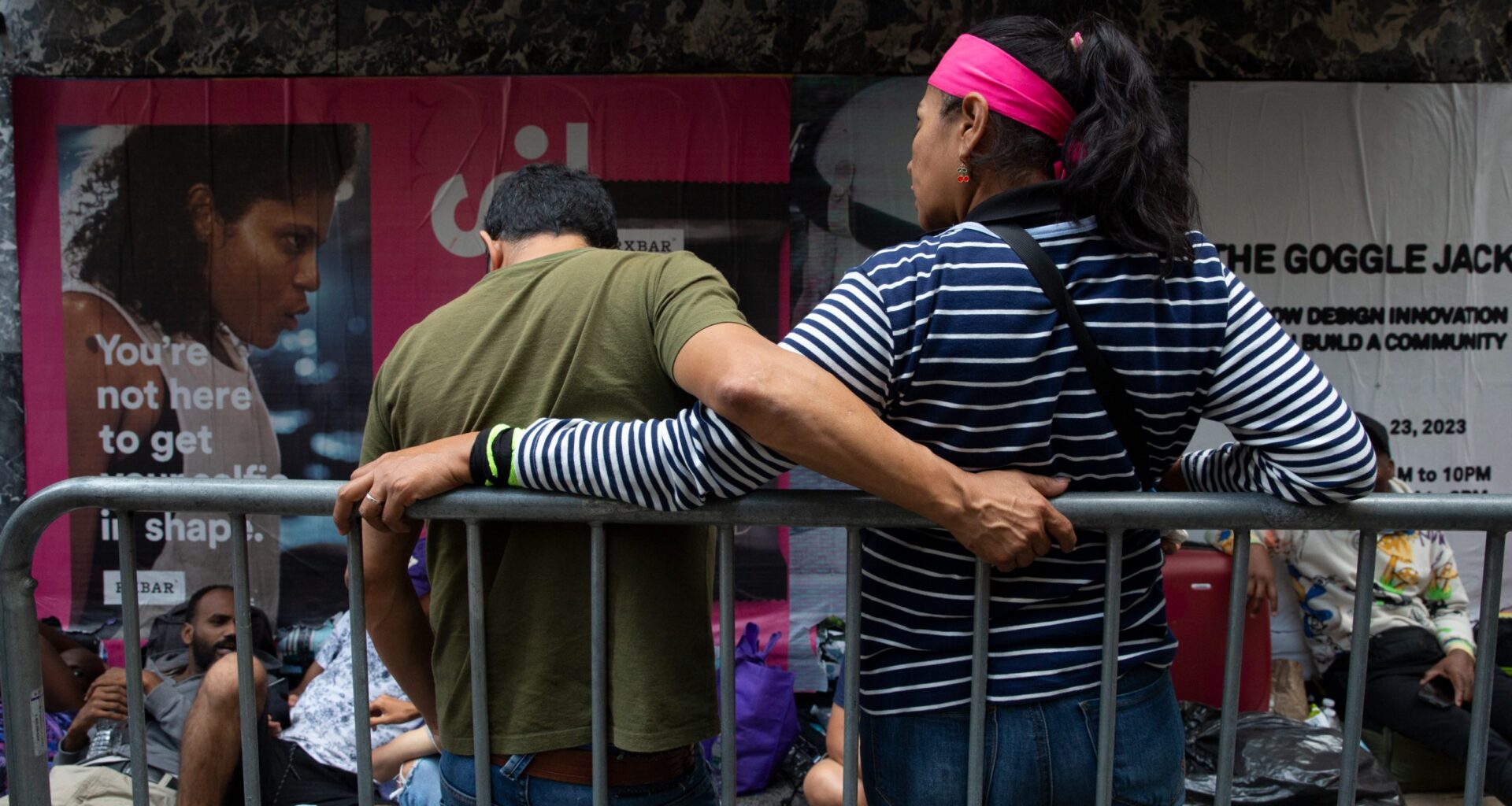
It’s almost the end for the city’s migrant shelter system.
Mayor Zohran Mamdani instructed the Department of Homeless Services on Monday to come up with a plan by mid-February to phase out what remains of the network, long maligned by critics as a “shadow shelter system” where longstanding minimum standards for other city shelters don’t apply.
While the emergency executive order from Mamdani temporarily extends former Mayor Eric Adams’ order first signed in October 2022, it also calls on DHS to come up with a plan to bring the remaining migrant shelters into compliance with rules that apply to all other city shelters. Those rules bar shelters from having more than more than 200 beds in a single location and require each family unit to have a kitchen, among other regulations.
About 30,000 people lived in emergency shelters for newly arriving migrants as of November, according to the most recent data available, down from a peak of more than 68,000 people in December 2023.
While the Mamdani administration aims to phase out the separate migrant system, many people still living in it will likely continue to live in city shelters, where around 60,000 New Yorkers live on any given night.
As the number of migrants crossing the southern border and making their way to New York City slowed in 2024, Adams was able to shut down all but one of the large-scale emergency shelters that came to define the migrant crisis here. In addition, the city manages about 150 hotels that house migrant families.
In the waning months of his mayoralty, Adams shut down the Row Hotel and the Roosevelt Hotel, which followed the closure of the large-scale tent shelters on Randalls Island, at Floyd Bennett Field and at Creedmoor Psychiatric Facility.
Bringing the remaining facilities into compliance with prior laws will present newly-elected Mayor Mamdani with certain hurdles in the months to come.
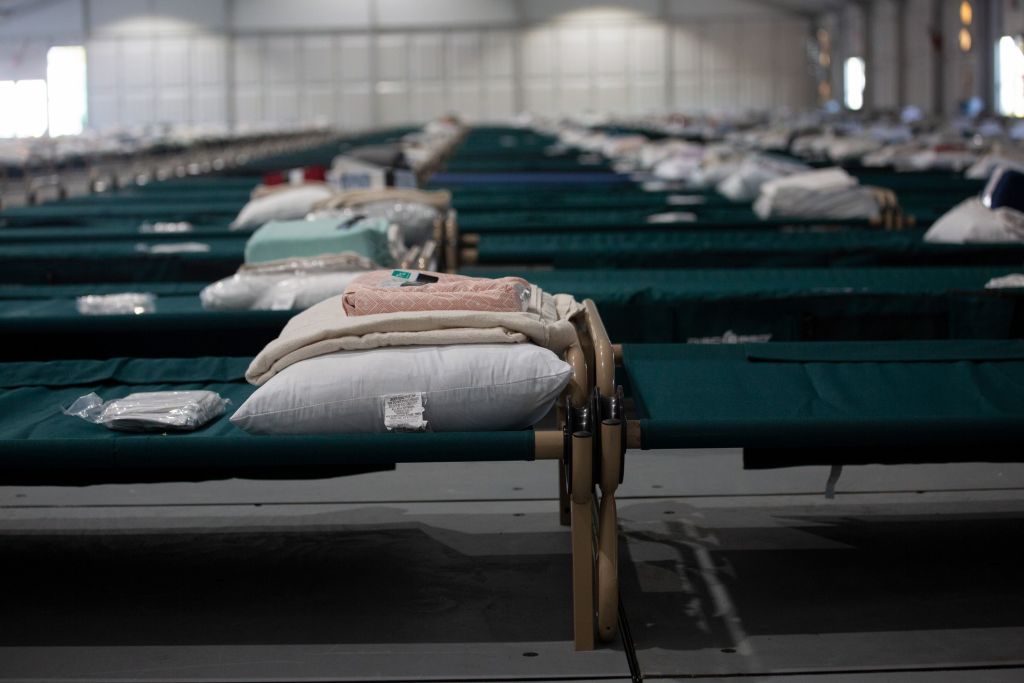 City officials erected a temporary shelter on Randalls Island for single men migrating into the country, Oct. 18, 2022. Credit: Ben Fractenberg/THE CITY
Hundreds of men live at the last remaining large-scale shelter, a warehouse in the South Bronx. The city will have to find alternative arrangements for them, said Joshua Goldfein, an attorney with the Legal Aid Society, which represents the Coalition for the Homeless advocating for New Yorkers in the city’s shelter system.
“There are not enough beds in the single adult system to take everybody tomorrow,” Goldfein said.
Beyond that one large-scale adult shelter, there are 150 hotels for migrant families overseen by the Department Homeless Services, many of which may not be fully in compliance with rules that apply to typical family shelters, though it’s unclear the extent to which upgrades would be needed there.
Traditional family shelters require kitchens in each unit, which are not in place in most of the hotel rooms the city uses as shelters. DHS didn’t return a request for comment right away.
Still, Goldfein said, Mamdani’s order is a step in the right direction.
“There’s a bunch to untangle here,” Goldfein said. “The most important thing is that the mayor ordered them to bring everything into compliance, which the previous administration did not do.”
Adams first declared a state of emergency in the fall of 2022, allowing him to waive a host of longstanding regulations guaranteeing minimum standards in shelters, in order to accommodate an influx of migrants. At that time, around 20,000 people had entered the shelter system after crossing the border.
But in the months that followed, the migrant population only grew, forcing the city to open emergency shelters in gymnasiums, in warehouses, and the sprawling tent encampments.
Between 2021 and 2024, the United States saw historic numbers of people crossing the southern border, peaking at 3.2 million in fiscal year 2023, which surpassed levels seen even in the early 1900s, when migrants arrived at Ellis Island.
In the absence of meaningful federal intervention from the Biden administration, New York City — with its unique “right to shelter” protections that require the city to provide shelter to anyone who seeks it — became the nation’s de facto front door. More than 231,000 newly arriving migrants entered city shelters between 2022 and 2025, according to figures from City Hall. While Adams initially welcomed arriving asylum seekers, he soon soured, warning they would “destroy New York City,” and later railed against President Biden for abandoning New York to foot the bill of more than $8 billion.
THE CITY reported in the fall of 2024 that the Adams administration was moving to phase out the migrant shelter system by the end of this June, though the administration hadn’t outlined a specific path to achieving that.
Related