Published on
January 7, 2026
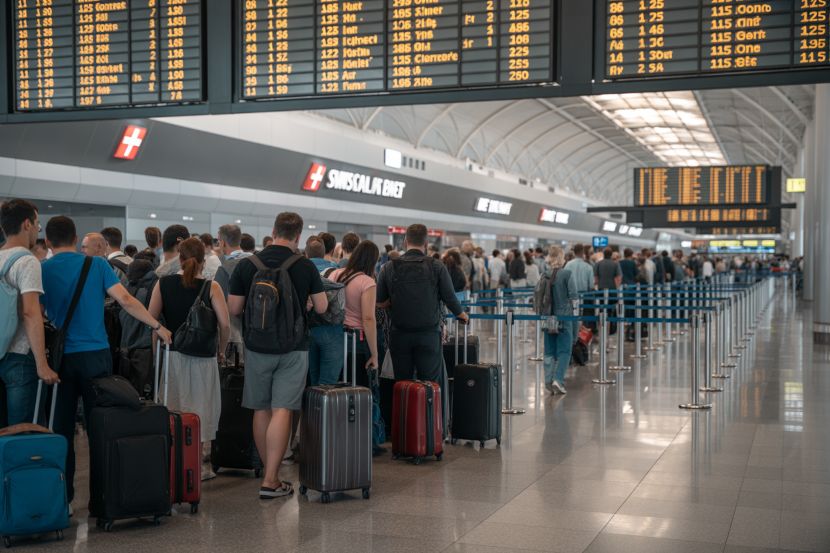
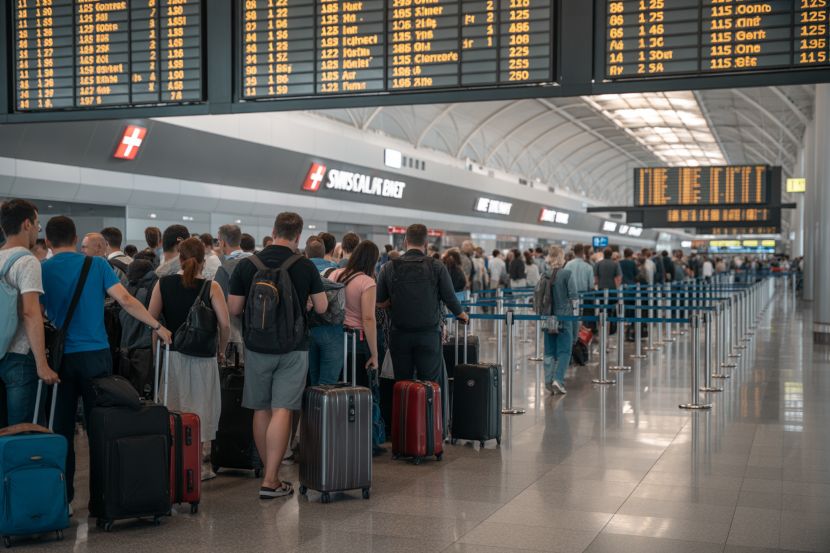
Travelers across Spain are facing a significant disruption at major airports, as flight delays and cancellations pile up, affecting both domestic and international travel. Key airports such as Adolfo Suárez Madrid-Barajas, Barcelona International, Valencia, and Bilbao have reported massive delays and cancellations. With the ongoing situation, passengers are advised to expect extended waiting times and to check their flight status regularly.
As of the latest updates, the delays at Adolfo Suárez Madrid-Barajas have reached a staggering 233, while 13 flights were canceled. Over at Barcelona International, the delays tallied up to 161, with 20 cancellations impacting travelers. Valencia and Bilbao airports were also affected, with 46 delays and 4 cancellations at Valencia, while Bilbao saw 13 delays and 4 cancellations. These disruptions have raised concerns for both tourists and business travelers planning to take flights from or to Spain.
Madrid’s Major Flight Delays and Cancellations Disrupt Travel Plans
Madrid’s Adolfo Suárez Madrid-Barajas Airport, Spain’s busiest international gateway, saw the highest number of flight delays today. A total of 233 delays were reported across multiple airlines, with the majority affecting international flights, primarily those headed to European and North American destinations. These disruptions come as the airport continues to deal with operational challenges related to weather conditions and air traffic congestion.
The airport’s operations team is working round the clock to minimize the impact, but passengers are being urged to monitor real-time flight information. In addition to delays, 13 flight cancellations added further strain to the already chaotic travel day. Travelers are particularly frustrated by the lack of timely updates, which has led to confusion among passengers trying to reschedule their flights.
Many international airlines, including KLM, Air Europa, and Iberia, have been impacted by these delays. While the airport remains operational, the volume of delays indicates that more infrastructure and communication improvements are urgently needed. These disruptions come on the heels of a period of relative stability at Madrid’s airport, with some industry experts citing the ongoing strain of post-pandemic air travel as a contributing factor.
Barcelona International Airport Faces Severe Disruption
Barcelona International Airport, one of Spain’s most visited airports, has also faced significant disruptions today, with 161 delays reported, affecting both domestic and international flights. The airport, a hub for major European carriers like Vueling Airlines and KLM, saw 20 cancellations, further complicating an already challenging travel day. The delays ranged from 30 minutes to several hours, with passengers on both long-haul flights to the U.S. and short-haul flights within Europe facing delays.
Passengers flying with Vueling, a major Spanish airline, have been among the most affected, with 56 delays and 9 cancellations recorded. The airline has announced that it is doing everything possible to accommodate its customers, but travel uncertainty remains. Travelers have been advised to check online updates before heading to the airport.
Valencia and Bilbao Airports Also Impacted by Delays and Cancellations
Valencia and Bilbao airports have not been immune to the disruptions. Valencia Airport reported 46 delays and 4 cancellations, affecting airlines such as KLM and Lufthansa. The delays were particularly noticeable in the early hours of the morning, with travelers heading to major cities like Madrid, Paris, and London facing significant hold-ups. While Valencia Airport is not as large as Madrid or Barcelona, it serves as a crucial international connection point, making the delays all the more frustrating for passengers.
Meanwhile, Bilbao Airport experienced a smaller, though still significant, amount of disruption with 13 delays and 4 cancellations. Airlines including Vueling Airlines and Air Europa were notably affected. While the delays were not as widespread, passengers flying from Bilbao are still advised to prepare for longer-than-usual waiting times.
Travelers Urged to Stay Updated and Seek Assistance
With the situation continuing to evolve, passengers at all affected airports are being urged to stay updated with flight status via official airline websites and airport notifications. Airport staff are doing their best to manage the situation, but with a high number of delays and cancellations, passengers should expect long wait times at check-in counters and departure gates.
For those whose flights have been canceled, airlines are offering rebooking options. However, the availability of new flights is limited, especially for international routes. In some cases, passengers may be asked to wait several days before they can be rescheduled for another flight. Airlines are also working to provide accommodation and meals for stranded passengers, but the level of service may vary.
What Can Passengers Do?
For those traveling through Madrid, Barcelona, Valencia, or Bilbao airports, it’s crucial to take the following steps:
Check flight status regularly: Use the airline’s app or the airport’s website for the latest updates on delays and cancellations.Be prepared for long waiting times: With numerous delays, expect longer lines at check-in counters, security, and boarding gates.Consider alternatives: If your flight is significantly delayed or canceled, ask the airline about rebooking options or consider other nearby airports for alternative flights.The Bigger Picture of Spain’s Travel Challenges
These ongoing disruptions at Spain’s major airports highlight a larger issue affecting the aviation industry worldwide. The challenges of managing post-pandemic air travel have left many airports struggling to keep up with demand. Issues such as staffing shortages, maintenance delays, and air traffic congestion continue to cause havoc at airports across Europe. In Spain, the travel industry is working hard to adapt to these challenges, but with flight demand soaring, the strain on airport infrastructure is only likely to continue.
Moreover, as Spain’s tourism industry rebounds, the impact of such delays and cancellations could have far-reaching effects on the country’s economy, particularly in the key tourism sector. Tourism officials in Spain have urged travelers to be patient and understanding during this challenging period.
Conclusion: Preparing for Future Travel Disruptions
As the aviation industry continues to recover from the impacts of the pandemic, passengers can expect some degree of uncertainty in the short term. While airports like Madrid, Barcelona, Valencia, and Bilbao work to improve their operational efficiency, travelers are encouraged to stay informed and plan for longer travel times. The best advice is to stay flexible, monitor updates, and allow plenty of extra time for your journey.
With thousands of passengers affected by delays and cancellations today, Spain’s airports are facing one of their most challenging days in recent history. But with the right preparations, travelers can minimize the stress and disruptions caused by this ongoing situation.
