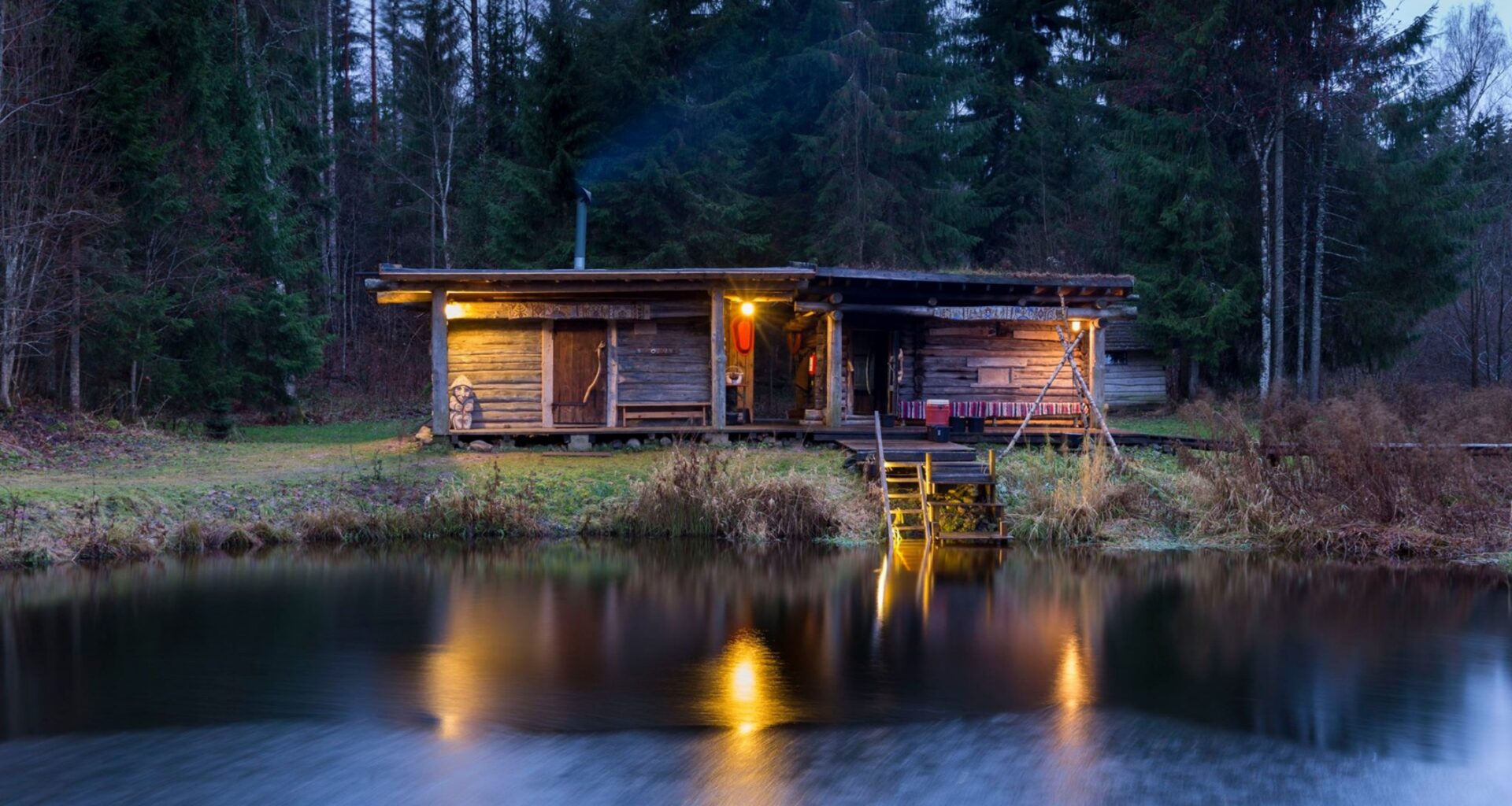
By the end of the first year of a nationwide survey, more than 800 smoke saunas have been logged across Estonia – from small islands to hilltops – puncturing the idea that these soot-blackened buildings belong solely to the past.
The census, coordinated by cultural heritage specialists and sauna surveyors, has revealed a landscape where smoke saunas are not only surviving but evolving. Among the recorded buildings is Estonia’s highest-altitude smoke sauna, standing 281 metres above sea level on the slopes of Papisöödu Hill in the Haanja region, with views stretching towards Suur Munamägi, the country’s highest peak.
What has emerged is a picture of striking diversity. Some smoke saunas are centuries old, low and dark, built from hand-hewn logs. Others are brand new, fitted with slate roofs, underfloor heating or ship-plank floors. One even has a cat flap.
“People tend to imagine a smoke sauna as something archaic, black and smoky, perhaps 200 years old,” said Marko Puksing, a smoke sauna surveyor, speaking to Estonian Public Broadcasting’s evening news programme. “But there are also very modern ones – newly built, creatively adapted, reflecting how people live today.”
That flexibility is part of the point. There is no single “correct” smoke sauna. At Kakuveski farm, for instance, the owners chose to fire their sauna from outside – a practical decision that keeps the anteroom cleaner and makes heating easier. “Some smoke does get in,” said Helika Pung, one of the owners, “but it’s still a clean space.”
 Smoke sauna. Photo by Silver Gutmann.
The survey is not just a spreadsheet exercise. Alongside coordinates and construction details, stories surface – sometimes tender, sometimes tragic. The Kakuveski sauna, built to fulfil a deeply personal family wish, will soon pass into state ownership because it lies in the path of the expanding Nursipalu military training area.
“My husband believed that a man from Võrumaa is born in a smoke sauna and must die in a smoke sauna,” Pung said. “He got his sauna in the end – but now it will belong to the state. Perhaps one day another can be built.”
A tradition recognised by UNESCO – and still changing
The renewed interest comes more than a decade after UNESCO added the Võrumaa smoke sauna tradition to its Representative List of the Intangible Cultural Heritage of Humanity. Crucially, what was recognised was not the buildings themselves but the living practice around them: heating stones for hours, whisk-making, ritual washing, meat smoking, and the unspoken rules governing behaviour inside the sauna.
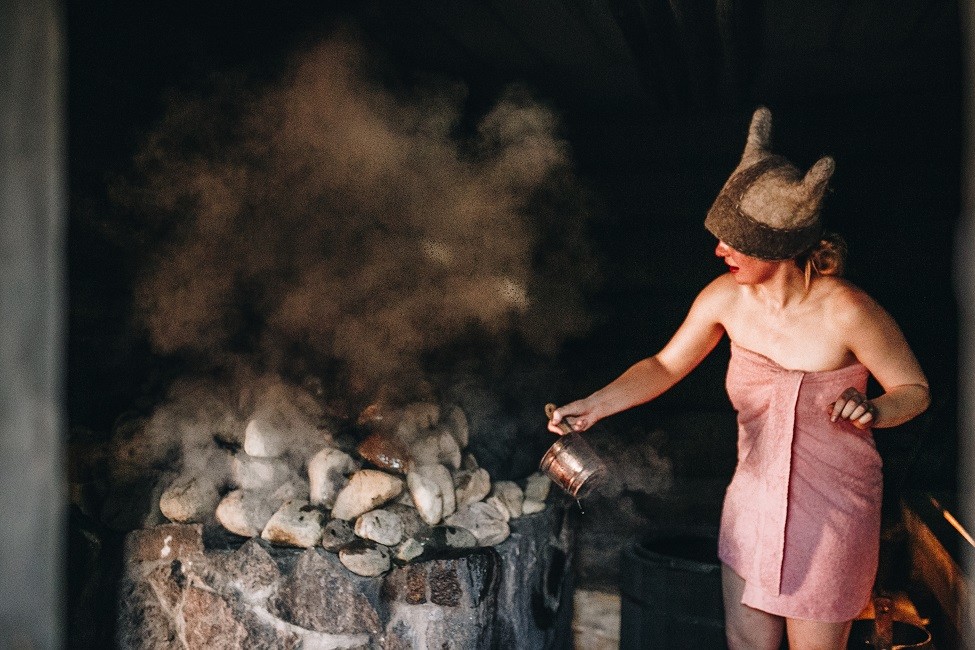 Water being poured on the stones to generate steam inside the smoke sauna. Photo by Adam Rang.
In southern Estonia, particularly in Võrumaa and neighbouring Setumaa, the smoke sauna remains bound up with identity. Known locally as savvusann, it has long been a place of both physical and spiritual cleansing – historically used for childbirth, healing, food preparation and, at times, death.
About one fifth of farms in these hilly, forested regions are still estimated to have a smoke sauna. While few are used today for births or healing, the long, unhurried ritual of bathing continues to connect families, neighbours and friends.
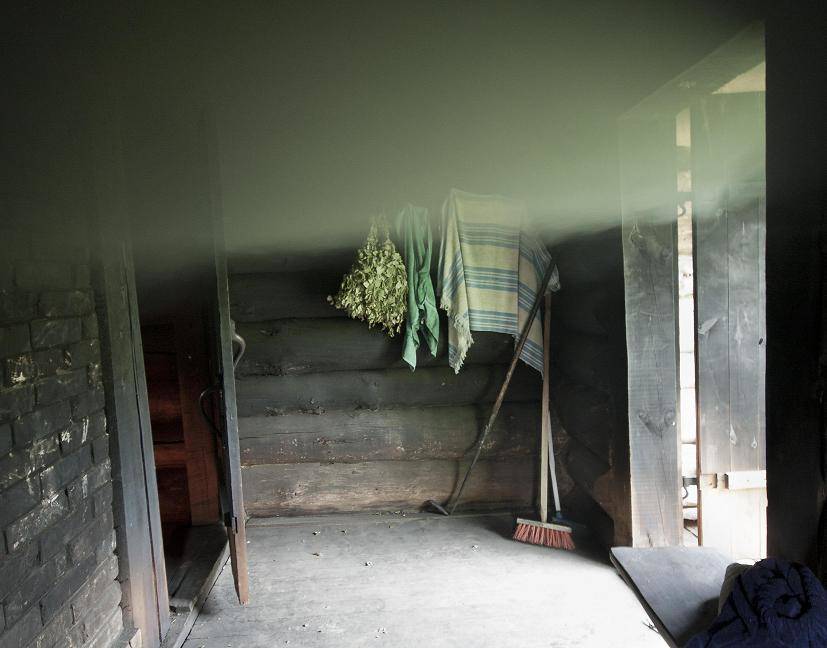 A smoke sauna in Karula, Estonia. Photo by Toomas Kalve.
The smoke sauna also distinguishes itself technically. With no chimney, smoke circulates through the room while stones are heated, before being ventilated away. What remains is a soft, enveloping heat that can last deep into the night – a quality many devotees describe as incomparable to modern electric or wood-fired saunas.
From islands to open yards
Smoke saunas have been reported from every corner of Estonia. On Piirissaar, a small island in Lake Peipus, six were recorded alone. While many entries in the first year came from owners volunteering information, this year’s work includes old-fashioned field research.
“That means me driving around with a big sign saying ‘Smoke Sauna Survey’ and pulling into yards,” Puksing said. “If someone’s home, I explain what I’m doing and ask if I can register their sauna.”
The organisers are still encouraging people to come forward – whether it is their own sauna or the one next door. The aim is not regulation, but understanding: mapping how a tradition adapts, migrates and survives in a modern European state shaped by rapid technological change.
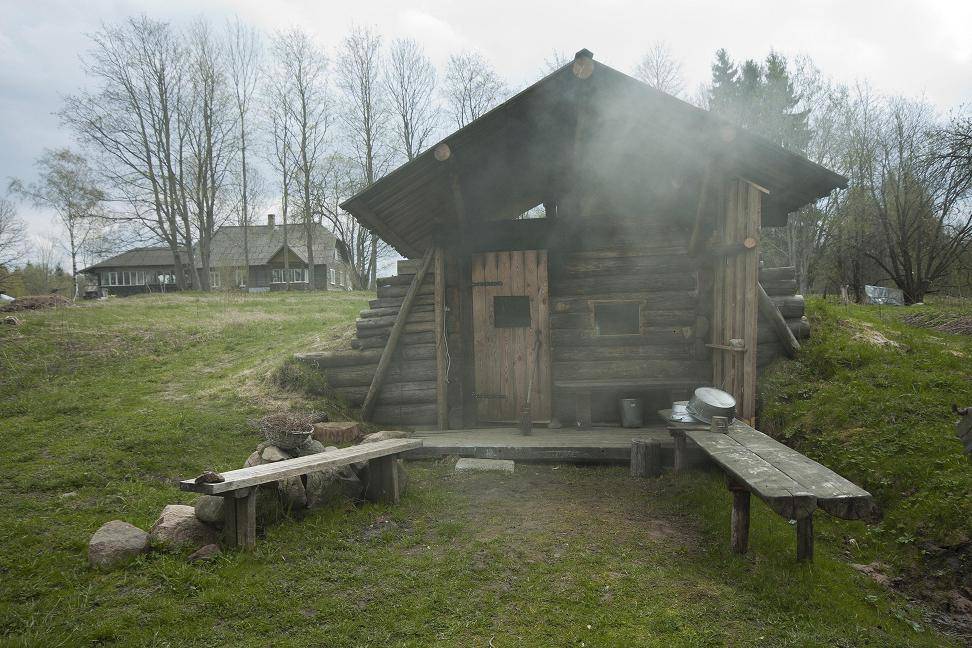 A smoke sauna in Kanepi, Estonia. Photo by Toomas Kalve.
What the early results suggest is that Estonia’s smoke saunas are not relics, but quietly radical spaces – places where old cosmologies coexist with slate roofs and underfloor heating, and where heritage is not frozen, but constantly reheated.
In a country often celebrated for its digital government and start-up culture, the soot-stained walls of the smoke sauna tell another story: of slowness, continuity and the stubborn refusal of certain ways of being to disappear.