Published on
January 7, 2026
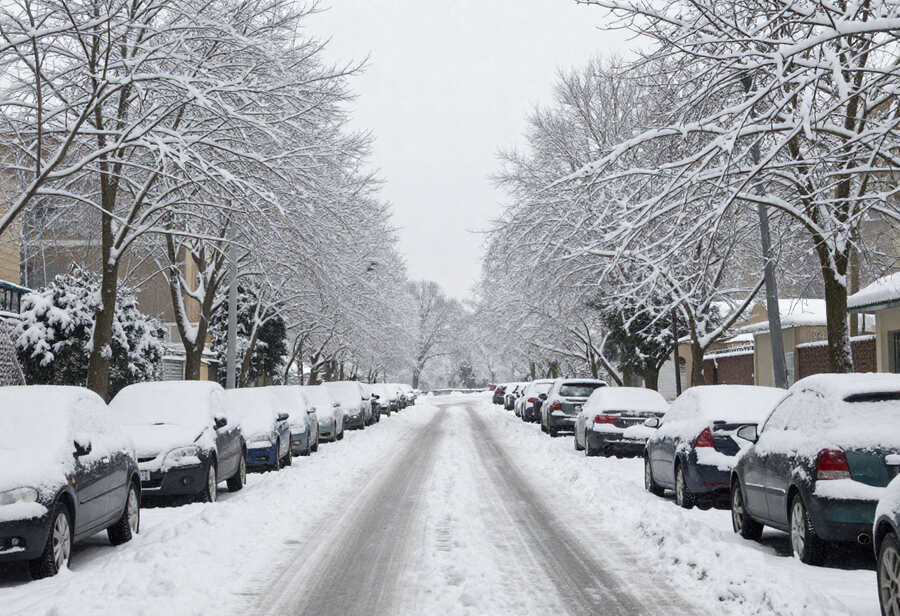
Europe endures a brutal snowstorm assault in the first week of January, causing massive disruptions to airports, trains, and roads, and throwing holiday plans into disarray across France, Netherlands, Germany, Sweden, Romania, Finland, and beyond. This intense winter storm has paralyzed transportation networks, grounding flights, halting trains, and closing major roadways, leaving travelers stranded and forcing last-minute cancellations as the continent faces an unprecedented weather crisis. With icy conditions continuing through the week and more snow forecasted, many countries have issued severe weather warnings, urging citizens and travelers to stay indoors and avoid unnecessary travel. As the storm continues to wreak havoc, holidaymakers and commuters alike are being forced to adapt to this fierce and unforgiving winter onslaught.
As Europe grapples with one of its most intense snowstorms in years, major travel disruptions have caused widespread chaos, impacting both domestic and international holiday plans. From icy roads to cancelled flights, and halted trains, this unprecedented weather event has made its mark on countries across the continent. The snowstorm has not only resulted in dangerous travel conditions but has also left a trail of broken holiday plans in its wake.
The powerful snowstorm, coupled with freezing temperatures and snowdrifts, has created hazardous conditions for travelers, with multiple countries issuing warnings and taking precautions to ensure public safety. This article breaks down the major countries affected, the disruptions they are facing, and what travelers need to know to navigate this winter crisis.
France: A Winter Wonderland Turned Into Travel Chaos
France, known for its romantic streets and charming winter markets, has been heavily impacted by this brutal snowstorm. Heavy snow has blanketed northern and central regions, including the capital, Paris. The snowstorm, which began on Monday, brought severe disruption to transport networks. Major airports like Charles de Gaulle and Orly saw numerous flight cancellations and delays, with many travelers left stranded or rerouted to nearby airports.
The French rail system also experienced disruptions, particularly on the high-speed TGV lines, and local commuter trains were cancelled across the northeast. Snow and ice on the roads led to dangerous driving conditions, with authorities urging travelers to postpone trips if possible. Despite the beauty of snow-covered landscapes, France’s picturesque winter has been overshadowed by safety concerns and travel uncertainties.
The Netherlands: Snowstorm Brings Eurostar to a Halt
In the Netherlands, the snowstorm has led to some of the most significant travel disruptions. Eurostar, the high-speed rail service connecting the UK with the European mainland, halted services between London and Amsterdam, advising passengers to delay their journeys. The snowstorm’s impact on train services has been felt acutely in Amsterdam, where snow accumulation and icy conditions forced rail services and air services to be suspended.
Passengers were not only stranded at train stations but also had to deal with dangerous roads as snow and ice clogged transportation routes. The Dutch government has issued multiple weather warnings across the country, urging residents to stay off the roads unless absolutely necessary. The snowstorm’s disruption has resulted in delays in deliveries and affected essential services, compounding the already high pressure on the Dutch infrastructure.
Germany: Snow and Ice Bring Travel to a Standstill
Germany, home to bustling cities and its famous winter markets, is not spared from the devastating effects of this snowstorm. The southern and eastern parts of Germany were the hardest hit, with several regions experiencing up to 10 inches of snow. The weather led to the closure of roads and delayed trains, particularly in Bavaria and Saxony.
Frankfurt Airport, one of Europe’s busiest hubs, reported hundreds of flight cancellations and delays due to both snow and low visibility. The snowstorm also led to dangerous travel conditions on highways, with some areas seeing traffic jams lasting hours as vehicles struggled to make their way through snow-covered streets.
Local authorities in Germany have warned travelers to avoid non-essential trips, and several ski resorts in the Bavarian Alps temporarily closed due to avalanche risks and extreme weather conditions.
Sweden and Finland: The Coldest Regions Hit the Hardest
In Sweden and Finland, the snowstorm has reached its peak intensity, with some areas reporting temperatures as low as -30°C. These frigid conditions have created hazardous travel environments, with icy roads and airports struggling to cope with the demand for flight rescheduling and cancellations.
In Sweden, Stockholm’s Arlanda Airport saw multiple delays as a result of heavy snow accumulation, while the Baltic Sea region was almost completely shut off due to dangerous road conditions. Finland, known for its winter tourism, also faced severe travel disruptions. The snowstorm brought a surge in cancellations for flights to Lapland, a popular destination for those seeking a winter wonderland experience.
The snowstorm has been particularly harsh for Finland’s northernmost cities, with blizzards creating visibility issues and freezing temperatures leading to power cuts. Both countries have issued “dangerous weather” warnings, urging locals and travelers to stay indoors and avoid unnecessary travel.
Romania: Snowstorms and Power Outages Add to the Woes
Romania, which is known for its beautiful castles and winter landscapes, has been significantly affected by the snowstorm. In addition to the widespread snow, the country has faced power outages due to fallen trees and damaged power lines. Major cities like Bucharest and Cluj-Napoca experienced transportation disruptions, with snow blocking access to the city centers.
In the rural areas, some communities were completely cut off due to impassable roads, and the government issued a state of emergency in several regions. Romanian authorities have urged citizens to remain at home and have begun to deploy snowplows to clear the roads. However, snow removal operations are complicated by the ongoing snowfall and the icy conditions that are not expected to let up soon.
United Kingdom: Snowstorm Chaos Disrupts Travel Across the Country
The United Kingdom has been significantly impacted by the brutal snowstorm, with widespread disruptions to travel across England, Scotland, and Wales. The storm, which began earlier this week, brought heavy snow, freezing rain, and icy conditions, causing chaos on the roads and railways. The snowstorm has been particularly severe in northern and central regions, with temperatures plummeting well below freezing.
In Scotland, snow and ice led to numerous road closures, particularly in the Highlands and the northeast. Drivers were advised to avoid non-essential journeys as snow accumulation made many roads impassable, resulting in traffic jams and long delays. The severe weather also led to a number of accidents, further complicating the situation.
Rail services across the UK have been heavily disrupted. The iconic high-speed trains, including those on the East Coast and West Coast mainlines, have experienced delays and cancellations due to snow accumulation on tracks and overhead cables. Additionally, Eurostar services between London and continental Europe were briefly affected as snowstorms in the Netherlands and France caused delays and cancellations, further stranding passengers.
Airports across the UK have also faced widespread disruptions. Heathrow, Gatwick, and Manchester airports reported a significant number of flight cancellations and delays as heavy snow and icy conditions made it difficult to manage air traffic. With numerous flights grounded, travelers have been left stranded at airports, many of whom are struggling to rebook or find alternative routes.
Travel Disruptions Across Europe: What Travelers Need to Know
As Europe faces this unprecedented snowstorm, travelers are urged to take extra precautions. With snow and ice affecting air, rail, and road networks, here are a few essential tips to keep in mind:
Flight Cancellations and Delays: If you are flying, be sure to check the status of your flight before heading to the airport. Most major European airports are facing delays or cancellations. Expect a surge in rescheduled flights, particularly from airports in France, Germany, and the Netherlands.Train Disruptions: Eurostar and other rail services across Europe have faced delays or cancellations. If you’re planning on taking the train, check the train operator’s website for real-time updates on your journey.Road Safety: Road conditions across northern and central Europe remain treacherous. It is advisable to avoid traveling by car if possible. For those who must drive, ensure your vehicle is equipped with winter tires and carry emergency supplies, such as a blanket, water, food, and a fully charged phone.Prepare for Power Outages: With power outages reported in Romania, Finland, and parts of Sweden, travelers should prepare for the possibility of losing electricity. Keep essential supplies like flashlights, batteries, and a portable charger on hand.Stay Updated: Weather conditions are rapidly changing, and updates from local authorities and transport services will be crucial. Make sure to monitor weather apps or news channels for the latest travel advisories.How to Cope with the Winter Storm
While the storm’s severity has led to widespread travel chaos, it also serves as a reminder of the importance of winter preparedness. Travelers are urged to:
Allow Extra Time: With delays and cancellations common, ensure you plan ahead and leave extra time to reach your destination.Pack Wisely: For those still planning to travel, pack warm clothing, medications, and necessary documents. A power bank for your phone and snacks can be lifesavers if you’re stuck waiting for extended periods.Check Local Advisories: Many European countries have issued severe weather warnings. Keep track of any travel advisories issued by local authorities to stay safe.A Winter to Remember
This brutal snowstorm sweeping across Europe has undoubtedly left its mark on the continent. Holiday plans have been delayed, canceled, or completely altered in several countries. For those already caught in the disruption, the best course of action is to remain calm, stay informed, and prioritize safety.
Europe endures a brutal snowstorm assault in the first week of January, shutting down airports, trains, and roads, and throwing holiday plans into disarray across France, Netherlands, Germany, Sweden, Romania, Finland, and more. Severe snow, ice, and freezing temperatures have paralyzed transportation networks, causing widespread travel disruptions and cancellations.
Whether you are in France’s romantic streets, the ice-covered roads of Finland, or the snow-covered Alps of Germany, Europe’s winter beauty has been tainted by nature’s unforgiving force. However, with preparation and patience, travelers can weather the storm and emerge from this challenging winter stronger.
