Published on
January 7, 2026
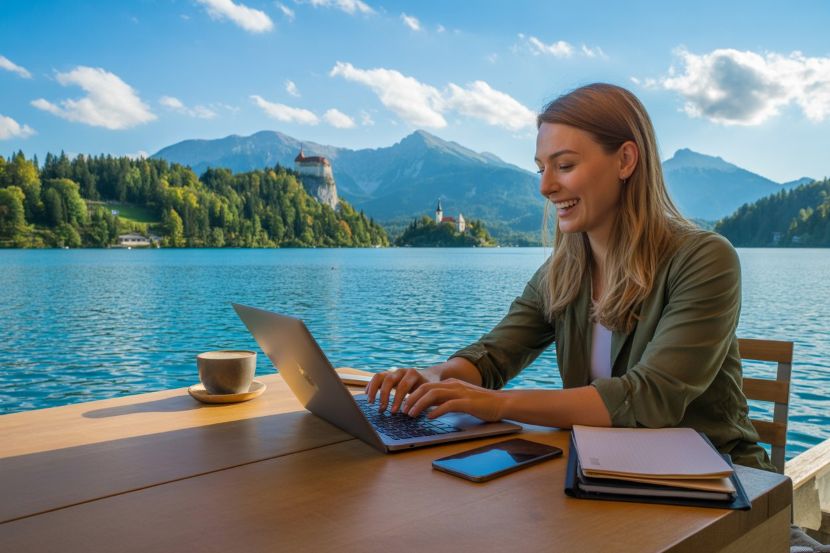
Slovenia, known for its picturesque landscapes and rich cultural heritage, is now welcoming Indian digital nomads through its newly launched Digital Nomad Visa. The visa, designed for remote workers from non-EU countries, including India, offers a unique opportunity to live and work in this stunning European country for up to 12 months. This new initiative is poised to significantly boost Slovenia’s tourism sector, drawing long-term visitors who wish to blend their professional and personal lives while experiencing the best of what the country has to offer.
The Digital Nomad Visa is part of Slovenia’s broader effort to diversify its tourism offerings, attracting long-stay visitors rather than just short-term tourists. By targeting remote workers, the country aims to increase both tourism revenue and engagement with local communities. According to the Slovenian Tourism Board, the introduction of this visa is aligned with their goal to make Slovenia a prime destination for those seeking a healthier work-life balance amidst nature and history.
The Slovenian government announced the visa’s availability in November 2025, creating an official channel for non-EU citizens to stay and work in Slovenia without the need for a traditional work permit. As of now, the visa program is specifically available to remote workers—including freelancers, contractors, and entrepreneurs—who earn their income remotely from companies or clients outside Slovenia. This aligns with Slovenia’s strategy to position itself as an attractive hub for global professionals in the digital age.
Eligibility and Application Process
To be eligible for Slovenia’s Digital Nomad Visa, applicants must meet several key requirements. First and foremost, they must be employed or self-employed and able to prove that their work is conducted remotely, with clients or employers based outside Slovenia. Applicants must also demonstrate a minimum income of €3,200 per month, which is about twice the average net salary in Slovenia, ensuring they can support themselves without entering the local job market.
The application process is straightforward, requiring applicants to submit documents such as proof of income, a clean criminal record, and valid health insurance covering the duration of their stay. Additionally, applicants will need to provide evidence of accommodation in Slovenia. Once the application is submitted through a Slovenian embassy or consulate, processing times may vary, and applicants should ensure they meet all requirements for a successful application.
Economic and Cultural Impact on Tourism
Slovenia’s digital nomad visa has been carefully designed to benefit both remote workers and the country’s tourism sector. Unlike typical short-term tourists who visit for only a few days or weeks, digital nomads can stay for up to 12 months, contributing to the local economy over an extended period. This long-term presence will encourage nomads to explore more of the country, participate in local activities, and contribute to businesses in Slovenia, particularly in the hospitality, dining, and entertainment sectors.
Remote workers will find Slovenia a perfect place to base themselves. With its abundant outdoor activities, such as hiking in the Julian Alps, cycling through the countryside, or unwinding at Lake Bled, Slovenia offers a perfect blend of relaxation and adventure. The capital city, Ljubljana, is known for its vibrant cultural scene, with numerous art galleries, museums, and festivals that attract tourists from around the world. The availability of high-speed internet and co-working spaces throughout Slovenia makes it a convenient base for remote workers who need to stay connected while enjoying a slower pace of life.
A Gateway to Europe
One of the major advantages of the Digital Nomad Visa is the ability to travel within the Schengen Area. Once approved for the visa, remote workers can not only explore Slovenia but also travel freely across the 28-nation Schengen zone without the need for additional visas. This feature adds immense value for digital nomads, who often use their travel experience as part of their lifestyle. The ability to easily move between countries like Austria, Italy, and Croatia increases Slovenia’s appeal to a global audience, offering them more opportunities for travel while still maintaining a home base in a smaller, more affordable country.
Encouraging Long-Term Travel
Slovenia’s digital nomad visa is also expected to help spread tourism throughout the year, especially in regions outside the traditional tourist hotspots like Ljubljana and Lake Bled. By attracting remote workers who stay for an extended period, the country can ensure that tourism revenue is distributed more evenly, benefiting local communities across the country. Slovenia’s tourist board has highlighted that this programme aligns with its commitment to sustainable tourism—encouraging longer stays, smaller group tourism, and reducing the environmental impact that comes with large, concentrated tourist crowds.
The visa program is not only beneficial to remote workers but also to the local economy, which will experience a positive influx of income from a global pool of visitors who are willing to spend time exploring different parts of Slovenia. Many visitors who may not have considered Slovenia as a long-term destination may now be drawn in by the opportunity to live and work from such an inspiring location.
Looking Ahead
With the launch of the Digital Nomad Visa, Slovenia is positioning itself as one of Europe’s most desirable destinations for remote workers. This visa allows Indian remote workers—and others from non-EU countries—the chance to live in a country that offers the best of both worlds: high-quality work opportunities and access to a unique cultural experience. Slovenia’s careful balancing of its natural beauty, history, and modern conveniences ensures that it will continue to be an attractive location for remote workers seeking an ideal mix of work and leisure.
