Published on
January 7, 2026

The travel industry loves to talk about obvious shifts: overtourism, sustainability, digital nomads, and experiential travel. But beneath these well-publicized narratives, quieter transformations are already reshaping how people plan, book, and experience travel—often without travelers even realizing it.
As airlines, hotels, tour operators, and destinations respond to economic pressure, climate realities, changing traveler psychology, and new technology, a new layer of travel behavior is emerging. These trends are not yet mainstream headlines, but by this year, they will directly influence where you go, how long you stay, how much you spend, and what kind of experiences you value.
Here are seven under-the-radar travel trends that most travelers are ignoring today—but that will fundamentally change how vacations look and feel this year.
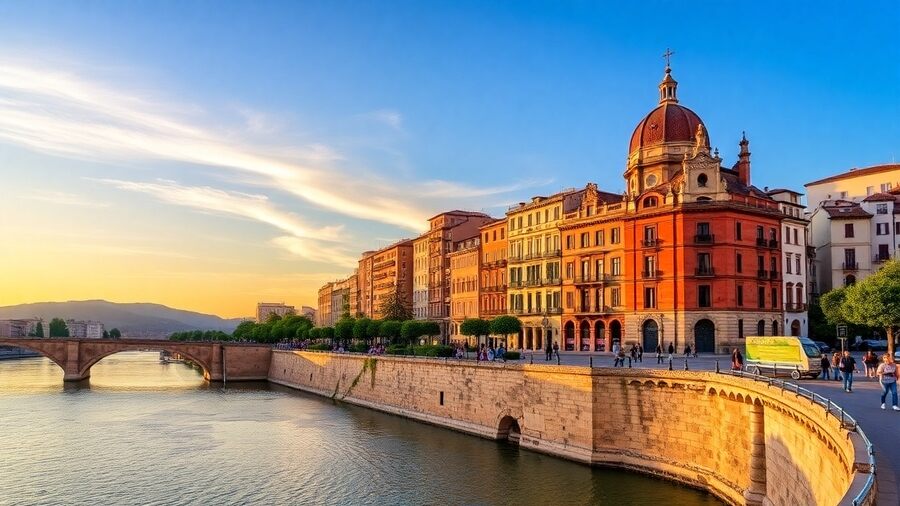
1. The Rise of “Second-Choice Destinations”Country Spotlight: Portugal
For decades, travel marketing has pushed travelers toward the same iconic destinations—Paris, Rome, London, New York. But this year, a subtle shift will accelerate: travelers will increasingly choose second-choice destinations, not because they are cheaper, but because they offer better overall value.
These destinations sit just outside traditional hotspots. They deliver similar culture, scenery, cuisine, and history—without the crowds, inflated pricing, or logistical frustration. Travelers aren’t “settling” anymore; they are intentionally optimizing.
Portugal is a prime example. While France and Italy struggle with overtourism and rising accommodation costs, Portugal has quietly positioned itself as an alternative European hub. Cities like Porto, Braga, and Coimbra offer rich history, walkable streets, and strong culinary identities without the intensity of mass tourism.
From an industry perspective, tourism boards are actively encouraging this trend. Airlines are adding direct routes to secondary cities. Hotel groups are investing in smaller urban centers. Tour operators are reframing itineraries to include less-visited regions.
For travelers, this means this year’s vacation planning will focus less on famous names and more on comparative value, where experience per dollar—and per minute—matters more than bragging rights.
2. “Slow Transit” Becomes Part of the ExperienceCountry Spotlight: Switzerland
Travel has long been about getting from point A to point B as fast as possible. That mindset is changing.This year, transportation itself will increasingly be viewed as an experience, not an inconvenience.
This trend—often called slow transit—includes scenic train journeys, overnight rail routes, ferries, and hybrid land-sea itineraries. Travelers are beginning to prioritize comfort, scenery, and emotional value over speed alone.
Switzerland leads this movement almost by accident. Its panoramic train routes—the Glacier Express, Bernina Express, and GoldenPass Line—have become attractions in their own right. Travelers are booking journeys specifically for the transit experience, not just the destination.
The travel industry is responding by packaging transit as a core product. Rail passes, reserved panoramic seating, and curated onboard dining are becoming central selling points. Even airlines are collaborating with rail networks to create seamless air-to-train itineraries.
This year, vacations will be planned not just around destinations, but around journeys worth remembering. The idea of rushing through airports will feel increasingly outdated compared to immersive travel from the moment the trip begins.
3. Hyper-Localized Travel Experiences Replace Big ToursCountry Spotlight: Japan
Large group tours once dominated international travel, offering convenience and predictability. But travelers are quietly moving away from standardized experiences toward hyper-localized travel, where the focus is on neighborhood-level immersion.
Rather than visiting “Japan” as a whole, travelers want to experience a specific district, street, or micro-culture. This shift is redefining how tours are designed and sold.
Japan illustrates this transformation perfectly. Instead of rushing through Tokyo, Kyoto, and Osaka in a week, travelers are now spending days in individual neighborhoods—Shimokitazawa for indie culture, Yanaka for old-town charm, or Kanazawa for regional craftsmanship.
Technology is fueling this trend. Translation apps, digital maps, and local booking platforms allow travelers to confidently navigate experiences once considered inaccessible without guides.
For the tourism industry, this means fewer mass excursions and more partnerships with local artisans, chefs, historians, and small businesses. This year’s traveler won’t ask, “What are the top sights?” but rather, “How do locals spend a Tuesday afternoon here?”
4. Travel Designed Around Mental Well-Being, Not LuxuryCountry Spotlight: Thailand
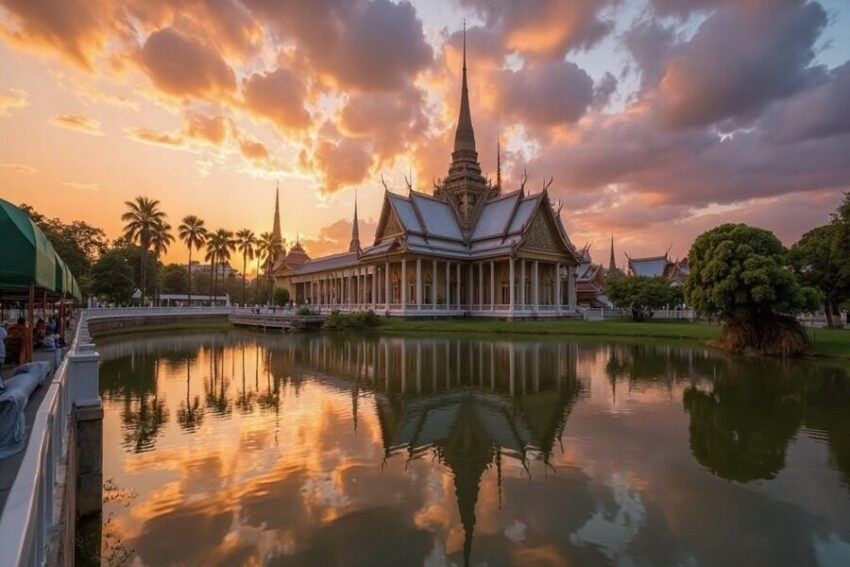
Luxury travel has traditionally been about indulgence—five-star hotels, premium dining, and exclusive access. But this year, the definition of “luxury” will continue shifting toward mental and emotional well-being.
Travelers are no longer chasing excess. They are seeking clarity, rest, and psychological renewal. This trend is less about spa treatments and more about designing itineraries that reduce stress rather than amplify it.
Thailand has become a global reference point for this movement. Beyond its famous resorts, the country offers meditation retreats, wellness villages, digital detox programs, and slow-paced coastal escapes that emphasize balance over opulence.
From an industry standpoint, hotels are redesigning spaces to reduce noise, improve sleep quality, and encourage mindfulness. Tour operators are incorporating downtime into itineraries instead of filling every hour with activities.
This year, successful vacations won’t be measured by how much travelers did—but by how restored they feel when they return.
5. Climate-Adaptive Travel Seasons Replace Peak TravelCountry Spotlight: Iceland
The concept of “high season” and “low season” is quietly being rewritten by climate realities. Extreme heat, unpredictable weather, and environmental stress are forcing both travelers and destinations to rethink when travel makes sense.
Rather than chasing traditional peak seasons, travelers are increasingly choosing climate-adaptive travel windows—times that offer safer temperatures, fewer crowds, and lower environmental impact.
Iceland demonstrates this shift clearly. Once marketed heavily for summer travel, the country now promotes shoulder seasons and winter experiences, such as northern lights tourism and geothermal exploration.
Tourism authorities worldwide are adjusting messaging to spread demand more evenly throughout the year. Airlines and hotels are offering incentives for off-peak travel that aligns with environmental sustainability goals.
This year, smart travelers won’t ask, “When is the best time to go?” They’ll ask, “When does this destination actually function best—for me and for the planet?”
6. “Unplanned Structure” Travel Takes Over ItinerariesCountry Spotlight: Italy
For years, travel advice emphasized detailed planning—hour-by-hour schedules, pre-booked attractions, and tightly controlled itineraries. But travelers are quietly rebelling against over-planning.
The emerging alternative is unplanned structure: trips with a loose framework but significant flexibility built in. Travelers define broad goals—regions, themes, durations—while leaving space for spontaneity.
Italy lends itself naturally to this approach. Travelers may book accommodation in Tuscany or Sicily, but leave daily plans open to local recommendations, seasonal events, or personal discoveries.
The tourism industry is adapting by offering flexible booking policies, modular experiences, and open-dated tickets. Instead of rigid packages, travelers are buying options.
This year’s vacations will feel less like checklists and more like stories unfolding in real time.
7. Personal Data Shapes Travel Decisions More Than InfluencersCountry Spotlight: United States
Influencer-driven travel content has dominated social media for years, but its impact is quietly fading. Travelers are growing skeptical of curated perfection and sponsored recommendations.
In its place, personal data-driven travel is emerging. Booking platforms, loyalty programs, and travel apps are increasingly using individual behavior—past trips, preferences, budgets, and even travel stress patterns—to recommend destinations and experiences.
The United States is at the forefront of this shift, with advanced travel tech ecosystems integrating AI-powered personalization across airlines, hotels, and attractions.
Rather than asking, “Where is everyone going?” travelers are asking, “What works best for me?” This leads to fewer copy-paste vacations and more individualized journeys.
This year, the most influential travel recommendation won’t come from social media—it will come from your own data.
The Bigger Picture: A Quieter Revolution in Travel
None of these trends feel revolutionary on their own. They are subtle, incremental, and often invisible to casual observers. But together, they represent a fundamental shift in how travel is conceived, marketed, and experienced.
Travel is becoming:
Less performative and more personalLess rushed and more intentionalLess about status and more about substance
The biggest mistake travelers can make is ignoring these shifts—because by the time they become obvious, the best experiences will already be in high demand.
Conclusion: The Quiet Travel Revolution You Can No Longer Ignore

The future of travel is no longer loud, rushed, or predictable. It is calm, thoughtful, and deeply personal. These emerging travel trends prove that the global travel and tourism industry is moving away from mass movement and towards meaningful journeys. Travellers are no longer chasing checklists. They are chasing comfort, balance, and real connection.
This year, vacations will be shaped by smarter choices. Second-choice destinations will feel richer than crowded icons. Slow travel will replace stressful rush. Wellness will matter more than luxury labels. Climate awareness will guide travel seasons. Flexible planning will bring freedom back to holidays. Personal data will outperform influencer hype.
This quiet revolution benefits everyone. Travellers gain better experiences. Destinations gain sustainability. The tourism industry gains resilience and long-term growth. Those who adapt early will enjoy calmer, richer, and more rewarding journeys.
Ignoring these travel trends means travelling the old way—expensive, crowded, and exhausting. Embracing them means discovering a smarter world of travel that respects both people and places.
The future of travel is already here. The only question is whether travellers are ready to follow it.
