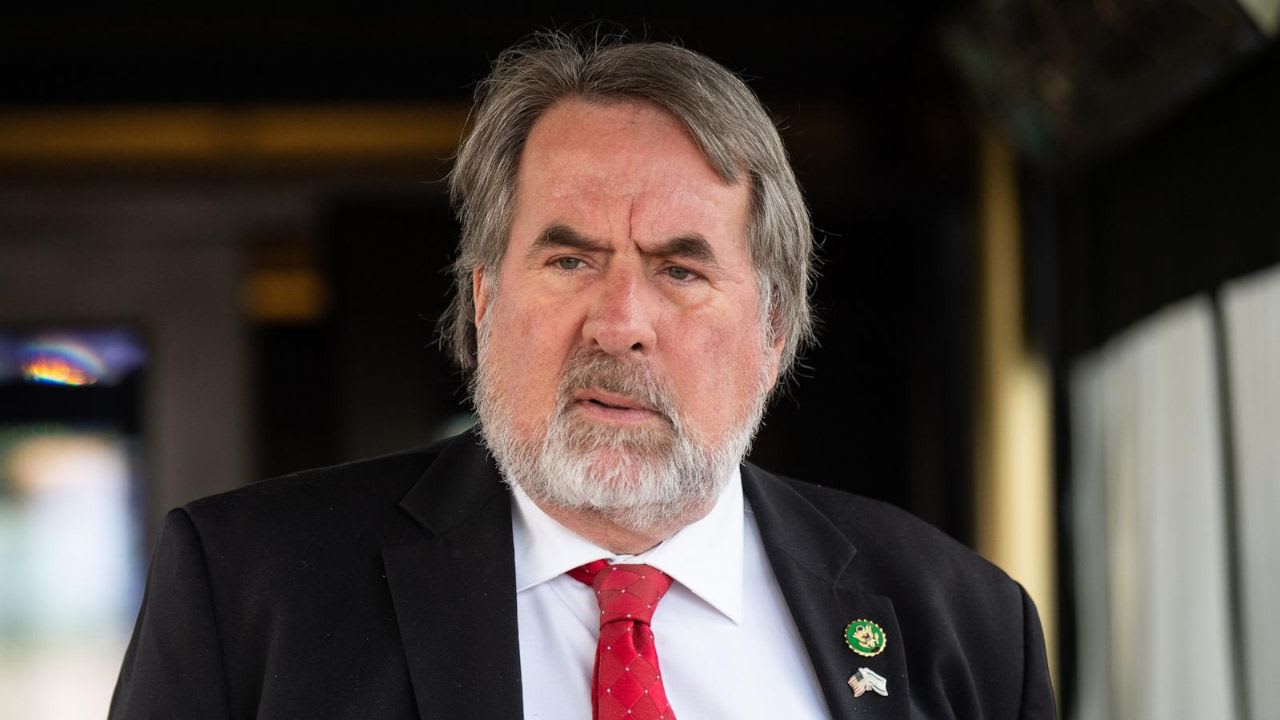
Politics often feels loud, crowded, and distant from everyday life. Yet far from major cities and cable news studios, a different kind of political story unfolds. It happens in farming towns, water districts, and county meetings where decisions shape daily survival. Doug LaMalfa has spent years operating in that quieter space. His name rarely trends, but his influence reaches deep into rural California. To understand his role is to understand a part of America that often feels unseen. This article looks beyond headlines to explore how Doug LaMalfa built his political identity, what he represents to his supporters, and why his work continues to stir strong feelings across California’s agricultural heartland.
Who Is Doug LaMalfa?
Doug LaMalfa is a Republican congressman representing California’s 1st Congressional District. This district covers a vast stretch of Northern California, including rural counties, forests, farms, and small towns.
Unlike many national figures, Doug LaMalfa did not rise through celebrity or media attention. His background is rooted in agriculture. He grew up in a farming family and continues to farm rice. That experience shapes both his language and his priorities.
For many voters in his district, this matters. They see him as someone who understands the pressures of water access, crop prices, and land use because he lives them himself.
Early Life and Agricultural Roots
Doug LaMalfa was born in California and raised in a farming environment. His family worked the land, and farming was not an abstract idea but daily labor.
This background created a practical worldview. Problems were approached through experience rather than theory. Weather, water, and regulation were not political talking points but real concerns that affected income and survival.
When Doug LaMalfa later entered public office, these experiences followed him. Supporters often point to his farming roots as proof that he understands rural struggles. Critics argue that this perspective can also limit his view on broader issues.
Entry Into State Politics
Before serving in Congress, Doug LaMalfa was involved in California state politics. He served in the State Assembly and later the State Senate.
At the state level, he built a reputation for focusing on agricultural policy, taxation, and land use. His voting record reflected a consistent alignment with rural and conservative values.
This period helped him establish long-term relationships with local leaders, farm groups, and water districts. These connections later became a foundation for his congressional career.
Representing California’s 1st District
California’s 1st District is geographically massive and politically distinct from coastal cities. It includes mountain regions, farming valleys, and communities that often feel ignored by Sacramento and Washington.
Doug LaMalfa’s appeal in this district comes partly from familiarity. He attends local events, speaks the language of agriculture, and frames national policy through local impact.
For example, when discussing environmental regulation, he often emphasizes how rules affect farmers and small towns. This framing resonates strongly with constituents who feel burdened by policies created far away.
Water Policy as a Central Issue
Water defines politics in much of California, and Doug LaMalfa has made it a central focus of his work.
Farmers in his district depend on reliable water supplies. Droughts, restrictions, and environmental protections create tension between conservation and survival.
Doug LaMalfa has consistently argued that water management policies favor urban and environmental interests over agriculture. He supports increased water storage and opposes regulations he believes reduce water availability.
Supporters see this as standing up for farmers. Critics argue that this approach underestimates long-term environmental risks. Either way, water remains one of the clearest examples of how his priorities align with rural concerns.
Environmental Disputes and Criticism
Doug LaMalfa’s stance on environmental policy has drawn significant criticism. Environmental groups often accuse him of resisting protections for ecosystems, wildlife, and public lands.
Issues such as forest management, endangered species, and climate policy place him at odds with many California lawmakers. He frequently argues that environmental rules can harm rural communities and increase wildfire risks.
These debates reveal a deeper divide. For Doug LaMalfa, environmental policy is often viewed through the lens of human impact. For critics, this approach misses broader ecological consequences.
Views on Climate Policy
Climate change is another area where Doug LaMalfa stands apart from many California representatives.
He has expressed skepticism toward certain climate policies, especially those that impose costs on farmers and rural businesses. He often emphasizes adaptation and local management over federal mandates.
This position aligns with many voters in his district who worry about economic survival more than long-term climate models. At the same time, it fuels criticism from those who see climate action as urgent and unavoidable.
Immigration and Border Issues
Although his district is far from the southern border, Doug LaMalfa has taken strong positions on immigration.
He supports stricter border enforcement and criticizes federal immigration policies he believes strain local resources. His arguments often focus on law enforcement and economic impact.
In rural communities, immigration is a complex issue. Agricultural labor depends heavily on immigrant workers, yet concerns about regulation and legality remain strong. Doug LaMalfa navigates this tension by emphasizing enforcement while supporting legal agricultural labor programs.
Relationship With National Republican Politics
Doug LaMalfa is generally aligned with the Republican Party at the national level. He has supported conservative leadership and policy priorities in Congress.
However, his focus remains heavily local. He often frames national debates in terms of how they affect Northern California farmers, landowners, and small towns.
This balance allows him to maintain party loyalty while preserving a distinct regional identity. It also explains why he may avoid some national media attention that other lawmakers seek.
Voting Record and Legislative Style
Doug LaMalfa’s voting record reflects consistency. He tends to oppose federal expansion, increased regulation, and higher taxes.
His legislative style is not flashy. He sponsors and supports bills related to agriculture, water infrastructure, forestry, and rural development.
Rather than dramatic speeches, his work often happens through committees and negotiations. This low-profile approach suits his district but limits broader recognition.
Supporters’ Perspective
Supporters of Doug LaMalfa often describe him as steady and reliable. They value his predictability and his focus on local needs.
Farmers appreciate his opposition to regulations they see as harmful. Rural residents feel he understands their way of life in a state dominated by urban politics.
For these voters, Doug LaMalfa represents resistance to policies imposed without rural input. His presence in Congress feels like protection against being overlooked.
Critics’ Perspective
Critics argue that Doug LaMalfa’s positions ignore environmental realities and social responsibility. They see his resistance to regulation as short-sighted.
Environmental advocates accuse him of prioritizing industry over ecosystems. Some social policy critics believe his views are out of step with a changing California.
These criticisms highlight a broader conflict between rural and urban priorities. Doug LaMalfa sits firmly on one side of that divide.
Media Visibility and Public Image
Doug LaMalfa does not seek the spotlight. His media appearances are usually tied to specific policy issues rather than personal branding.
This has advantages and drawbacks. Supporters see authenticity. Critics say his low profile avoids accountability.
In an era of constant online presence, his approach feels old-fashioned. Yet it aligns with the preferences of many in his district.
The Role of Faith and Values
Personal values play a strong role in Doug LaMalfa’s public life. He often references traditional principles when discussing policy.
Issues such as family, religious freedom, and personal responsibility appear in his speeches and voting decisions.
For supporters, this reinforces trust. For critics, it raises concerns about inclusivity and separation of personal belief from public policy.
Rural Representation in a Changing State
California is often seen as politically uniform, but regions like Doug LaMalfa’s district tell a different story.
Rural areas face declining populations, limited services, and economic uncertainty. Representation that focuses on these challenges feels essential to residents.
Doug LaMalfa’s career highlights how rural voices persist even as state politics shift. His continued re-election reflects that connection.
Wildfires and Forest Management
Wildfires have devastated Northern California communities. Doug LaMalfa frequently addresses forest management as a contributing factor.
He argues that restrictions on logging and land management increase fire risk. His proposals often include increased thinning and local control.
This position resonates with residents who have lost homes and livelihoods. Environmental groups caution that such approaches require careful balance.
Economic Concerns in Rural California
Beyond agriculture, Doug LaMalfa focuses on rural economies more broadly. Issues like infrastructure, energy costs, and small business survival appear regularly in his work.
He supports policies that reduce costs for rural communities, arguing that urban-focused legislation often overlooks these realities.
This economic lens shapes his opposition to many statewide and federal initiatives.
Education and Rural Schools
Education in rural areas faces unique challenges, from funding to access. Doug LaMalfa has addressed these issues through support for local control.
He argues that rural schools should not be forced into models designed for large urban districts.
This approach aligns with his broader philosophy of localized decision-making.
How Doug LaMalfa Fits Into American Politics
Doug LaMalfa represents a type of politician that often fades into the background of national debate but remains deeply influential locally.
His career shows how political power does not always require attention. Consistency, familiarity, and alignment with constituents can be enough.
In many ways, he reflects the endurance of regional politics in a nationalized system.
Future Challenges Ahead
The issues Doug LaMalfa focuses on are not going away. Water scarcity, climate pressure, and rural decline will only intensify.
How he adapts his approach may shape his legacy. Continued resistance may satisfy supporters but increase isolation within California politics.
At the same time, changing demographics could challenge his long-held base.
Why Doug LaMalfa Still Matters
Even those who disagree with Doug LaMalfa cannot ignore his role. He speaks for a part of California that often feels unheard.
Understanding his perspective helps explain broader tensions in American politics. Rural versus urban. Local control versus federal policy.
His story is less about personality and more about place.
Final Thoughts on Doug LaMalfa
Doug LaMalfa’s career is not defined by viral moments or sweeping speeches. It is shaped by steady alignment with rural life and agricultural identity.
To his supporters, he is a necessary voice. To his critics, a symbol of resistance to change.
Either way, Doug LaMalfa remains a reminder that politics is not only about national trends. It is also about fields, forests, and communities far from the spotlight.