For decades, many assumed that energy markets, though imperfect, ultimately responded to supply, demand and price signals. That assumption is becoming harder to sustain. Energy functions less as a neutral commodity and more as a strategic asset, deployed alongside sanctions, trade restrictions and security partnerships.
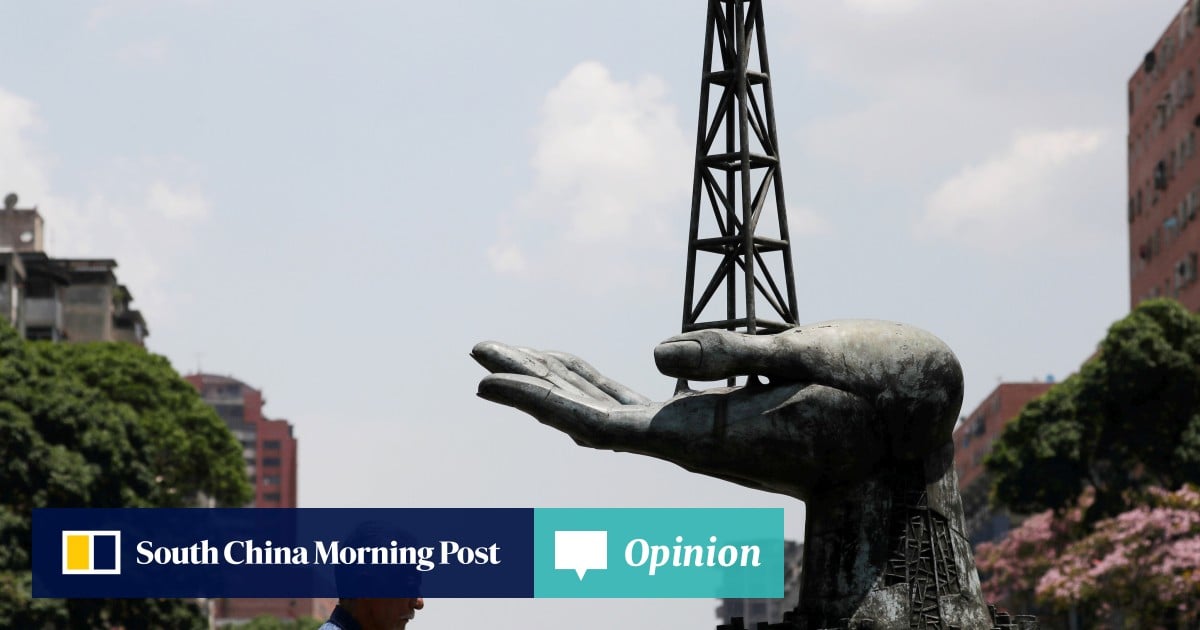
Venezuela’s removal from the global energy system did not begin with recent events; it has been developing for years. Recent developments confirm, rather than create, this reality.
From a political economic perspective, major confrontations rarely begin with open conflict. They are typically preceded by precautionary adjustments: efforts to secure alternative supplies, reduce exposure and manage risk. Energy sits at the centre of this process. The US tendency to treat energy flows as a geopolitical variable rather than a market outcome reflects this logic, and will deepen particularly as its economic rivalry with China grows.