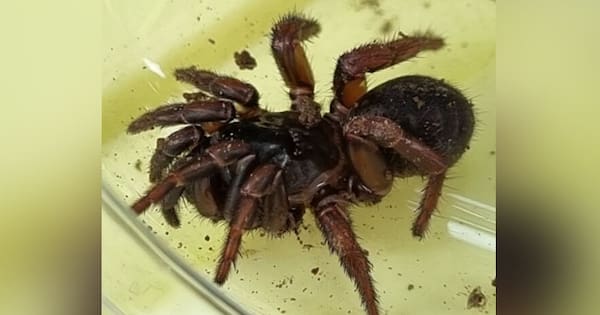
A Taranaki biologist is “over the moon” after discovering a potential new species of trapdoor spider.
Taranaki Regional Council biodiversity officer Sandra Sánchez was monitoring flora and fauna at the Mataitawa Bush Key Native Ecosystem when she spotted some small, unusual tunnels.
A closer look revealed an unfamiliar Idiopidae or trapdoor spider.
After uploading photographs of the find to iNaturalistNZ, she was contacted by Te Papa PhD student Shaun Thompson, who suspected it was a new species.
“Finding a new species is every biologist’s dream so I was over the moon when Shaun got in touch to say it is likely a new species of trapdoor spider,” she said.
Sánchez said she was also “delighted” for the landowners’ efforts working to protect the remnants of the forest.
“I know Shaun is excited too as it’s not every day he gets to describe a new species of spider.
“It was a special day for everyone involved.”
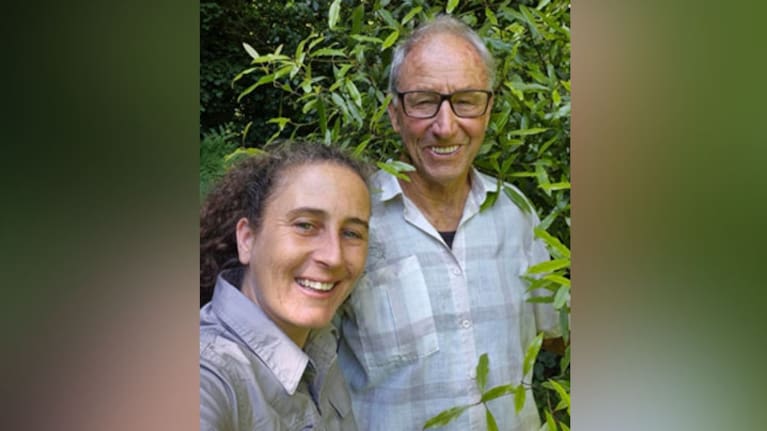
Thompson suggested her discovery be named the Taranaki trapdoor spider once it was correctly identified, Sánchez said, which “might take a couple of years”.
The new species was believed to be closely related to Cantuaria wanganuiensis, and was distinctive due to patterning on the abdomen. They lived underground in burrows with a lid/trapdoor over the entrance, where they ambushed insects walking too close to their home.
The discovery meant the arachnoid was the most northern distribution of Cantuaria so far discovered in New Zealand.
Diverse and abundant in most ecosystems, spiders were important as they helped regulate the populations of insects and served as prey for birds and lizards helping maintain ecological balance.
“All native species in an ecosystem are important and interconnected, including spiders who play a vital role as key predators of insects,” Sánchez said.