Published on
January 7, 2026
Slovenia has joined Hungary, Greece, Malta, Estonia, Spain, and more nations in fueling Europe’s tourism boom by introducing its new digital nomad visa, designed to attract global remote professionals. This strategic move provides a unique opportunity for remote workers to live and work in Slovenia for up to 12 months, while enjoying the added benefit of free movement across the Schengen Area. By offering the flexibility to combine work with travel, Slovenia is not only positioning itself as a leading destination for digital nomads but also significantly contributing to the continent’s expanding tourism industry.
In recent years, Europe has seen an influx of remote workers, leading several countries to adapt their immigration policies to accommodate the growing trend of digital nomadism. Among the leaders in this shift is Slovenia, which has introduced its own digital nomad visa, allowing non-EU nationals, particularly Indian remote professionals, to live and work in the country for up to 12 months. This innovative move not only strengthens Slovenia’s position in the growing digital nomad scene but also contributes significantly to the continent’s tourism growth. By combining remote work with the opportunity to explore Europe, Slovenia’s visa is poised to appeal to a broad global audience. It joins several European nations in empowering tourism and remote work integration.
As the landscape for digital nomad visas expands across Europe, Slovenia’s initiative is a testament to the growing trend of flexible work arrangements and international mobility, benefiting both professionals and tourism industries across the continent.
Slovenia’s Digital Nomad Visa: A New Era for Remote Work and Tourism
Launched on November 21, 2025, Slovenia’s digital nomad visa is designed to accommodate remote employees, freelancers, and business owners who work for organizations or clients outside the country. What sets Slovenia’s program apart is its flexibility, granting remote professionals the freedom to reside in the picturesque country for 12 months, with the option to bring along their immediate family members, subject to meeting residency requirements.
A key advantage of Slovenia’s visa is its compatibility with the Schengen Area, allowing visa holders to freely travel across 29 European countries. This additional perk makes Slovenia particularly attractive to those looking to balance work commitments with exploration across some of Europe’s most iconic destinations.
The program is not only designed to cater to digital nomads but also to stimulate Slovenia’s tourism industry by attracting a steady influx of international travelers, remote workers, and their families, helping to boost the economy through both extended stays and tourism-related spending.
Eligibility Requirements for Indian Applicants
For Indian nationals seeking to take advantage of Slovenia’s digital nomad visa, there are several eligibility requirements:
Remote Work Proof: Applicants must demonstrate that they are actively engaged in remote work for companies or clients based outside Slovenia, which can include remote employees, freelancers, and business owners.
Financial Stability: One of the critical requirements is proving financial stability. Applicants must show a minimum monthly income of €3,200 (about double Slovenia’s average net salary), ensuring they can financially support themselves without entering the local labor market.
Clean Criminal Background: As part of the application process, applicants must submit a clean criminal background check from their country of origin.
Health Insurance: International health insurance, covering the entire stay in Slovenia, is mandatory for all applicants.
By ensuring applicants meet these requirements, Slovenia aims to ensure that digital nomads contribute positively to the local economy and do not put a strain on public services.
A Strategic Destination for Remote Professionals
Slovenia’s digital nomad visa is a part of a broader trend sweeping across Europe. As the pandemic accelerated the shift toward remote work, the need for visa schemes tailored to remote professionals became more apparent. Slovenia, with its strong infrastructure, stunning landscapes, and strategic location in Central Europe, offers an ideal environment for remote workers.
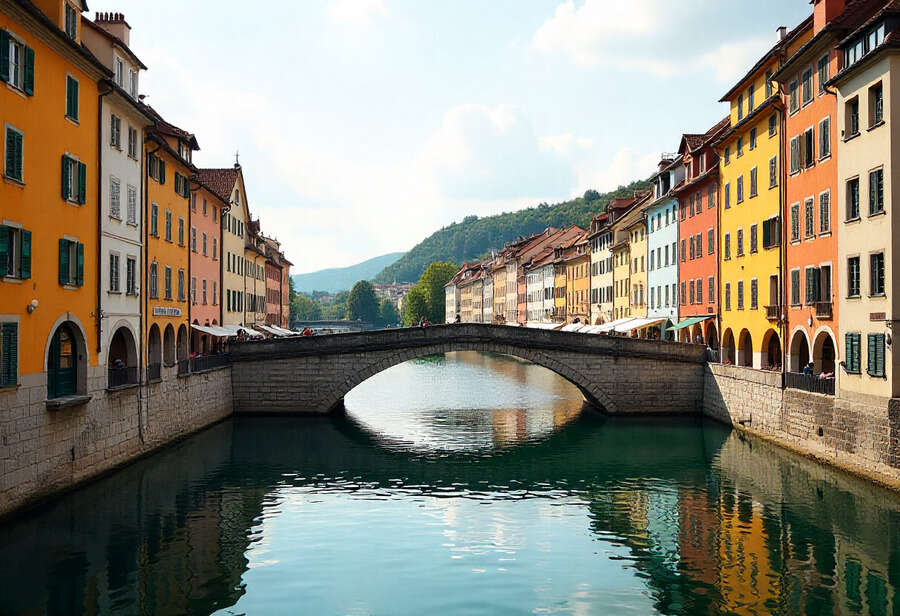
The visa not only attracts professionals looking to work from Europe but also taps into the growing demand for long-term travel opportunities. With a population of just over 2 million people, Slovenia offers a more intimate and relaxed environment compared to other European hubs like Germany or France. Its natural beauty — from picturesque lakes and mountains to charming medieval towns — makes it an ideal destination for combining work and leisure.
Slovenia Joins a Growing List of Digital Nomad-Friendly Nations in Europe
Slovenia’s introduction of a digital nomad visa aligns it with a growing list of European countries that have introduced similar programs. The rise of these visas is a response to the global shift toward remote work, offering professionals the chance to balance work, travel, and personal life in some of the world’s most beautiful and culturally rich destinations.
Here’s a closer look at the other European nations that have either introduced or enhanced their digital nomad visa programs around 2025:
Hungary
Hungary, which had already rolled out its “White Card” digital nomad visa for non-EU nationals, has further refined its program to attract more remote workers. The program provides the flexibility of a one-year stay with the possibility of extension, allowing applicants to enjoy the country’s rich history, affordable living, and great work-life balance. Remote workers can also travel freely within the Schengen Area during their stay, making Hungary an attractive base for exploring Europe.
Greece
Greece, known for its sunny landscapes and stunning islands, introduced a digital nomad visa designed to support remote professionals. The visa, launched a few years ago and refined in 2025, allows applicants to stay in Greece for up to two years. The program is ideal for those who want to combine their work with a Mediterranean lifestyle, offering world-class cuisine, historical sites, and a slower pace of life. Greece’s beautiful islands, such as Santorini and Crete, are particularly appealing to remote workers seeking a vibrant environment with a relaxing atmosphere.
Malta
Malta is another Mediterranean gem that launched a digital nomad visa, which has been expanded in 2025. This visa offers the opportunity for long-term stays in a nation that boasts a rich cultural heritage, excellent internet infrastructure, and English as one of its official languages. Malta’s visa program allows remote workers to stay for up to one year, with the potential for extension. The country’s combination of work opportunities, affordable living, and stunning coastal landscapes has made it a hotspot for digital nomads.
Estonia
Estonia, a pioneer in digital innovation, was among the first European nations to introduce a digital nomad visa. While its program launched earlier, Estonia continues to attract remote workers with its e-residency program and flexible visa options. The country’s digital-first approach to governance and business makes it an ideal destination for professionals working remotely. Estonia’s capital, Tallinn, is also a hub for technology startups and offers remote workers the perfect mix of professional networking and leisure.
Spain
Spain has long been a popular destination for tourists, but in recent years, it has also become a leader in attracting remote workers. Spain’s digital nomad visa, introduced as part of a broader economic reform plan, allows remote workers to stay for up to one year, with the possibility of extending their visa for an additional two years. Spain is known for its beautiful beaches, rich cultural scene, and laid-back lifestyle, making it a perfect place for those seeking a balance between work and leisure.
The Impact of Digital Nomad Visas on Europe’s Tourism Growth
The rise of digital nomad visas across Europe has had a tangible impact on the tourism sector. Countries like Slovenia, Hungary, Greece, Malta, Estonia, and Spain are positioning themselves as key players in the global digital nomad scene, attracting talent from around the world. Remote workers, who are no longer bound by traditional office spaces, now have the freedom to choose where they want to live and work.
This shift has led to a surge in long-term stays in these countries, helping to revitalize local economies and attract international visitors. Beyond their professional roles, remote workers spend money on local services, housing, food, and entertainment, all of which contribute to the broader tourism economy.
Moreover, the mobility offered by these visas — allowing digital nomads to travel across the Schengen Area — further increases their engagement with multiple destinations, enriching the travel experience and encouraging cross-border tourism.
The Future of Europe’s Digital Nomad Landscape
As the global workforce continues to shift toward remote work, Europe’s digital nomad visa programs will only become more important in attracting international talent. Slovenia’s introduction of its digital nomad visa is a key milestone in a larger trend that sees European countries striving to create welcoming environments for remote professionals.
Countries across Europe are expected to continue refining and expanding their digital nomad programs in the coming years. With the added advantages of flexibility, financial independence, and the ability to travel freely, these programs are set to remain a major factor in the tourism growth that Europe will experience in 2025 and beyond.
Whether for work, travel, or both, Slovenia and its European counterparts have created an ecosystem where remote work meets the desire to experience the best of Europe, making them prime destinations for global professionals looking to balance career aspirations with life exploration.
Slovenia joins Hungary, Greece, Malta, Estonia, Spain, and more nations in powering Europe’s tourism boom with its new digital nomad visa, offering remote professionals the chance to live and work in the country for up to 12 months while enjoying the freedom to explore the entire Schengen Area. This initiative enhances Slovenia’s appeal as a prime destination for digital nomads, driving tourism and economic growth.
Slovenia, joining Hungary, Greece, Malta, Estonia, Spain, and more nations, marks a new era in Europe’s tourism landscape. With the introduction of digital nomad visas, these countries are not only fostering remote work opportunities but also driving tourism growth through the arrival of skilled professionals eager to explore and contribute to the European experience. For digital nomads, Europe is no longer just a place to visit — it’s a place to live, work, and thrive.
