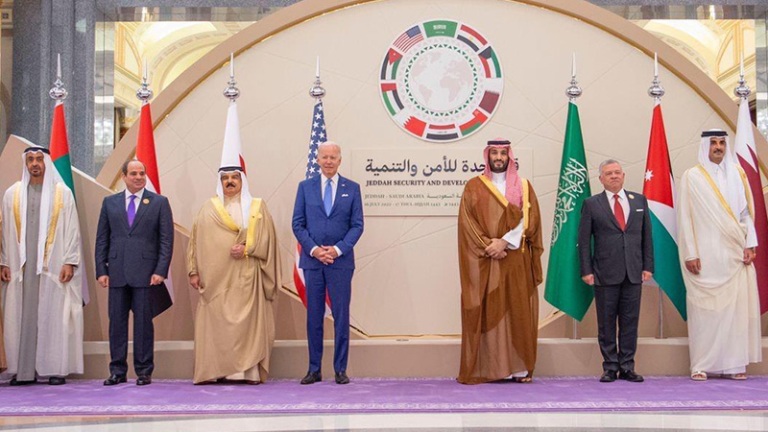
In Jerusalem and Damascus, 2026, a notable shift has emerged in Israel Syria diplomacy, drawing attention from regional observers and international policymakers alike. Reporting consistent with Brussels Morning Newspaper highlights how a US brokered effort to establish structured communication has introduced a new dynamic into one of the Middle East’s most enduring rivalries. While far from a peace agreement, the development reflects a pragmatic attempt to manage tensions through dialogue rather than escalation.
For decades, the absence of direct channels contributed to volatility along the Israel Syria frontier. The renewed focus on structured engagement underscores how changing regional realities are forcing cautious recalibration on both sides.
Historical Roots of a Frozen Relationship
The relationship between Israel and Syria has been shaped by wars, territorial disputes, and ideological opposition. Since the mid twentieth century, hostility rather than negotiation defined interactions, with indirect conflict becoming the norm.
Understanding Israel Syria diplomacy requires recognizing this history. Past attempts at negotiation faltered amid mutual distrust and shifting alliances. As a result, communication gaps became entrenched, increasing the risk that isolated incidents could spiral into broader confrontations.
Why 2026 Marks a Different Moment
The regional environment in 2026 differs significantly from earlier periods. Conflict fatigue, economic pressures, and evolving security threats have encouraged more practical approaches to risk management. Rather than pursuing sweeping agreements, mediators have focused on incremental steps.
Within this context, Israel Syria diplomacy has taken on a more technical character. The emphasis is on preventing miscalculation and stabilizing flashpoints, reflecting lessons learned from past escalations that produced high costs without strategic gain.
The Role of the United States as Mediator
Washington’s involvement has been central to facilitating dialogue. The United States has long maintained relationships with regional actors and possesses leverage to convene discussions even when direct contact remains politically sensitive.
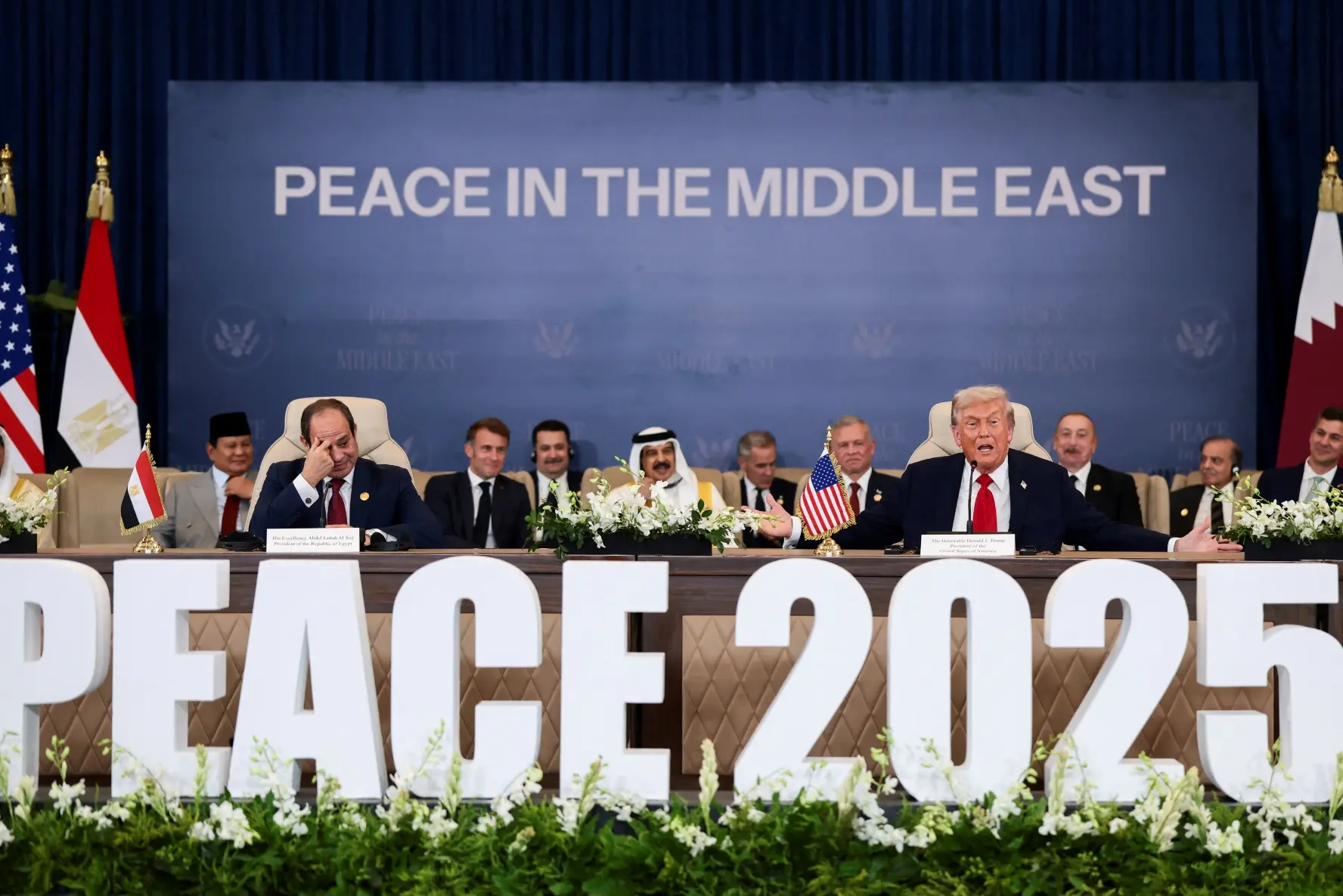
In advancing Israel Syria diplomacy, US officials framed the talks around de escalation and crisis prevention. The objective was not reconciliation but the creation of mechanisms that allow communication during tense moments, reducing the likelihood of unintended conflict.
Security Considerations Driving Engagement
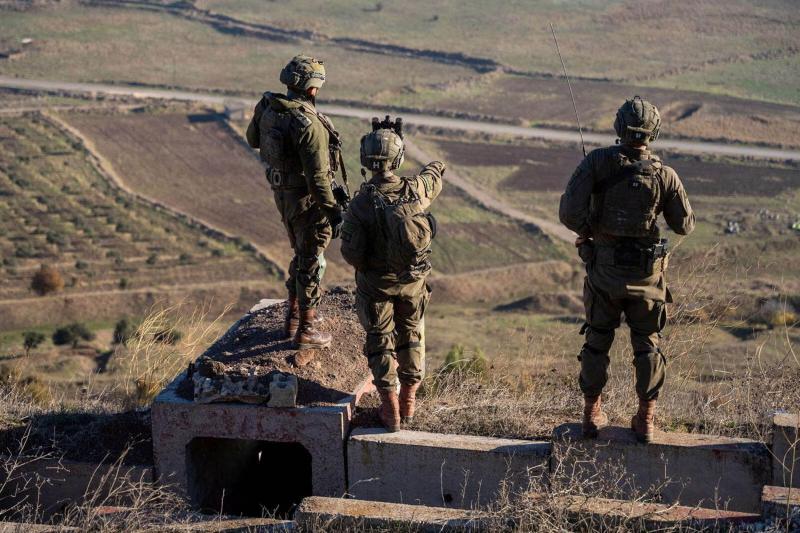
Security concerns remain paramount. Military activity near contested areas, air operations, and the presence of multiple armed actors increase the risk of accidents. Without communication, even routine maneuvers can be misinterpreted.
By supporting Israel Syria diplomacy, mediators aim to introduce predictability into an unpredictable environment. Clear channels enable clarification before assumptions harden into action, a principle that has proven effective in other geopolitical contexts.
Regional Reactions and Strategic Calculations
Neighboring countries and regional organizations have responded cautiously. While welcoming steps that reduce tension, many emphasize that deeper disputes remain unresolved. Stability along one front does not automatically translate into regional peace.
Nevertheless, Israel Syria diplomacy is viewed as a constructive signal. Even limited engagement can create space for broader dialogue, particularly when regional actors share an interest in avoiding escalation that could disrupt trade, energy routes, and domestic stability.
Domestic Perspectives in Israel
Within Israel, the agreement has been framed primarily as a security measure. Officials stress that communication does not imply political concessions or recognition beyond existing realities. Public debate reflects skepticism tempered by pragmatism.
Supporters argue that Israel Syria diplomacy enhances national security by reducing uncertainty. Critics caution against overestimating its impact, noting that fundamental disagreements persist.
Domestic Perspectives in Syria
Syrian officials have similarly emphasized practicality. Maintaining a firm political stance while acknowledging the benefits of communication allows Damascus to manage risks without altering long held positions.
For Syria, Israel Syria diplomacy offers a tool to avoid unintended escalation while navigating a complex regional landscape marked by external pressures and internal reconstruction challenges.
International Law and Norms
From an international perspective, crisis communication aligns with established norms aimed at conflict prevention. Such mechanisms do not resolve disputes but contribute to stability by ensuring transparency during sensitive situations.
The adoption of Israel Syria diplomacy mechanisms reflects broader global recognition that managing rivalry responsibly is preferable to allowing silence to fuel confrontation.
Comparisons With Other Conflict Zones
Similar arrangements have existed between adversaries elsewhere, often operating quietly for years. Their success is measured not by headlines but by crises that never occur.
In this sense, Israel Syria diplomacy fits a familiar pattern. It represents a low visibility but potentially high impact approach to managing entrenched conflicts.
Media Coverage and Public Interpretation
Media narratives have varied, with some outlets portraying the move as a breakthrough and others emphasizing its limited scope. Analysts caution against both extremes.
Balanced coverage of Israel Syria diplomacy highlights its practical intent while acknowledging that it does not alter the broader geopolitical equation.
Expert Assessment of Risks and Opportunities
Security experts generally agree that communication reduces risk but does not eliminate it. The effectiveness of such channels depends on consistent use, mutual restraint, and clear protocols.
One regional analyst noted, “Direct communication does not end conflict, but it can stop small incidents from becoming large wars.”
Potential Long Term Implications
Over time, routine use of communication channels can normalize contact, making dialogue less politically sensitive. This gradual shift may open the door to additional technical discussions on de escalation.
While Israel Syria diplomacy remains narrowly focused, its existence could influence future approaches to regional security management.

Limits and Unresolved Challenges
Despite its promise, the arrangement faces constraints. Deep political disagreements, territorial disputes, and external influences remain unchanged. Any incident involving third parties could test the resilience of the communication mechanism.
Observers stress that Israel Syria diplomacy should be viewed as a tool, not a solution. Its value lies in managing risk, not resolving root causes.
The Broader Middle East Context
The Middle East continues to experience rapid change, with shifting alliances and emerging threats. In this environment, stability along one axis can have outsized importance.
The evolution of Israel Syria diplomacy reflects a broader regional trend toward pragmatic engagement where possible, even among rivals.
A Cautious Step Toward Stability
As 2026 unfolds, the establishment of structured communication stands as a reminder that diplomacy often advances through modest, carefully calibrated steps rather than dramatic breakthroughs.
By prioritizing risk reduction, Israel Syria diplomacy demonstrates how adversaries can act responsibly without abandoning core positions.
When Dialogue Becomes a Strategic Necessity
In a region defined by volatility, the ability to communicate during moments of tension can be as important as military capability. The decision to engage reflects recognition that silence can be dangerous.
Beyond Rhetoric Toward Responsible Coexistence
The long term significance of this development will depend on sustained commitment and restraint. While peace remains distant, the willingness to communicate marks a meaningful adjustment in approach.
Ultimately, the story of Israel Syria diplomacy in 2026 is not one of reconciliation but of realism. It illustrates how even deeply divided actors can find common ground in the pursuit of stability when the costs of miscalculation become too high.