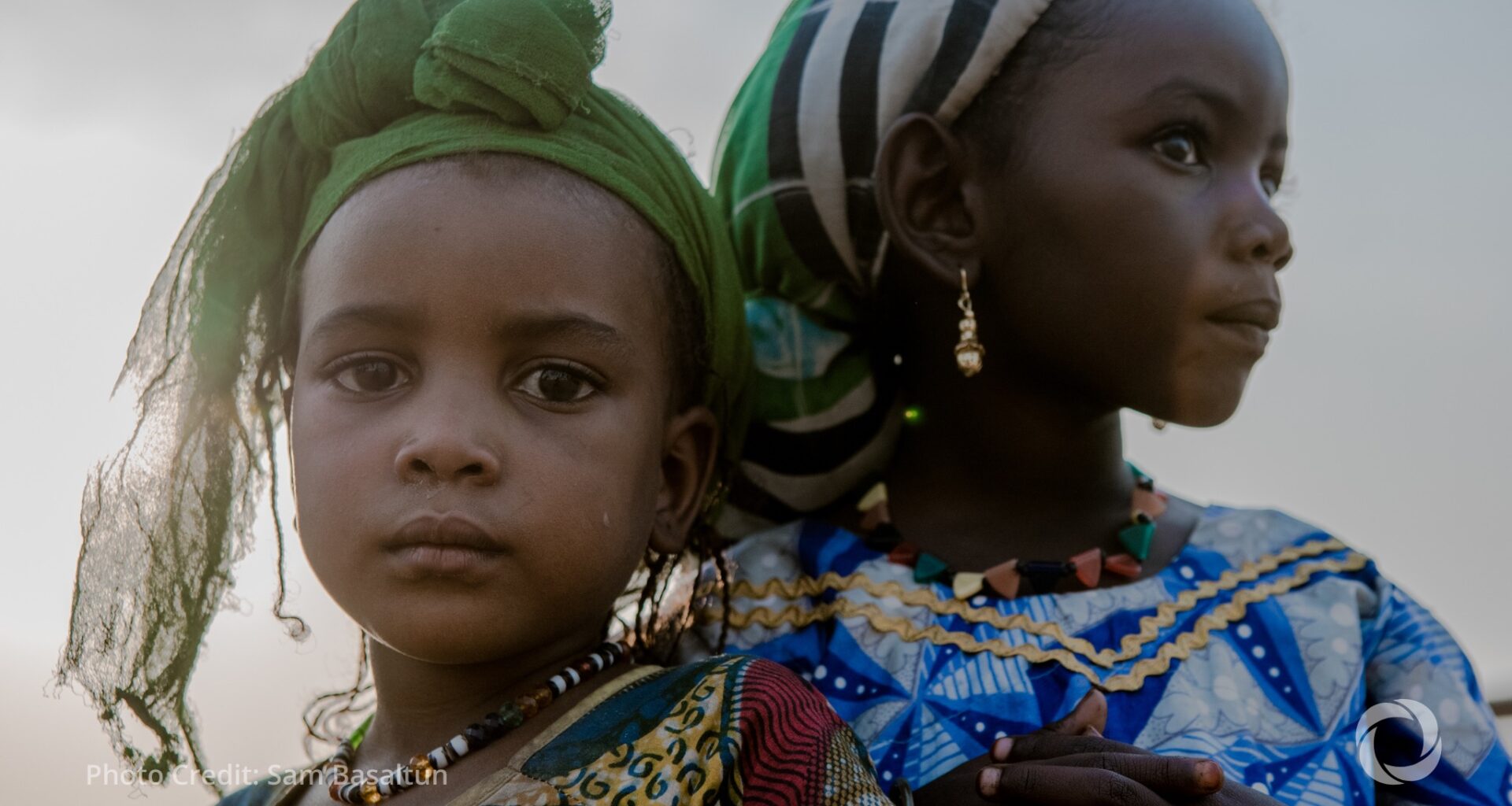
As Burundi grapples with a sharp rise in displacement linked to renewed violence in eastern Democratic Republic of the Congo, emergency food assistance has received a critical boost. The World Food Programme has welcomed a contribution of more than US$625,000 from the Government of Japan to support refugees fleeing conflict in eastern DRC and Burundians returning home from long-standing refugee camps in Tanzania.
In December alone, Burundi received around 85,000 refugees escaping escalating insecurity across the border. The sudden influx has placed immense strain on already stretched humanitarian operations. In response, WFP rapidly scaled up its emergency response, providing hot meals and dry food rations to approximately 80,000 newly arrived refugees. With this latest wave of displacement, the agency is now supporting roughly double the number of refugees with the same limited resource base.
Jean-Noel Gentile, WFP Country Director in Burundi, said the Japanese contribution had come at a decisive moment for families arriving with little more than what they could carry. He noted that the funding would enable WFP, working closely with the Government of Burundi, to deliver life-saving food assistance that protects dignity and meets urgent needs during a period of acute humanitarian pressure.
The situation is expected to intensify further in the coming months. Up to 93,000 Burundian returnees are projected to arrive from refugee camps in Tanzania by mid-2026 following planned camp closures. At present, around 1,500 returnees are entering the country each week, a figure that could rise to as many as 3,000 per week, adding further strain to food assistance programmes and host communities.
Japan’s Ambassador to Burundi, Mr Kazuya Nakajo, said the Embassy was honoured to support the urgent food needs of both refugees from DRC and Burundian returnees from Tanzania. He emphasised that Japan’s humanitarian assistance is guided by the principle of human security, with a focus on dignity, human-centred cooperation, and solidarity with people facing crisis.
Japan has been a consistent partner in Burundi’s humanitarian response. Since 2016, the Government of Japan has contributed approximately US$16 million to WFP operations in the country. The latest funding forms part of a broader US$1 million allocation supporting both WFP and UN Women in assistance efforts for refugees from DRC and returnees from Tanzania.
For Burundi, a country still rebuilding from its own history of displacement and instability, the renewed arrival of refugees and returnees underscores both vulnerability and resilience. Across Africa, such movements reflect the continent’s complex humanitarian realities, shaped by conflict, regional interdependence, and limited resources. Yet they also highlight the importance of sustained international solidarity. As one of Africa’s youngest nations continues to navigate these pressures, timely support remains essential not only to save lives today, but to give displaced families the chance to rebuild with dignity and hope for the future.
Burundi refugees, DRC refugees Burundi, WFP Burundi, Japan humanitarian aid Africa, Burundi returnees Tanzania, food assistance Burundi, World Food Programme Africa, eastern DRC violence refugees, humanitarian crisis Burundi, refugee food aid Africa, Japan WFP partnership, UN humanitarian aid Burundi, refugee influx Burundi, displacement in Great Lakes Africa, food insecurity Burundi, emergency food assistance Africa, refugees from DRC, returnees from Tanzania, Burundi humanitarian response, UN aid Burundi, Africa refugee crisis, Japanese aid Africa, humanitarian funding Burundi, refugee camps Burundi, WFP food distribution, conflict displacement Africa, humanitarian assistance Great Lakes, Burundi refugee support, emergency relief Africa, food aid refugees, UN Women Burundi, humanitarian partnerships Africa, refugee return Burundi, Tanzania refugee camp closures, crisis response Burundi, Africa humanitarian news, UN operations Burundi, refugee arrivals Burundi, food security Africa, aid for displaced Africans, Japan UN cooperation, refugee dignity and aid, humanitarian solidarity Africa, post conflict returnees, Africa displacement trends, Burundi crisis support, international aid Africa, refugee assistance funding, emergency response Africa, Great Lakes humanitarian situation, refugee livelihoods Burundi, UN agencies Africa, humanitarian donors Africa, refugee protection Burundi, food relief programmes Africa, humanitarian development link, regional instability Africa, displacement eastern DRC, Burundi recovery efforts, Africa humanitarian challenges, UN food aid, refugee crisis reporting Africa, Japan foreign aid Africa, Burundi emergency assistance, humanitarian operations Africa, refugee hosting countries Africa, aid pressure Burundi, humanitarian funding gap Africa, refugee support systems Africa, UN emergency response
Related