Published on
January 8, 2026
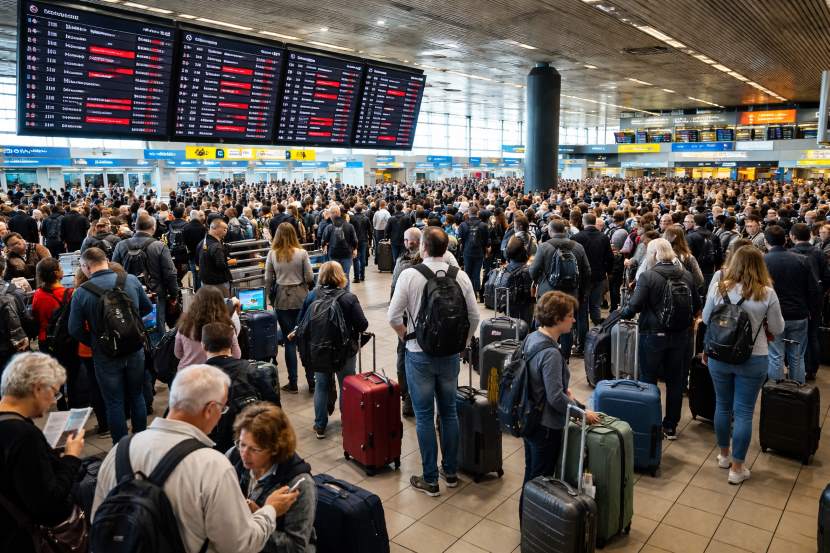
The start of 2026 has become a nightmare for travelers across Europe, as unprecedented flight cancellations and delays continue to wreak havoc at some of the busiest airports on the continent. Major airlines such as KLM, Air France, and EasyJet have been caught in a storm of operational challenges, leaving thousands of passengers stranded and disrupting travel in some of the world’s most visited cities. Amsterdam Schiphol (AMS), Paris Charles de Gaulle (CDG), London Heathrow (LHR), Barcelona El Prat (BCN), Copenhagen (CPH), and Helsinki-Vantaa (HEL) have been particularly hard hit by this chaos, with 612 flight cancellations and 538 delays recorded across these airlines.
This massive disruption is not just a logistical headache for airlines, but a travel disaster for passengers who now find themselves scrambling for alternative routes, uncertain of when they can reach their destinations. Let’s dive deeper into the reasons behind the chaos, the affected cities, and what passengers can expect as the disruptions continue to unfold.
KLM, Air France, and EasyJet at the Heart of the Storm
KLM, the flagship carrier of the Netherlands, is facing a particularly tough period with 430 cancellations and 74 delays. As one of the largest and busiest airlines in Europe, KLM’s operational struggles have caused significant turbulence at Amsterdam Schiphol and other European airports. Passengers expecting smooth transfers to destinations around the world have instead faced endless waiting times and flight cancellations. With Amsterdam being such a major hub for KLM, the scale of the issue here is overwhelming.
Air France has also felt the impact of this crisis, with 162 cancellations and 274 delays disrupting flights to and from Paris Charles de Gaulle. As the busiest airport in France and a crucial gateway for international travel, CDG has been severely impacted by Air France’s operational shortcomings. From long queues to crowded terminals, the scene at CDG has become a chaotic and frustrating experience for many travelers.
Meanwhile, EasyJet, a major low-cost carrier, has not been immune either. The airline has seen 20 cancellations and 190 delays, especially affecting routes from airports like Barcelona El Prat and London Luton. As many travelers rely on EasyJet for affordable flights within Europe, these delays and cancellations are leaving thousands stranded across airports, with limited options for rebooking their flights.
Aviation Chaos at Major European Hubs
The devastating impact of these flight disruptions is most evident at Europe’s busiest airports, particularly Amsterdam Schiphol, Paris Charles de Gaulle, and London Heathrow. These major hubs serve as critical connection points for travelers heading to other continents, making the current chaos all the more frustrating for international passengers.
At Schiphol, KLM’s flagship hub, long waits and overcrowding have been the order of the day. Passengers have faced hours of uncertainty, many left unsure of when they will be able to board their rescheduled flights. The airport, typically a smooth experience for travelers, has now become a bottleneck, with minimal options for passengers to reach their destinations on time.
In Paris, Charles de Gaulle (CDG) has similarly struggled under the weight of the disruptions. With many travelers stuck in the airport with no clear idea of when they’ll be able to leave, frustration levels are running high. Air France, the primary carrier at CDG, is facing immense pressure to sort out the situation, but the sheer volume of affected passengers has made it difficult to bring the situation under control.
London Heathrow, often ranked as one of the busiest airports in the world, is also experiencing major delays. Though British Airways is the primary airline at Heathrow, the widespread European disruptions have hit multiple airlines operating from the airport. Travelers trying to board connecting flights or reach distant destinations are encountering significant delays, with no immediate end in sight.
Smaller Airports Hit Hard Too: Barcelona, Copenhagen, Helsinki
Though not as large as Schiphol or CDG, smaller airports like Barcelona El Prat, Copenhagen (CPH), and Helsinki-Vantaa (HEL) are also feeling the brunt of the disruptions. EasyJet, which serves many European routes from Barcelona, has faced significant issues with canceled and delayed flights. Passengers hoping to travel to or from Spain have found themselves stuck in the middle of the crisis, unable to secure new travel options.
In Copenhagen, flights are also being impacted, as delays cascade across European routes. Copenhagen Airport has seen long lines and overcrowded terminals, as passengers scramble for alternative flights. The Scandinavian airline industry, already grappling with staff shortages, has found it difficult to handle the sheer scale of the problem.
Similarly, Helsinki has not been spared from the chaos. Finland’s capital, a key transit hub for travelers heading to Nordic destinations, has seen multiple delays and cancellations, particularly affecting flights operated by Finnair and other regional carriers.
What’s Causing the Chaos?
The root causes behind these massive disruptions are multifaceted. Winter weather has been a significant factor, particularly the snowstorms and icy conditions that have plagued much of Northern Europe. These conditions create hazardous situations for both aircraft operations and air traffic control, leading to delays and cancellations across affected airports.
Another contributing factor has been the ongoing staffing shortages that airlines and airports have been grappling with. KLM, Air France, and EasyJet have all struggled with recruitment and retention issues, which have made it difficult to maintain operations at full capacity. From pilots to ground staff, these shortages have made it harder for airlines to maintain on-time operations.
Finally, logistical challenges within the aviation sector, including aircraft maintenance and turnaround times, have added to the strain. With many aircraft grounded or delayed due to maintenance issues, the situation has escalated into a perfect storm for European travelers.
What Can Passengers Expect Now?
For the affected passengers, the uncertainty is far from over. Many will face long delays in rebooking flights, with minimal availability for alternative travel options. As KLM, Air France, and EasyJet struggle to regain control of the situation, passengers are advised to stay updated on their flight status through official channels.
Travelers should ensure they have backup plans and are ready for alternative transportation, including train journeys or ground transportation. Airports are also likely to remain crowded for the foreseeable future, so it’s important to arrive early and be prepared for long waits.
Conclusion: Is There a Solution?
As the ongoing disruptions continue to affect thousands of passengers across Europe, it is clear that KLM, Air France, and EasyJet will have to work hard to recover from the fallout. Travelers can expect continued delays and cancellations in the coming days, especially if adverse weather conditions persist. However, there is hope that operational improvements and better planning can help mitigate future disruptions. Until then, travelers are urged to stay informed, be flexible, and plan accordingly to navigate this aviation crisis.
Source: Different airports and FlightAware
