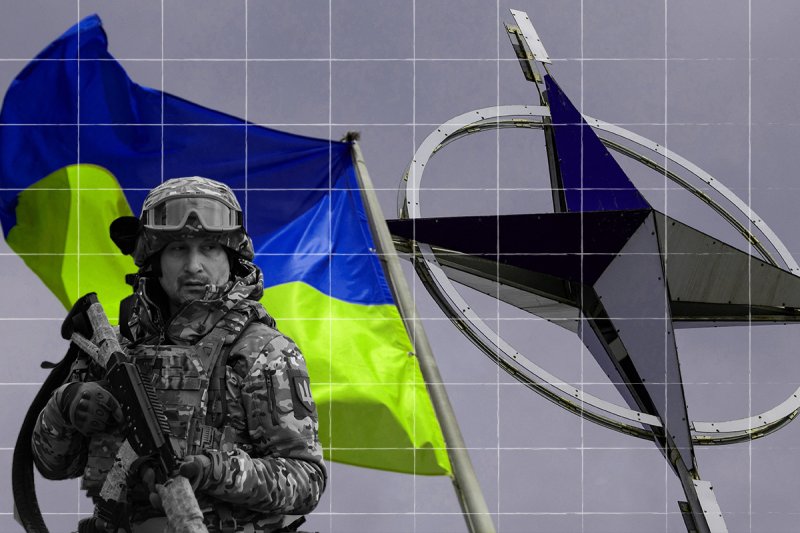
Russia continues to dominate global search and news interest as developments surrounding its foreign policy, security strategy, ongoing conflict dynamics, and relations with major world powers evolve rapidly, News.Az reports.
As governments, analysts, and international institutions monitor the situation closely, attention is increasingly focused on how Russia’s latest moves are reshaping global diplomacy, security calculations, and economic strategy.
Much of the world’s interest remains driven by Russia’s role in the war in Ukraine, which continues to influence international security debates, defence spending trends, and alliance behaviour. Russia has sustained both political and military efforts aimed at consolidating territorial control, applying pressure on Ukraine’s infrastructure, and maintaining influence over contested regions. At the same time, Moscow continues to frame its actions as a response to what it describes as Western encroachment, NATO expansion, and perceived security threats.
Diplomatic conversations remain highly active. Negotiations, indirect talks, and parallel communications between Russia, Western governments, and other international actors continue in various formats, although deep mistrust persists. Russia maintains that it is open to discussions but on terms that reflect what it calls “new geopolitical realities.” Western governments, meanwhile, insist that any settlement must respect Ukraine’s sovereignty and internationally recognised borders. This fundamental divide underscores why meaningful progress remains difficult.
While the war is the most visible element of Russia’s current global posture, it is not the only one. Russia has been working to strengthen its ties with non-Western partners, especially across Asia, the Middle East, and Africa. Trade relationships, energy agreements, and security cooperation have increasingly shifted toward states that either seek neutrality in the conflict or are willing to work with Moscow despite Western sanctions. This effort is widely interpreted as part of a broader strategy to create alternative economic and diplomatic networks parallel to Western-dominated systems.
Energy remains one of Russia’s most powerful instruments. Despite sanctions, price caps, and efforts by Western governments to diversify energy sources, Russia continues to export significant volumes of oil and natural gas through revised trade patterns. New routing through Asian markets has helped Russia stabilise revenue flows, even if energy income is not as high as before the war. At the same time, global energy markets remain sensitive to Russian output levels, infrastructure risks, and policy decisions, keeping uncertainty elevated for consumers and businesses alike.
Economically, Russia continues to adapt to sanctions. Access to Western financial systems remains constrained, foreign investment flows have shifted, and certain technology imports are limited. However, Russia has reoriented parts of its economy toward domestic production, alternative supply chains, and new trade partnerships. Central bank policy has focused on stabilising inflation and the national currency, while government spending remains heavily oriented toward defence, social support, and infrastructure.
Global security architecture is also being tested by Russia’s actions. NATO members have significantly increased defence budgets, strengthened cooperation frameworks, and expanded military assistance to Ukraine. Countries historically cautious about defence spending have begun re-evaluating security policies. Meanwhile, Russia continues military modernization programmes, including investments in missile systems, air defence assets, and emerging technologies.
Russia’s relationship with the United States remains tense and adversarial. Both sides accuse the other of escalation, interference, and destabilising policies. Strategic arms control mechanisms have weakened in recent years, raising long-term concerns about the future of nuclear security frameworks. At the same time, official communication channels have not been completely severed. They continue to function at limited levels, reflecting an understanding that certain strategic risks still require dialogue.
Russia’s ties with China remain one of the defining geopolitical developments of the current era. Moscow and Beijing continue to align on several key issues, including opposition to what they describe as Western-dominated global governance. Economic cooperation has grown, with energy trade being a central pillar. However, analysts note that the relationship is driven as much by shared interests as by strategic necessity, and it remains subject to shifts in regional and global conditions.
Russia’s role in the Middle East also attracts significant global attention. Moscow maintains diplomatic and security influence in Syria, coordinates energy strategies through OPEC+ mechanisms, and engages with regional powers on matters ranging from energy logistics to security partnerships. This allows Russia to remain a relevant actor in discussions that affect global oil markets and regional political balances.
Domestically, Russia continues to project an image of resilience. Government messaging highlights stability, sovereignty protection, and national strength. Political institutions are positioned as united behind long-term strategic priorities, while public communications emphasise the importance of national security and patriotism. Critics, including some international observers, remain concerned about political freedoms, media restrictions, and limits on dissent inside the country.
Sanctions and international isolation from Western institutions continue to influence everyday life in Russia. Consumer patterns have shifted as foreign brands exit and domestic or alternative international companies fill market gaps. Technology access, logistics chains, and supply lines have also been restructured. Despite these challenges, Russia’s economy remains functional, due largely to state policies, continued energy revenues, and diversified trade links.
Russia’s global narrative strategy also plays a role in shaping international perceptions. Through state media, diplomatic channels, and public messaging, Moscow continues to portray itself as a defender of multipolarity and as a counterweight to Western influence. This messaging resonates with some states and populations that are critical of Western policies, particularly in parts of Africa, Latin America, and Asia.
Looking ahead, analysts agree that Russia will continue to be one of the most consequential actors in global politics. The trajectory of the war in Ukraine remains a crucial variable. Any escalation, breakthrough, or diplomatic shift would have immediate implications for Europe’s security landscape, global trade, humanitarian conditions, and energy markets. Meanwhile, the evolution of Russia’s relations with China, the United States, the European Union, and emerging economies will continue to shape the structure of international alliances.
Global financial and commodity markets will also remain sensitive to Russian developments. Investors and governments continue to track sanctions policy, energy flows, trade realignment, and macroeconomic indicators, all of which have the potential to influence prices, inflation, and supply-chain security worldwide.
For now, Russia remains at the centre of a geopolitical turning point. How the country balances its military objectives, diplomatic strategies, economic resilience, and partnerships in the coming months will play a decisive role in determining the direction of global security and international order. Whether through military developments, diplomatic negotiations, energy strategy, or economic realignment, Russia’s actions continue to reverberate far beyond its borders, shaping policy decisions and risk assessments across the world.