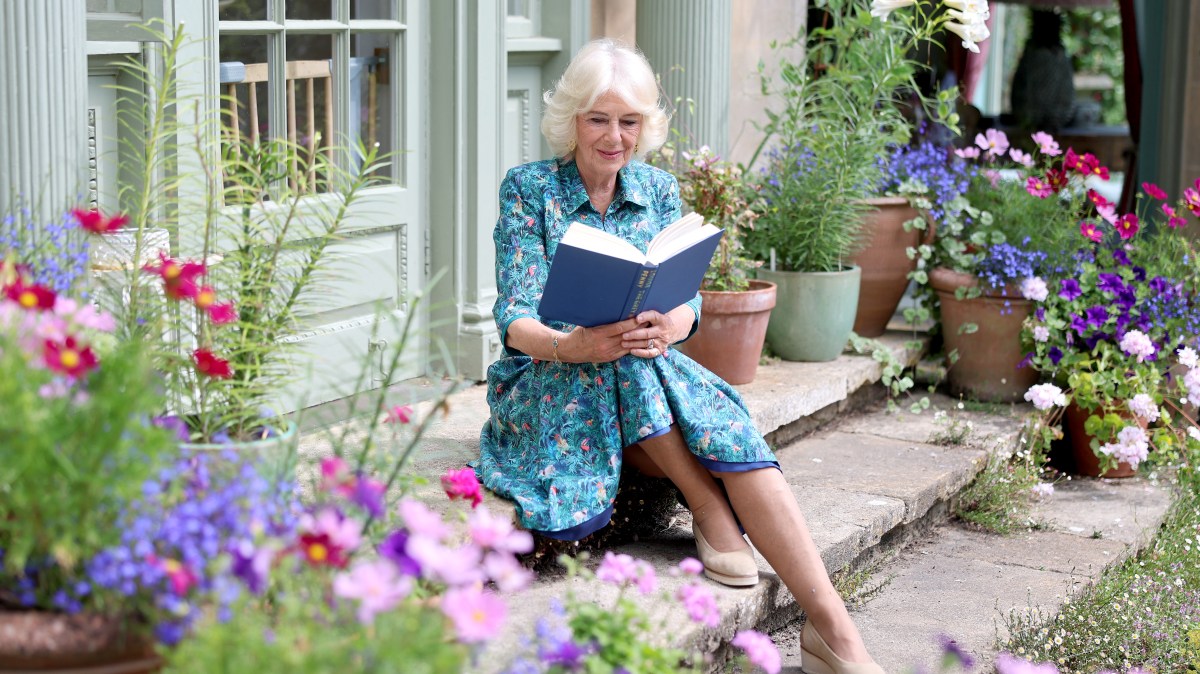
The Queen’s Reading Room charity project has been described as her “baby,” with Camilla still personally recommending her favourite titles for the book club.
Marking the fifth anniversary of the charity, the Queen described its mission to get people reading as “more urgent than ever,” saying that “books do make life better”.
Vicki Perrin, chief executive of The Queen’s Reading Room, said: “She founded the charity. It’s very much her baby.
“She still chooses all of the books that are featured on the book club and is by far the most well-read person I’ve ever had the pleasure to meet.
“Often, when I go in to see her, the defining image of Her Majesty is in her armchair with piles and piles of books on the side table and on the floor by her feet, and she’s talking about this latest one that she’s read, and she’s got a proof of a new book that’s coming out, and that she’s really enjoying.
“There’s just been so much that has been achieved and all of it really comes down to the special magic of the Queen’s Reading Room, which is Her Majesty.”
Camilla launched The Queen’s Reading Room book club in 2021 as a way to encourage people to read during the Covid-19 lockdown.
Since then, she has personally selected 76 books including Dame Hilary Mantel’s The Mirror And The Light, William Boyd’s Restless, Where The Crawdads Sing by Delia Owens and The Architect’s Apprentice by Elif Shafak.
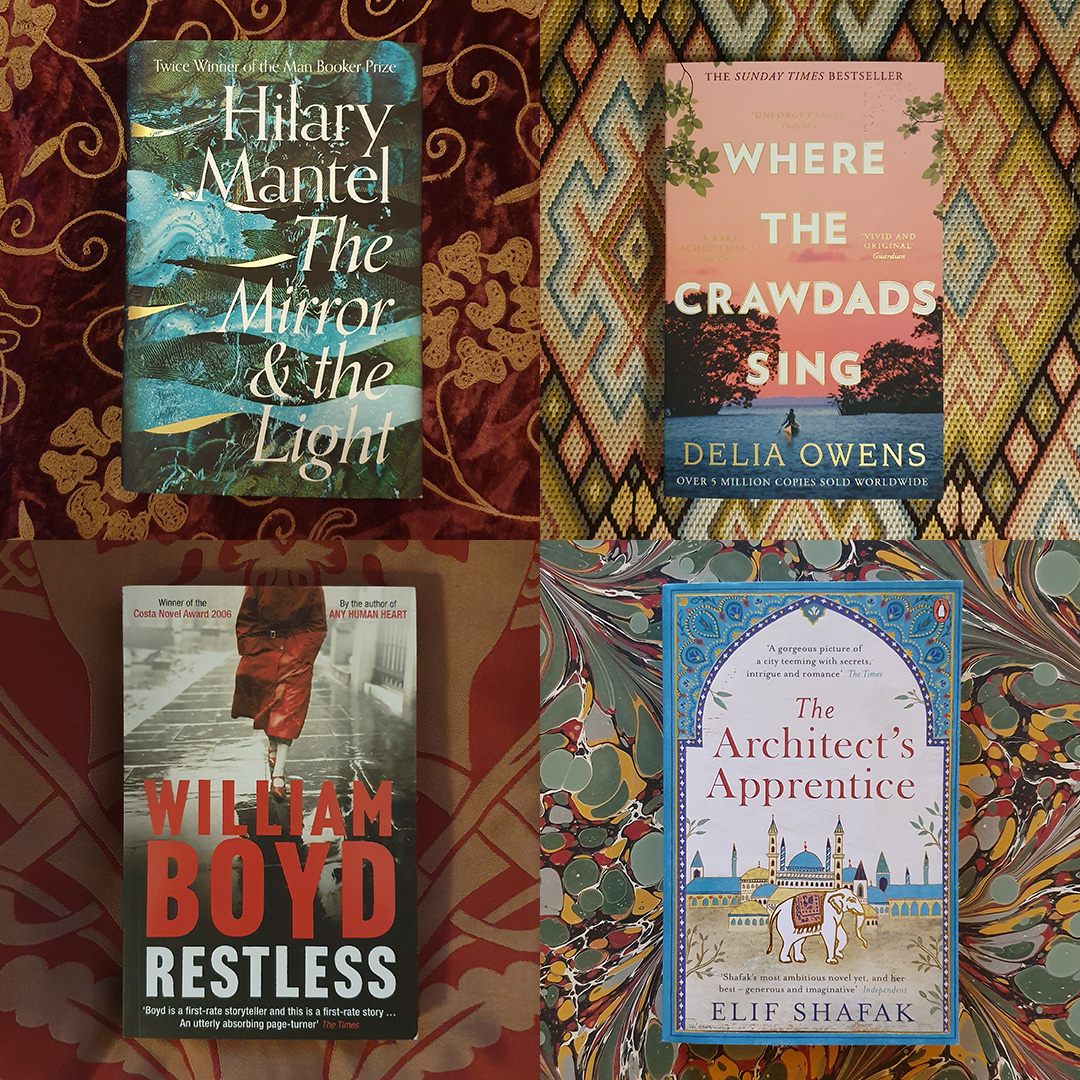
THE DUCHESS OF CORNWALL’S READING ROOM/PA
According to the charity, Camilla’s most popular recommendations with book club readers so far have been: Magpie Murders by Anthony Horowitz; Hamnet by Maggie O’Farrell; Girl, Woman, Other by Bernardine Evaristo; Rebecca by Daphne du Maurier; and Jane Austen’s Pride And Prejudice.
For its fifth anniversary, the book club has adopted the motto “Make Room for Reading”, urging people to read for five minutes every day.
The hope is that people will take up reading in the way that they adopted healthy living campaigns, such as pledging to achieve 10,000 daily steps or eat five portions of fruit and vegetables a day.
A neuroscience research study conducted by the organisation showed that just five minutes of reading fiction can immediately reduce stress by nearly 20 per cent, improve concentration and focus by as much as 11 per cent, and reduce feelings of loneliness.
Globally, Unicef found an estimated 70 per cent of ten-year-olds in low and middle income countries were unable to read and understand a simple written story in 2022, up from around 57 per cent before the pandemic, when progress had already stalled.
Camilla said: “Five years ago, I founded a book club in lockdown, in the hope that others might derive as much enjoyment from good literature as I do.
“Since those humble beginnings, that book club has grown into a global charity, supporting a community of book lovers, united by a shared belief in the power of reading.
“I am so proud of what my charity has achieved, reaching millions of people, staging remarkable events and partnering with incredible organisations to bring books to people who need them most.
“Its ground-breaking research has confirmed what many of us always felt: reading truly changes how we perceive, how we think and how we connect.
“At a time when global reading rates are at their very lowest, my charity’s mission feels more urgent than ever. Books do make life better, and this is only the beginning.”
It comes amid what Perrin described as a “reading crisis”. She added that the charity was “deeply concerned” with falling reading rates among children.
The National Literacy Trust, of which Camilla is patron, reported that just one in three children and young people aged eight to 18 in the UK said that they enjoyed reading in 2025, which was the lowest level since the question was first asked in 2005.
Perrin said: “We, as a charity, are obviously deeply concerned about the falling reading rates among children, just as we are among adults.”
Last year The Sunday Times launched its Get Britain Reading campaign in an effort to turn around declining reading habits. The scale of the challenge has prompted the government to declare 2026 the National Year of Reading.
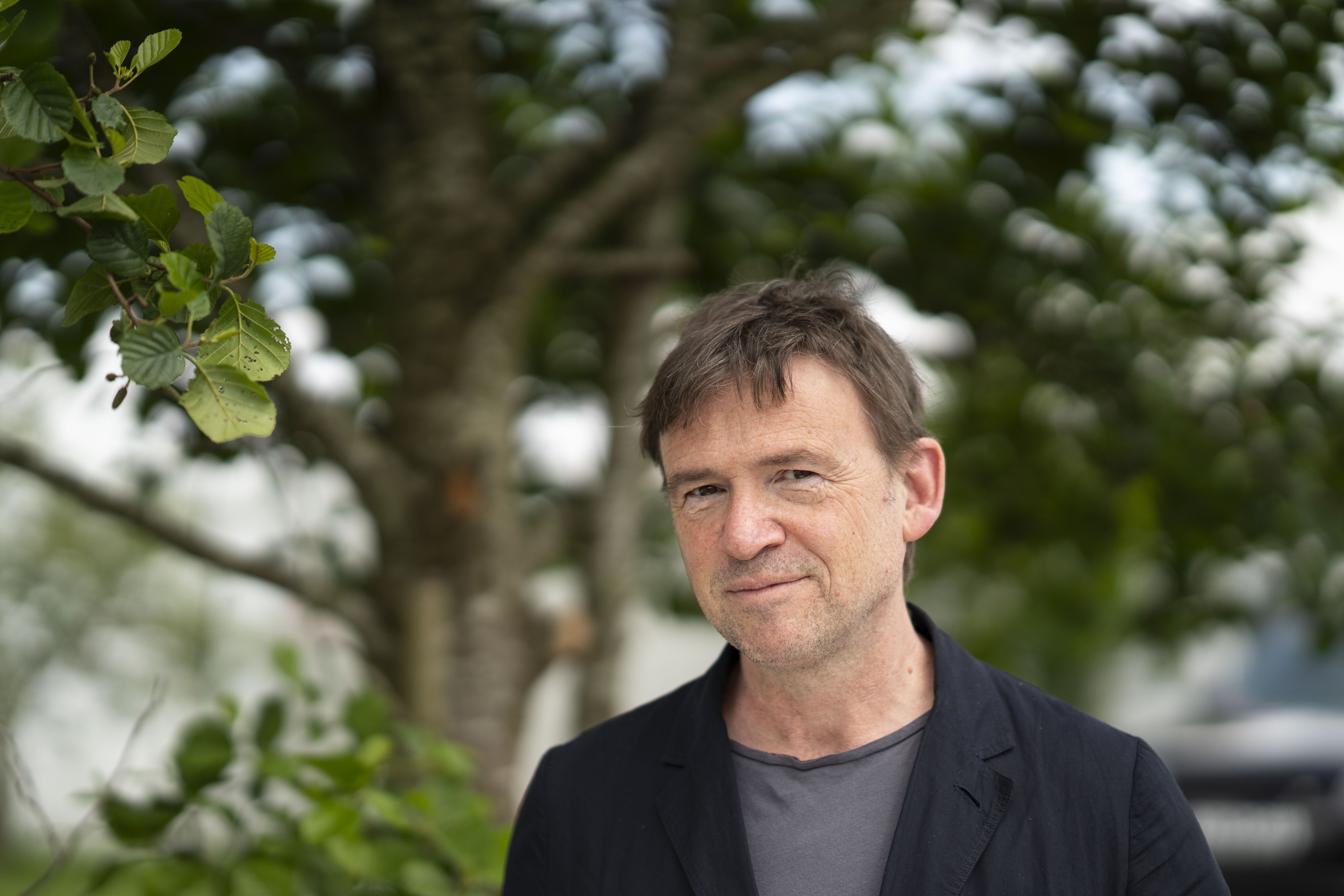
The novelist and screenwriter David Nicholls
DAVID LEVENSON/GETTY IMAGES
More than 100 celebrities including Sir Gareth Southgate, Chimamanda Ngozi Adichie, David Nicholls and Ian McEwan have pledged their support for campaign, which is asking readers to read for pleasure for at least ten minutes a day for six weeks; give money to Bookbanks, to put books in the hands of those who need them most; and volunteer to read in schools with Coram Beanstalk. This is in response to a survey by the National Literacy Trust which found that only one in three children and young people aged eight to 18 said they enjoyed reading in their free time.