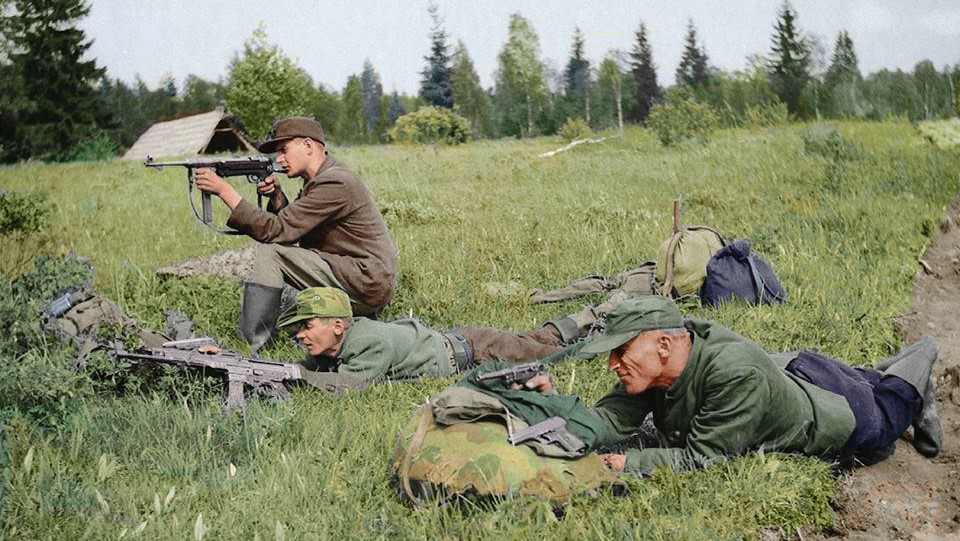
Estonia’s central bank, Eesti Pank, has approved the design for a silver collector coin dedicated to the Forest Brothers, the guerrilla fighters who resisted Soviet occupation in Estonia after the Second World War.
The winning design, by the artist Kaupo Kangro, was selected by the central bank’s supervisory board and will enter production for release in 2026.
The coin forms part of a new series dedicated to Resistance – a deliberate act of historical framing that places armed defiance, civic courage and moral endurance at the centre of Estonia’s national memory. The Forest Brothers, men and women who retreated into the countryside to wage a protracted guerrilla war against Soviet forces, are among the most enduring symbols of that resistance.
 Avers: Estonia’s central bank has approved the design of a silver collector coin dedicated to the Forest Brothers, who resisted Soviet occupation in Estonia after the Second World War. The winning design by artist Kaupo Kangro will be released in 2026.
Thousands of fighters operated in Estonia’s forests throughout the 1940s and early 1950s. Most were not professional soldiers but ordinary citizens who refused to accept the loss of independence. Their determination, historians argue, helped sustain the idea of a free Estonia through decades of repression.
The silver coin will carry a nominal value of €15, with a limited mintage of 2,500 pieces. While the approved design will form the basis of the final coin, Eesti Pank noted that minor technical adjustments may still be required before minting.
 Revers: the reverse depicts the Forest Brothers as armed partisans in the Estonian landscape, symbolising resistance, survival, and the fight for freedom.
The resistance series began with a collector coin dedicated to the Finnish Boys – Estonians who fought in the Finnish army during the war – and will continue in 2027 with a two-euro commemorative coin honouring veterans of the Estonian Defence Forces. Proposals for future issues are reviewed by an expert advisory committee before final decisions are taken by the bank’s leadership.
The Forest Brothers – known locally as metsavennad – conducted a sustained campaign of sabotage and ambushes against Soviet forces. In Estonia alone, an estimated 14,000 to 15,000 men took part in armed resistance between 1944 and 1953, though some estimates place the figure as high as 30,000. From late 1944 to 1947, they carried out more than 770 armed attacks, killing around 1,000 Soviet personnel and collaborators. At the height of the insurgency in 1947, Soviet supply convoys required heavy armed escorts and entire rural areas slipped intermittently from Moscow’s control.
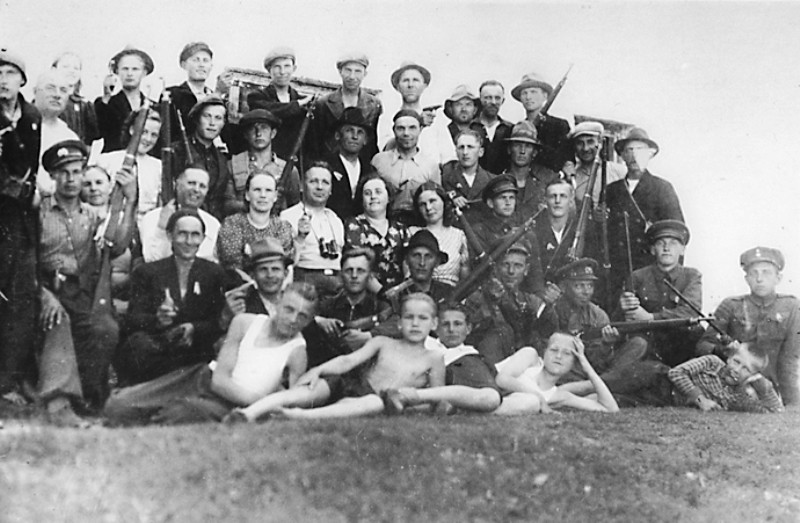 Forest Brothers with their families in Võru County. Photo: Estonica.org
The Soviet authorities dismissed the fighters as “bandits” and deployed special units to eliminate them. Yet the campaign proved slow and costly. Armed resistance persisted for years, long after the Red Army had reasserted formal control.
Its final, bleak coda came in 1978, when August Sabbe – believed to be the last surviving forest brother in Estonia – was confronted by KGB agents posing as fishermen. Rather than surrender, the 69-year-old leapt into a river and drowned. Soviet officials later claimed he died attempting to escape, an explanation widely regarded as implausible.
The design competition for the coin drew several strong entries. Second place was awarded to Villu Järmut, with Moonika Mällo taking third. The winner will receive a €3,000 prize, with €2,000 and €1,000 awarded to second and third place respectively.
For a small country with a long memory, the coin is more than a collector’s item. It is a reminder, cast in silver, that independence was neither inevitable nor free – and that resistance, however isolated or doomed it may once have seemed, helped keep the idea of Estonia alive.