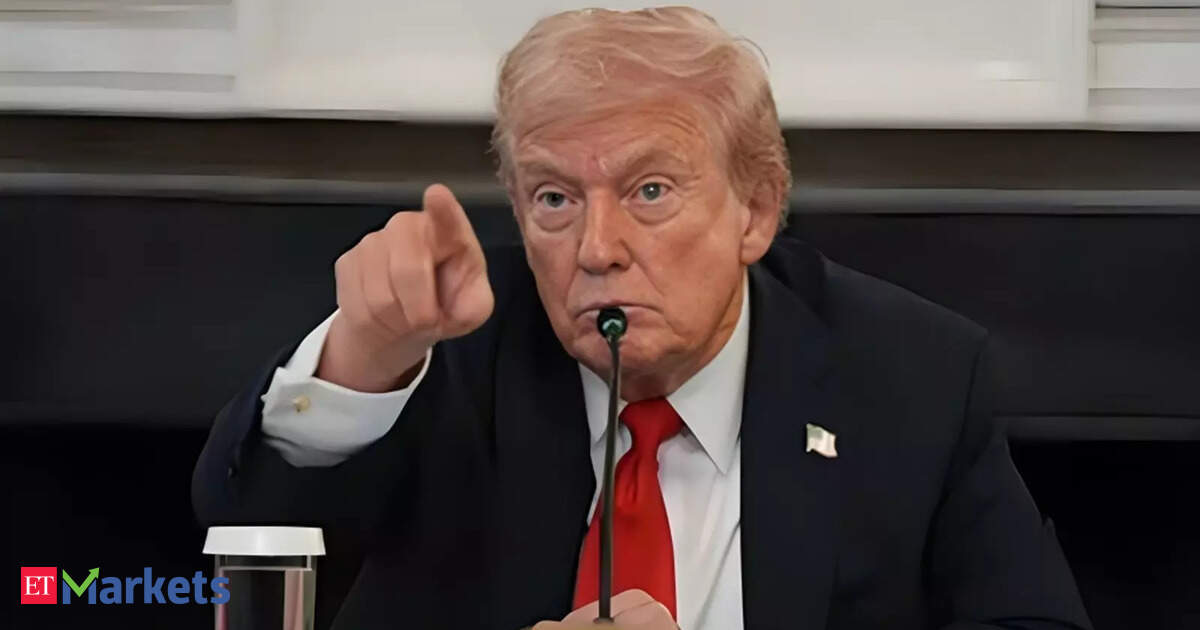
Taking his Truth Social handle, Trump wrote, “For a very long time, buying and owning a home was considered the pinnacle of the American Dream.” He said that he will be taking immediate steps to implement the proposed ban and would urge Congress to codify it into law, though he did not specify the legal authority or mechanisms that would be used.
The move comes as the White House faces mounting political pressure over the rising cost of living ahead of this year’s congressional midterm elections.
This move makes a notable shift for Republicans, aligning them with long-standing Democratic criticism of corporate homebuying. For years, Democrats have argued that institutional investors have driven up housing costs and reduced supply, though past legislative efforts to curb the practice have failed.
According to a 2024 study by the Government Accountability Office, cited by Reuters, showed that in the aftermath of the 2008 financial crisis, as widespread foreclosures flooded the market, Blackstone, American Homes 4 Rent, and Progress Residential significantly expanded their presence in single-family rentals. Following that by June 2022, institutional investors owned around 450,000 homes, or about 3%, of all single-family rental homes nationally.

Markets reacted sharply to the announcement, with American Homes 4 Rent falling to a near three-year low and briefly halted for volatility before closing 4% lower. Blackstone touched a one-month low and ended down about 5.6%, while the PHLX housing index slipped 2.6%, Reuters reported.
Blackstone said its exposure to single-family homes represents only a small portion of its overall business and noted that it has been a net seller of such properties over the past decade, according to Reuters. The firm added that its existing portfolio continues to perform well and meet operational standards for residents.The GAO report concluded that the impact of institutional homebuying on homeownership opportunities remains uncertain, partly due to insufficient data. Critics, however, argue that large Wall Street landlords often neglect maintenance to protect returns and also carry out wrongful evictions during the COVID-19 pandemic.
The affordability debate comes amid signs that housing inflation has begun to cool. Since Trump’s first election victory, U.S. home prices have risen roughly 75%, far outpacing overall consumer inflation, Reuters reported. However, price growth has slowed markedly over the past year. Data from the Federal Housing Finance Agency showed national home prices rose just 1.7% in October from a year earlier, the weakest pace in more than 13 years.
Shelter-cost inflation has also eased. According to the Labor Department’s Consumer Price Index, annual shelter inflation slowed to 3.0% in November, the lowest level in more than four years, reflecting gradual improvements in housing supply, Reuters reported.
Despite the cooling trend, housing affordability remains a key political issue as many Americans continue to struggle with elevated prices and limited inventory, underscoring the stakes of the administration’s proposed crackdown on institutional homebuyers.