Published on
January 8, 2026
Australia has released a new travel advisory in response to growing international concerns, advising visitors to France, Brazil, Paraguay, Cyprus, Turkey, Morocco, Colombia, and other places to exercise extreme caution. This warning is issued in the face of escalating threats such as terrorism, political unrest, violent crime, and natural disasters that have become more severe in many areas. The Australian government is reevaluating the security environment due to an increase in public unrest, safety concerns surrounding major events, and targeted attacks in France, Brazil, and Turkey, among other countries. In order to ensure their safety in these increasingly unpredictable environments, travelers are advised to use more caution and stay informed about local conditions as global tensions rise and safety threats change.
In light of the ongoing global concerns about safety and security, Australia has issued updated travel advisories for several countries, urging travelers to exercise caution when visiting certain regions. These advisories come as the global security situation continues to evolve, with various threats affecting travelers worldwide. Below is a detailed look at each country that has been highlighted in Australia’s latest travel advisory, including France, Brazil, Paraguay, Cyprus, Turkey, Morocco, Colombia, and more.
France
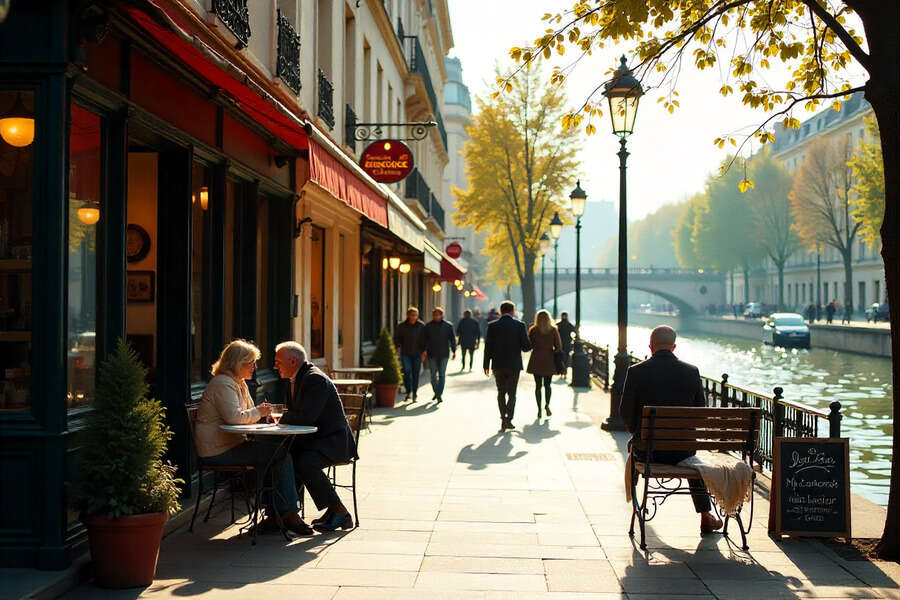
Australia’s travel advisory for France emphasizes heightened risks due to ongoing national security concerns. The country has been placed under the highest terrorist alert level, and travelers are advised to exercise a high degree of caution when visiting. Key locations at risk include major public venues such as transport hubs, tourist sites, cultural events, and places of worship, which could be targets of terrorism.
Additionally, France has seen frequent public strikes and protests that often disrupt public transportation services and result in violent confrontations with the police. These events, while usually peaceful in nature, can turn chaotic, leading to the use of tear gas and mass arrests. Visitors are urged to avoid protest areas to prevent being caught in potentially dangerous situations.
Crime also remains a concern in France, particularly in large cities like Paris, where violent robberies, muggings, and pickpocketing are common. Travelers should be cautious of potential risks, including drink spiking and theft, particularly in crowded tourist areas and on public transport.
Brazil
Brazil remains a high-risk destination due to the ongoing threat of violent crime. Australians are urged to exercise a high degree of caution, particularly in large cities and during high-traffic periods such as festivals, including the Carnival. Violent crimes like armed robbery, mugging, and carjacking are prevalent, especially in isolated areas, including the favelas (shantytowns). Tourists are strongly advised to avoid these neighborhoods, even if escorted by a tour group.
An increasing issue that travelers should be aware of is the risk of methanol poisoning linked to drink spiking incidents. Methanol is often used in counterfeit alcoholic beverages, and there have been reports of tourists falling victim to these incidents. Travelers are advised to remain vigilant when consuming alcohol and to avoid accepting drinks from strangers.
In addition to crime, Brazil is also subject to large-scale protests, which can occur with little notice. These demonstrations sometimes result in clashes with police and other authorities, leading to heightened tensions and disruptions. Travelers should closely monitor local media for updates and avoid areas where protests are taking place.
Paraguay
Paraguay, though not traditionally on the radar for Australian travelers, has been included in the latest advisory due to the threat of violent crime. While travelers are not required to obtain a visa for stays of up to 90 days, they are strongly advised to exercise caution due to theft, armed assaults, and kidnappings. These crimes have been reported in both urban and rural areas, with public transport being a particular hotspot for theft.
Demonstrations and protests are common in Paraguay, and travelers should avoid such gatherings, as they have the potential to turn violent. Roadblocks, which are sometimes part of these protests, can create significant travel disruptions. Additionally, certain areas of Paraguay, particularly in the northern regions like San Pedro and Concepcion, are deemed unsafe due to a higher incidence of criminal activity. Travelers are advised to stay informed through local media and government advisories when traveling in these areas.
Cyprus
Cyprus has been marked as a country where travelers should exercise caution due to the ongoing presence of a UN peacekeeping operation on the island. Cyprus is divided into two main territories: the southern part, controlled by the Government of the Republic of Cyprus, and the northern part, administered by the Turkish Republic of Northern Cyprus (TRNC), which is not recognized by Australia.
Violence and conflicts can occasionally flare up, especially in the UN-protected Buffer Zone, which separates the two territories. Tensions around public demonstrations can make these areas particularly dangerous. Visitors are advised to avoid the Buffer Zone after such events.
Additionally, petty crime, including pickpocketing, is common in tourist areas. Travelers should be vigilant in crowded spots like markets, museums, and public transport. Although Cyprus remains largely safe for travelers, heightened caution is necessary to avoid these risks.
Turkey
Turkey presents a heightened level of risk due to an increased threat of terrorism and ongoing political instability. The country is a common target for terrorist organizations, particularly around large public gatherings and celebrations, such as New Year’s events. In crowded settings, there is a risk of attacks, which can turn violent in an instant. Travelers are urged to stay alert and be mindful of their surroundings.
The Turkish government has also imposed restrictions on protests, which are often banned during sensitive periods. While these protests are generally peaceful, they can escalate into violence, making it wise for travelers to avoid areas where large gatherings are taking place. The situation in certain provinces, particularly near the Syrian border, remains highly volatile, and it is advised not to travel within 10 km of these areas.
Earthquake risks are also present in Turkey, particularly in certain regions prone to seismic activity. Travelers should be aware of emergency evacuation routes and prepare for potential aftershocks following a major earthquake.
Morocco
Morocco remains a popular destination for tourists, but safety risks persist, including the threat of terrorism. Tourists are urged to remain cautious while visiting popular tourist areas, as these locations are at higher risk of being targeted. Political protests and demonstrations are also common in Morocco, particularly on Fridays around prayer times, when public gatherings can turn violent.
Petty crime, such as pickpocketing and bag snatching, is widespread, particularly in crowded places like markets, transport hubs, and on busy streets. Women travelers are advised to exercise additional caution, as sexual harassment can occur, especially in more isolated or poorly lit areas.
Travelers should also be cautious when hiking in remote areas, as the country’s mountains and desert regions can pose risks due to wild animals or treacherous terrain. Those planning to venture into such areas are advised to seek guidance from local authorities and hire a guide for added safety.
Colombia
Colombia is another country where travelers should exercise a high degree of caution due to ongoing violence from criminal organizations and the presence of armed groups. While the country has made significant progress in recent years, some areas remain particularly dangerous, including those near the border with Venezuela and certain rural regions.
Increased violence in certain areas has led the Australian government to recommend against travel to regions like Cauca, Norte de Santander, and the Catatumbo region. In these areas, there is a high risk of terrorist activity, violent crime, and clashes between armed groups. Travelers are also advised to avoid protests, which can escalate into violence, and to remain vigilant when passing through border areas.
The risk of drug-related violence continues to affect parts of the country, and tourists have been known to fall victim to incapacitating drugs, which are often used by criminals to rob their victims. The Australian government advises travelers to stay informed and closely follow local media and security advisories.
Albania
Albania has been included in the travel advisory list due to the ongoing risks of natural disasters and political instability. The country is prone to wildfires during the summer months, particularly from April to October, which can spread quickly and pose a significant danger to those in affected areas. Additionally, extreme temperatures during this period can exacerbate the risk of heat-related illnesses.
Petty crime, including theft and pickpocketing, is common in Albania, especially in urban areas and on public transport. Travelers are encouraged to keep their belongings close and remain cautious when traveling through busy or tourist-heavy locations.
In response to growing international concerns about growing security threats, such as terrorism, political unrest, and violent crime, Australia has issued a new travel advisory for France, Brazil, Paraguay, Cyprus, Turkey, Morocco, Colombia, and other countries. Australian authorities have urged visitors to these areas to exercise extra caution due to the growing risks.
Australia’s latest travel advisory highlights the complex and diverse challenges travelers may face when visiting countries around the world. From the risk of terrorism and violent crime to political instability and natural disasters, the global travel landscape continues to shift. Travelers are urged to stay informed, exercise caution, and adhere to local advice in order to ensure their safety. By taking these precautions, visitors can enjoy a more secure and informed travel experience in 2026 and beyond.
