Published on
January 8, 2026
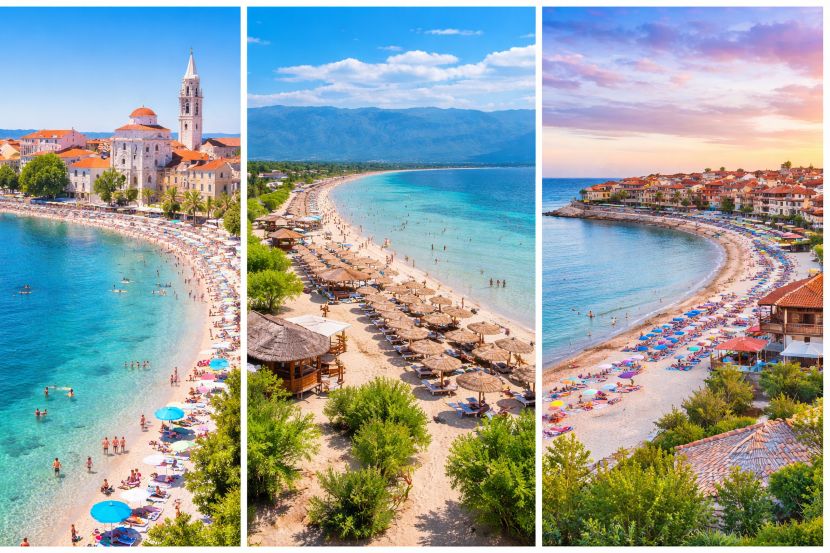
Zadar and the Nin Riviera in Croatia alongside the Bulgarian Black Sea coast are gaining strong interest from international travellers seeking affordable beach city breaks in summer 2026. These destinations combine historic cities with extensive sandy shores and official government backing to improve tourism experiences. Croatia’s national tourism board has heavily promoted its Adriatic coastline, especially Zadar and neighbouring Nin Riviera, as ideal for culture and beach visits. Bulgaria’s Ministry of Tourism is also enhancing year‑round competitiveness, supporting Black Sea coast destinations with long beaches and accessible water quality monitoring. These official efforts are drawing holidaymakers who want value but quality in 2026.
Croatia’s Zadar and Nin Riviera Blend History and Sandy Beach Breaks
The Croatian National Tourist Board emphasises that tourism in Croatia remains anchored to its long Adriatic coastline, which features a variety of beaches from bustling city shores to hidden coves. Zadar serves as a dynamic urban centre with historic sites and modern amenities, and it acts as a base for exploring the nearby Nin Riviera. Nin Riviera is recognised as an established beach destination with fine sandy beaches and family‑friendly coves. Visitors can combine sightseeing with seaside relaxation, enjoying coastal walks, cultural exploration, and beach days without long transfers from the city. The official Croatia tourism portal highlights the abundant beach options and coastal character that define this region.
Bulgarian Black Sea Coast Strengthens Its Position as A Value‑Driven Holiday Option
Bulgaria’s Black Sea coast spans hundreds of kilometres of shoreline with beaches that are professionally maintained and suitable for swimming and sunbathing. The Bulgarian Ministry of Tourism continues to advocate sustainable coastal tourism, emphasising that regular water quality monitoring shows beach areas remain safe and healthy for holidaymakers. The national tourism strategy aims to highlight long sandy beaches and historic seaside towns, including classic resorts and quieter natural coastal spots. Foreign visitors can choose from lively beach hubs to tranquil sea retreats while engaging with picturesque old towns and cultural landmarks along the Bulgarian coast.
Travel Connectivity and Seasonal Appeal Drive Visitor Interest in 2026
Connectivity from major European airports to both Croatia’s Dalmatian coast and Bulgaria’s Black Sea destinations supports affordable travel planning. Airlines maintain routes to regional hubs that are close to beach cities, creating options for short breaks or extended beach holidays. Seasonal conditions during June to September provide optimal beach weather, encouraging both leisure travellers and families to plan trips around cultural experiences and seaside relaxation. Government tourism websites for both countries provide detailed guides, seasonal travel information, and tips to help visitors maximise their beach holiday experiences.
Cultural and Natural Attractions Enhance Beach Holiday Experiences
Beyond sun and sea, both Croatia and Bulgaria offer rich cultural landscapes to complement beach stays. Croatia’s historic towns carry centuries of heritage alongside modern leisure options. Zadar’s blend of ancient Roman and medieval architecture contrasts with the sandy coves of Nin Riviera, offering a layered travel experience. On the Bulgarian coast, seaside cities feature historic centres, traditional seaside resorts, and opportunities for wildlife observation near protected nature areas. These attractions form part of official tourism messages tailored to attract a broad spectrum of visitors.
Official Tourism Promotion Enhances Regional Recognition in 2026
Both Croatia and Bulgaria have positioned their coastal destinations as competitive tourism products in the wider European context. Croatia’s national tourism board continues to refine promotions around beach and city tourism, while Bulgaria’s tourism policies support improved service quality and diversified visitor offerings. Official information emphasises safety, accessibility, and cultural richness alongside beach holiday value. This strategic alignment with broader European tourism trends helps strengthen seasonal visitor flows and encourages sustainable development of beach city tourism.
Final Paragraph (Humanised):
Travellers arriving in Zadar or exploring Bulgarian Black Sea towns in 2026 will find more than sandy shores; they will encounter rich local culture, welcoming communities, and a genuine value‑driven break that feels like both a city adventure and a beach holiday. Government tourism initiatives are shaping these coastal regions into easily accessible, safe, and memorable summer getaways. Whether seeking heritage, relaxation, or simple sunshine by clear waters, visitors can trust official destination guidance and local hospitality to make their journey truly rewarding in 2026.
