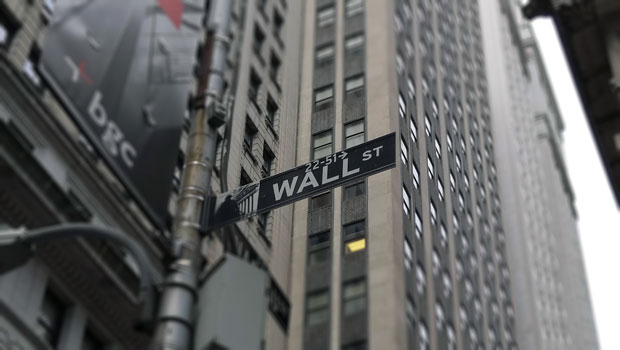
US stocks were set to pull back for the second straight day as geopolitical tensions and nervousness ahead of the latest non-farm payrolls figure weighs on market sentiment.
By 1053 GMT, futures on the Dow, S&P 500 and Nasdaq were trading around 0.2% to 0.3% lower. The Dow and S&P 500 fell 0.9% and 0.3% on Wednesday, respectively, pulling back from fresh record highs made the previous session.
Donald Trump’s controversial cross-border military operation on Venezuela at the weekend was still in focus, with Washington claiming to have taken charge of the Latin American nation’s energy industry.
Trump said Venezuela would be “turning over” between 30m and 50m barrels of “High Quality, Sanctioned Oil” following an agreement struck with Caracas, while energy secretary Chris Wright said the US planned to oversee the sale of Venezuelan oil “indefinitely”.
WTI crude was up 1.2% at $56.66 a barrel on Thursday morning, continuing its volatile swings as investors weigh up potential oversupply concerns with geopolitical risks.
Meanwhile, with Thursday’s economic data calendar relatively quiet, eyes will be starting to turn towards Friday’s all-important non-farm payrolls report for December, which is expected to show 60,000 job gains during the month, down from 64,000 in November.
“Ahead today, we think that the markets will be nervous as we lead up to Friday’s payrolls report and as they watch out for further signs of geopolitical risk and the fallout in the latest spat between China and the US,” said Kathleen Brooks, research director at XTB. “This could keep downward pressure on equities, and this time it could drag tech stocks with it.”
Defence stocks were set to surge early on, with futures up in pre-market trading, after Trump called for US defence spending to reach $1.5trn, three times the current $500bn budget that the Pentagon is expected to receive this year.
Shares in industry players Lockheed Martin, Northrop Grumman and RTX tanked on Wednesday after the president attacked weapons makers and Pentagon contractors for excessive exec pay and share buybacks, pushing them to invest more in production and infrastructure.
The president signed an executive order stating that defence contractors “are not permitted in any way, shape, or form to pay dividends or buy back stock, until such time as they are able to produce a superior product, on time and on budget”.