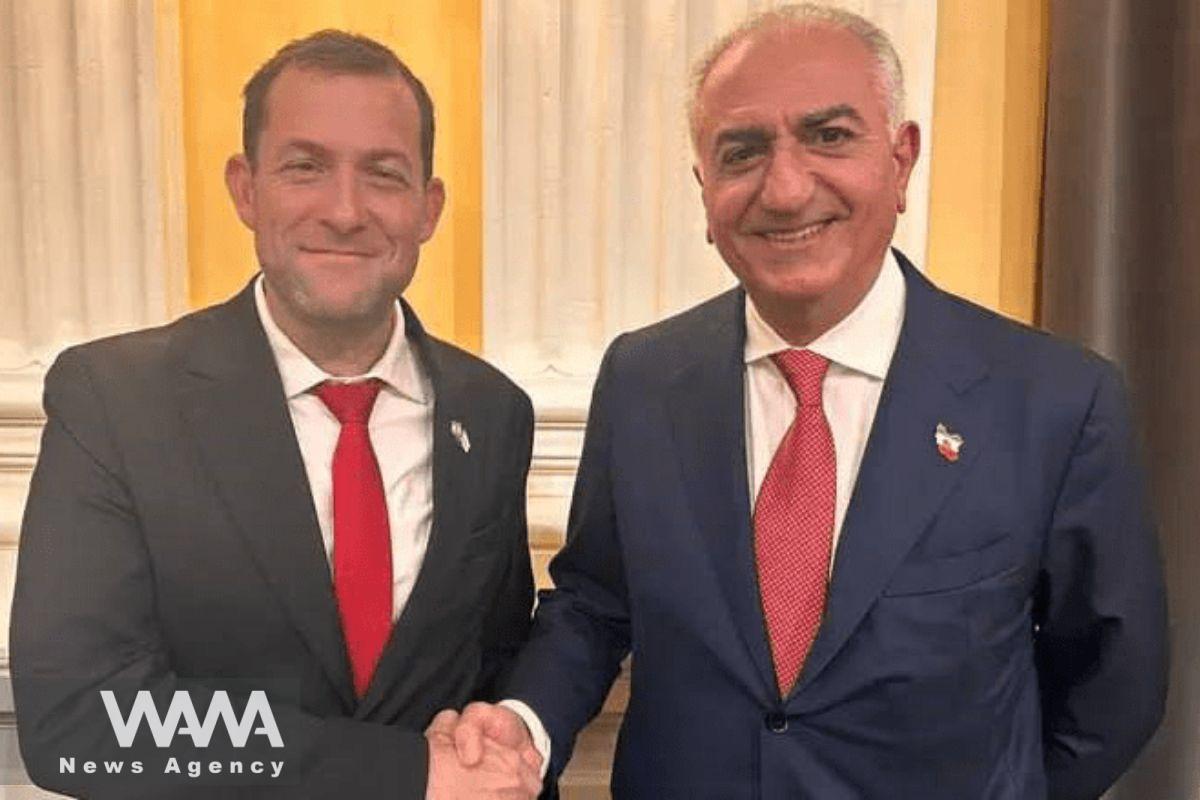
WANA (Jan 08) – Israeli media have published an image of a meeting between Yossi Dagan, the influential head of the Northern West Bank Settlements Council, and Reza Pahlavi, the son of the former Shah of Iran. This meeting takes place as security reports indicate an intensification of organized activities by separatist groups along Iran’s western borders.
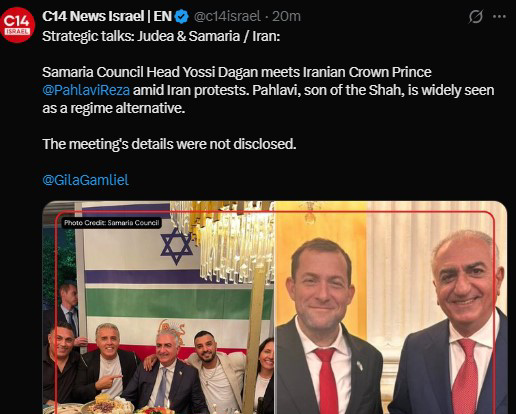
Israel’s Channel 14, publishing the image on the “X” platform, showed Dagan—considered a prominent figure in Israel’s right-wing faction—alongside Pahlavi. Although the details of these talks have not been made public, observers assess this meeting as part of a multi-layered coordination between the overseas opposition and regional actors amidst the recent unrest in Iran.
Separatist Groups Entering the “Operational Phase”
Simultaneously with these diplomatic movements, evidence suggests that separatist groups based in Northern Iraq have moved past the stage of psychological warfare and entered the “operational phase.”
Leaders of these groups, including Ribwar Abdanan (PJAK), Hossein Yazdanpanah (PAK), Abdullah Mohtadi, and Reza Kaabi (Komala), have issued coordinated statements attempting to steer gatherings toward anti-security measures, particularly in the provinces of Ilam and Kermanshah.
These movements have escalated despite the security agreement between Iran and Iraq—which the Kurdistan Region is also committed to implementing—expressly prohibiting any armed movement or even the display of weapons by these groups.
Multilateral Coordination and Regional Dimensions
Analysts believe the synchronicity of high-level meetings in Tel Aviv with the extensive activity of Mossad-affiliated virtual accounts and provocative stances by U.S. officials points to a joint strategy to escalate domestic unrest in Iran.
Previously, in April 2023, Reza Pahlavi traveled to Israel, where he met with Benjamin Netanyahu and Isaac Herzog. While Hebrew media describe these actions as an attempt to establish a connection with the “Iran of the future,” Tehran views the link between the Pahlavi movement, Israeli right-wingers, and armed separatist groups as a direct threat to its territorial integrity.
As regional tensions reach their peak, the entry of groups based in Northern Iraq into the field has shifted the nature of the protests from civil demands toward security concerns and border stability.
 Iran Unrest in Washington’s Spotlight; What Message Is Trump Sending?
WANA (Jan 02) – The recent stance of U.S. President Donald Trump regarding the protests in Iran has been accompanied by numerous reactions both inside and outside of Iran. In a message published on the social network “Truth Social,” Trump announced that if protesters in Iran are “violently killed,” the United States is ready to […]
Haaretz Confession: Iran is Not Venezuela
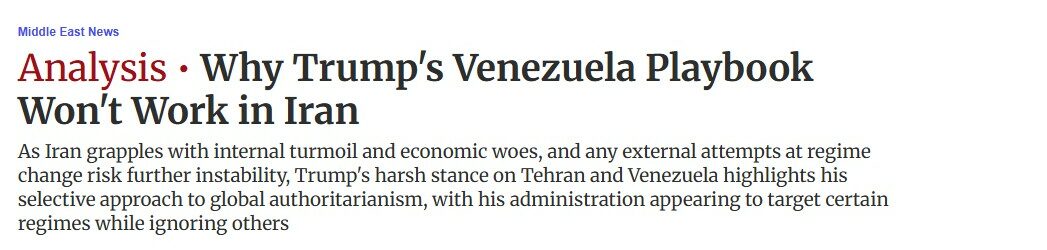
In contrast to the propaganda maneuvers of the Iranian opposition in Israel and its mutual friends, such as the United States, the Israeli newspaper Haaretz, in an analysis by Zvi Bar’el, explicitly confesses that Donald Trump’s strategy to simulate the Venezuelan collapse model in Iran is “a raw fantasy and doomed to failure.”
Referring to the detention of Nicolás Maduro, Bar’el emphasizes that, contrary to Washington’s perception, Iran is not only free from a power vacuum crisis, but its defensive and political structures are so intertwined that even the physical elimination of high-ranking officials would not create a rift in the survival of the system.
According to the author, the undisputed power of the Islamic Revolutionary Guard Corps (IRGC) and the Iranian Army has built an impenetrable barrier against foreign regime-change scenarios. Haaretz warns that any foreign military or paramilitary intervention would turn into a “strategic suicide” for the West due to the robust structure of power in Iran.
Dread of “Syrianization” and the Nation’s Historical Memory
The senior Israeli analyst further adds that the Iranian nation’s historical memory—particularly the bitter experience of the U.S. betrayal of the Kurds and Iraqi Shiites in 1991—is a major obstacle to trusting Washington’s promises. He emphasizes that, unlike the 2009 unrest, there is currently no political alternative or cohesive leadership among the opposition.
In fact, the fear of the destruction of vital infrastructure, such as water and electricity, has caused even economic protesters to view any U.S.-backed regime change with doubt and dread; they often refuse to comply with American plans out of fear of Iran becoming “another Syria.”
Ultimately, the link between exiled political actors and armed border groups, rather than being a threat to the system, has become a factor for internal cohesion driven by the fear of national collapse.
Who is Reza Pahlavi?
Born on October 31, 1960, in Tehran, he is the eldest son of Mohammad Reza Shah Pahlavi, the last King of Iran. He left Iran following the 1979 Revolution and has lived abroad (primarily in the United States) since that time.
In recent decades, Reza Pahlavi has increased his ties with Israel. The shared goal of these two currents is the overthrow of the Islamic Republic of Iran.
Contrary to media propaganda, Reza Pahlavi does not have a large following inside Iran. Most Iranians mock his political actions, and even some opposition groups of the Islamic Republic of Iran do not grant any weight to Reza Pahlavi in political activism.
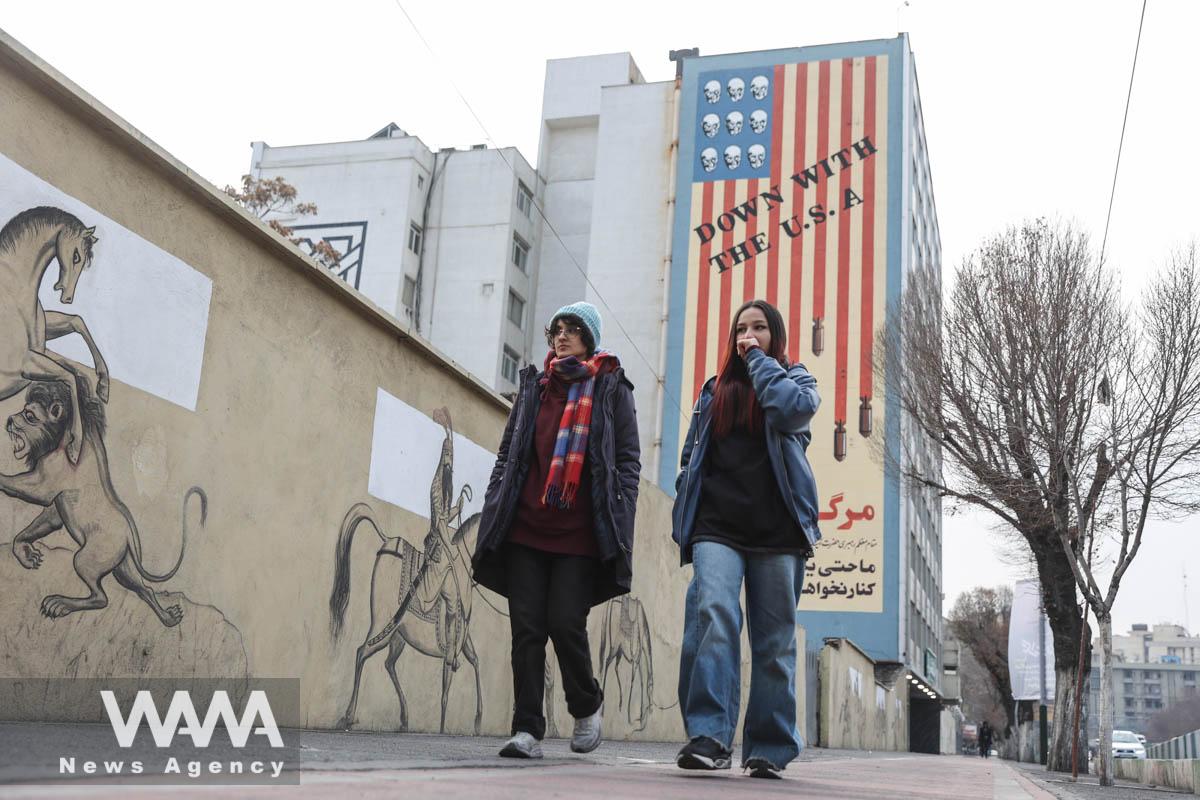 From Iran to Venezuela: A Shared Pattern of U.S. Intervention
WANA (Jan 05) – What has unfolded in Venezuela in recent days may, at first glance, appear to be a local crisis or a political dispute confined to Latin America. For a significant part of the international community, however, these developments evoke a familiar pattern—one previously applied in the Middle East, particularly toward Iran, and […]