Supporters believe the deal will strengthen Europe’s global standing, diversify trade away from heavy reliance on the United States and China, and send a message in favour of rules-based global commerce.
But across Europe, many farmers fear an influx of South American imports with lower standards, unfair competition and environmental risks.
“They want us to respect some deals and some standards, but they import things without following the same rules,” said Italian farmer James Benedetto.
“So it’s very dangerous. It will cause a dampening effect on our produce, our goods and our quality.”
European farming groups argue that agricultural imports from South America – particularly beef and poultry – could undercut their own producers, who face stricter environmental and animal welfare regulations.
Elisabeth Hiden, vice president of the Council of European Young Farmers, warned that the agreement would tilt the playing field against EU growers.
“In the Mercosur, countries produce in a different way than we’re allowed to do in Europe, so it increases what the farmers need to do and then we’re going to import meat that’s less environmentally friendly,” she added.
“They don’t follow the same rules as we’re doing and of course that’s not really fair.”
Germany, Spain and several Nordic countries are leading the push to finalise the deal, arguing it will boost exports hit by US tariffs and reduce reliance on China.
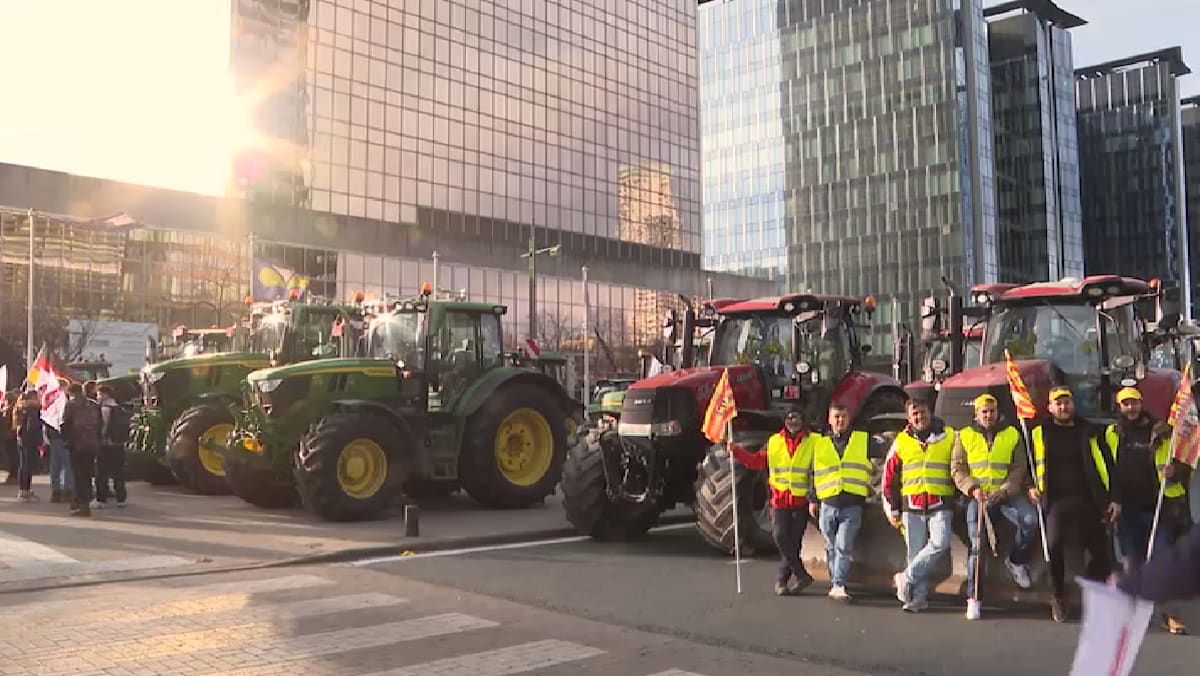
But countries remain opposed, with farmers staging nationwide protests in recent months.
Italy’s objections delayed a planned signing last month, as it demanded stronger guarantees to protect its agricultural sector.
Many farmers have also taken their grievances to Brussels as the deal’s signing drew near.