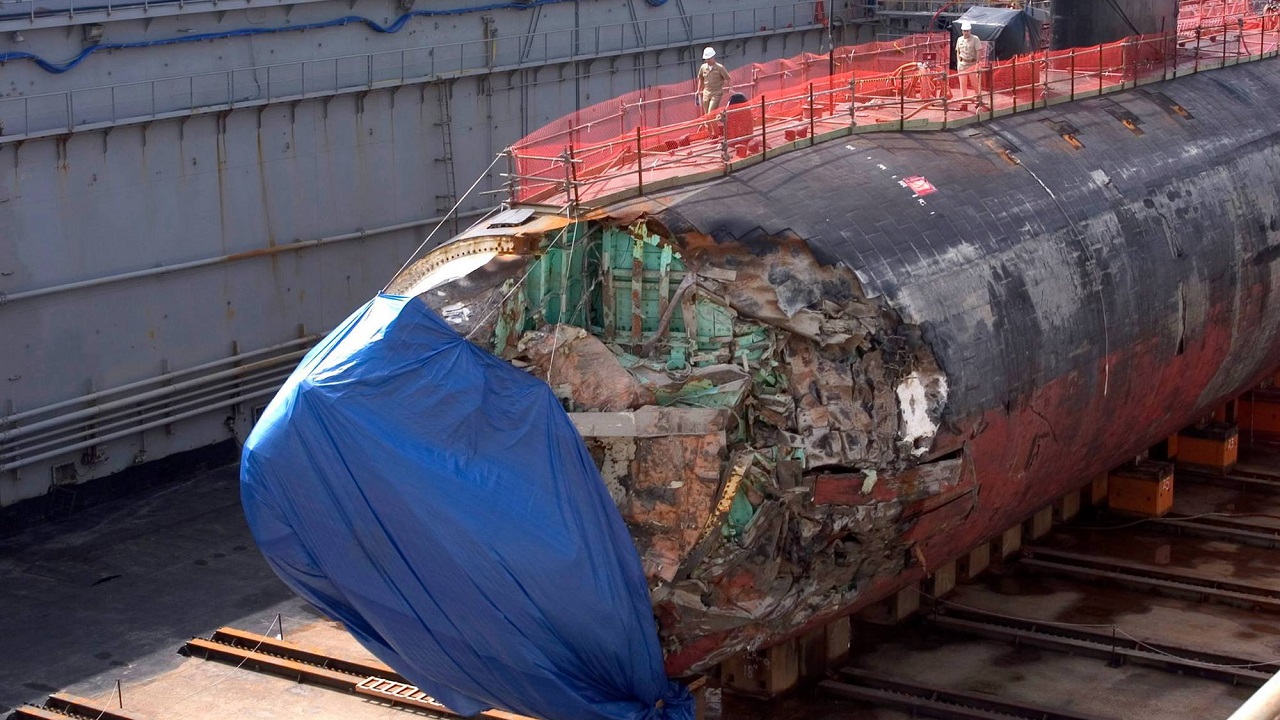
Synopsis: On January 8, 2005, the nuclear submarine USS San Francisco collided with an uncharted underwater mountain while traveling at over 30 knots, resulting in one death and injuries to over 90 crew members.
-The incident, caused by faulty navigational charts and procedural failures, nearly destroyed the vessel, but the pressure hull held and the nuclear reactor safely shut down.
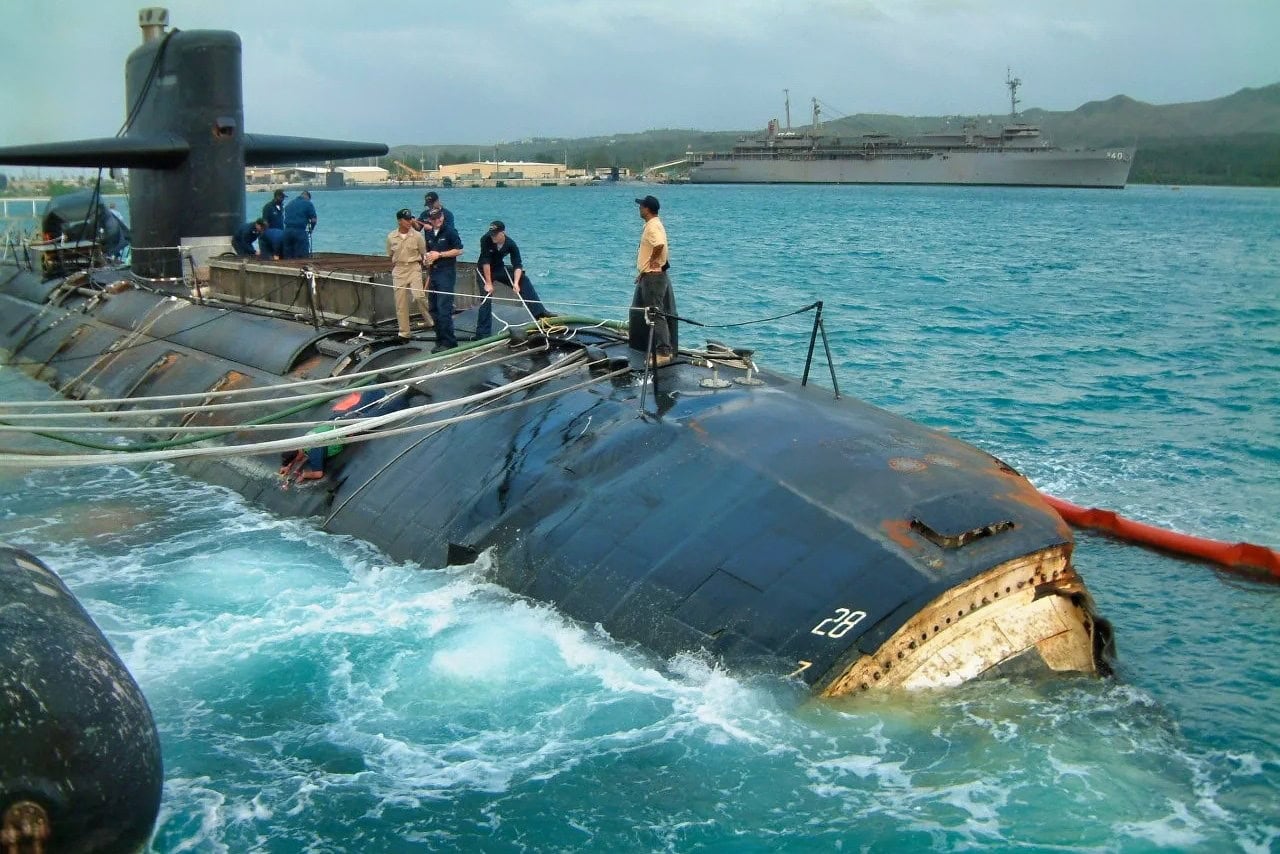
USS San Francisco US Navy Nuclear Submarine. Image Credit: Creative Commons.
-Twenty-one years later, the crash remains a cautionary tale about the limits of undersea mapping, the dangers of relying blindly on digital data, and the unforgiving nature of the ocean.
How the U.S. Navy Attack Submarine USS San Francisco Survived What Sounds Unthinkable
On January 8, 2005, the USS San Francisco (SSN-711), a Los Angeles-class nuclear attack submarine, collided at high speed with an underwater seamount. The impact killed one sailor and injured dozens—and nearly destroyed the submarine. Yet the boat survived and returned to port.
The incident was a shock to the Navy, as it occurred purely as a result of navigational error. Twenty-one years later, the San Francisco collision remains a cautionary tale about the implicit perils of nuclear power.
High-speed Navy Sub Assumptions
As a Los Angeles-class SSN, the San Francisco is designed for high-speed submerged operations. At the time of the collision, she was in transit from Guam to Brisbane, Australia, operating as she was designed: submerged and at high speed.
The area the San Francisco traversed was understood to be deep and clear, and thus safe for transit. The atmosphere was relaxed; the submarine was not in combat conditions, with no expectation of imminent danger. This made the collision all the more startling.
What Actually Happened
While traveling submerged faster than 30 knots, the San Francisco struck an uncharted undersea mountain—an abrupt rise from the ocean floor. The impact crushed the bow. Internal compartments were damaged.
Sailors were thrown forward violently. One sailor died from head injuries.
More than 90 others were injured—the vast majority of the crew. The boat’s nuclear reactor shut down automatically and was safely contained. Remarkably, despite catastrophic damage, the pressure hull held, allowing the crew to carry out emergency procedures.
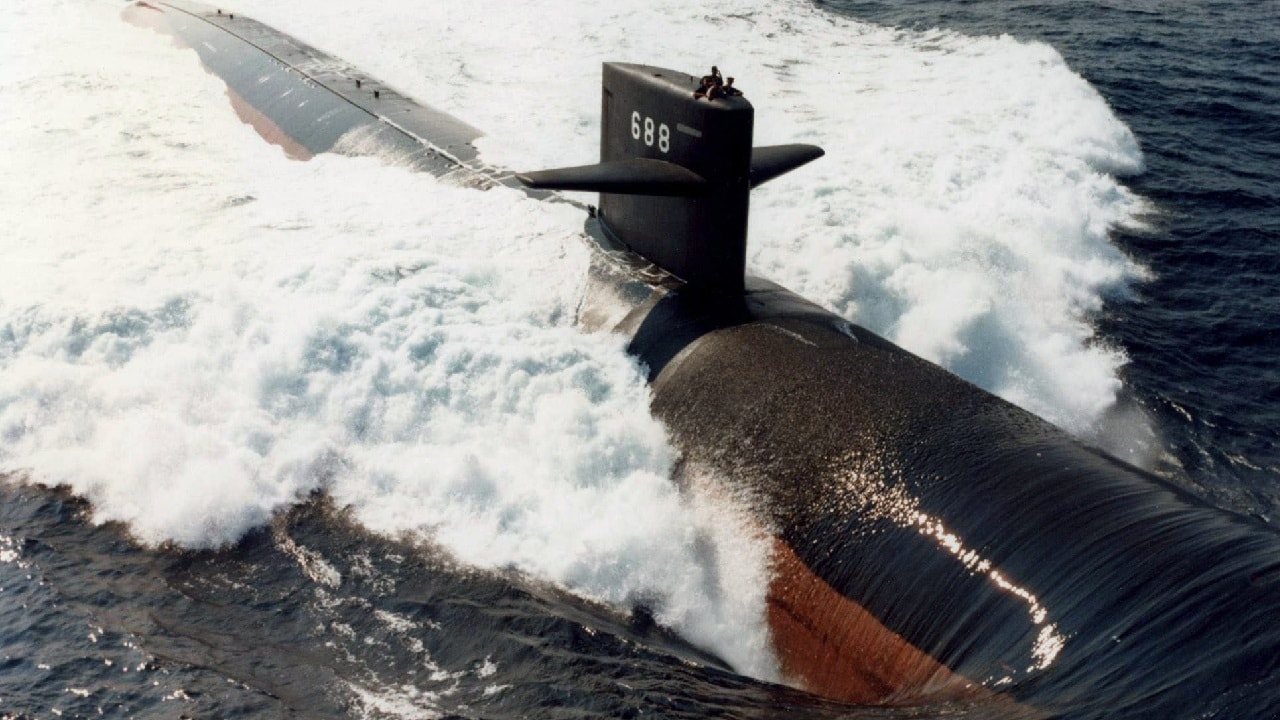
Los Angeles-class attack submarine. Image Credit: Creative Commons.
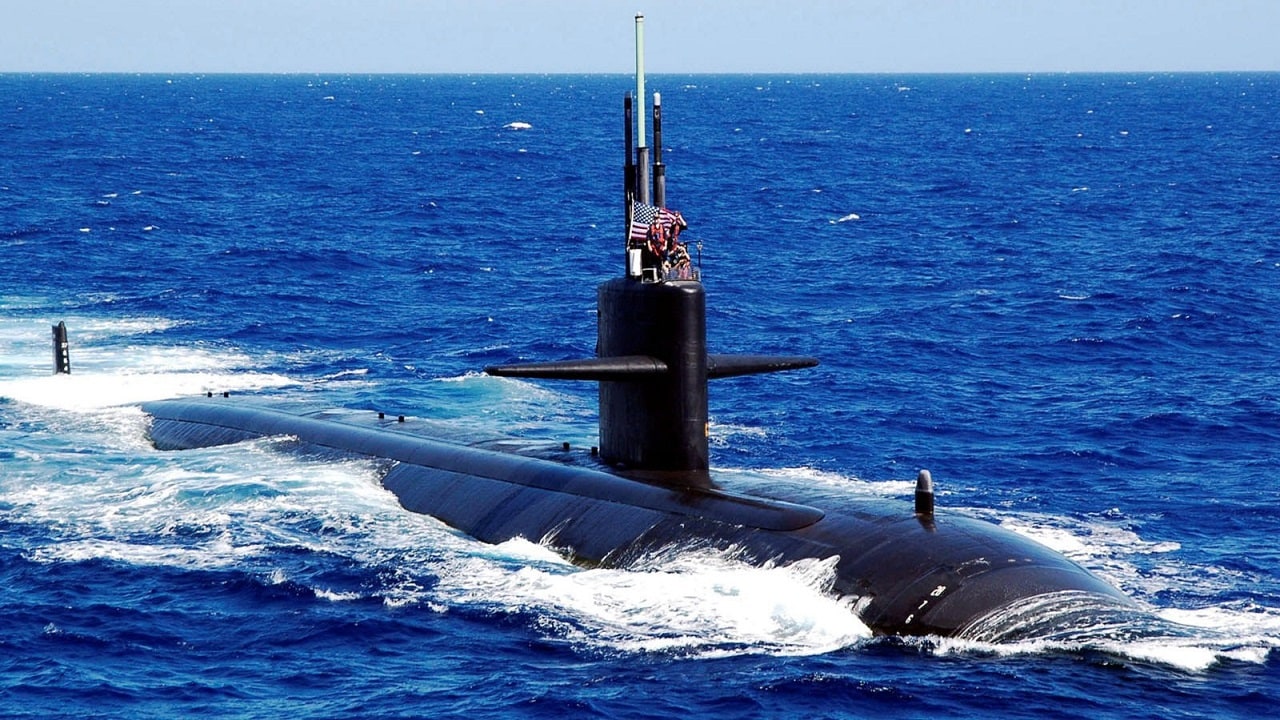
US Navy Los-Angeles Attack Submarine. Image Credit: Creative Commons.
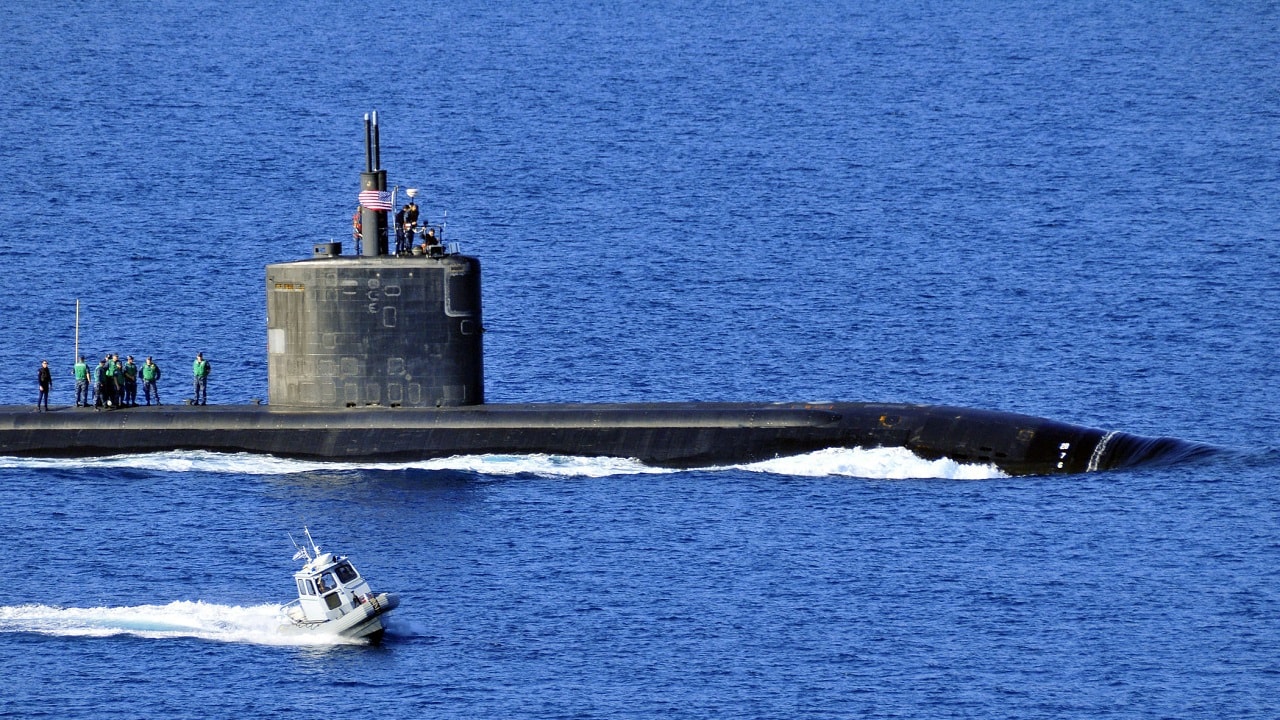
Los-Angeles Class submarine USS Annapolis.
Why the Collision Occurred
The root cause of the collision was faulty navigational data. The seamount was known to exist, but it was misplotted on navigational charts and shown miles from its actual position.
Compounding the faulty data, the crew did not adequately cross-check navigational charts, relying instead on the digital navigation systems. Sonar was limited, too, as forward sonar is not optimized for high-speed obstacle detection.
The accident was ultimately human and procedural, with the crew operating under pressure to maintain speed and working under the assumption that the charts were reliable; technology is not solely to blame.
Technological Factors
Submarines rely on inertial navigation systems, digital charts, and sonar to find their way safely through the undersea. Sonar is a limited tool, designed primarily for detecting other systems, not for mapping terrain at high speed.
And while forward-looking sonar exists, it is limited in range and not foolproof at transit speeds. This becomes a problem when faced with the unknowns of undersea terrain, which is incompletely mapped even today.
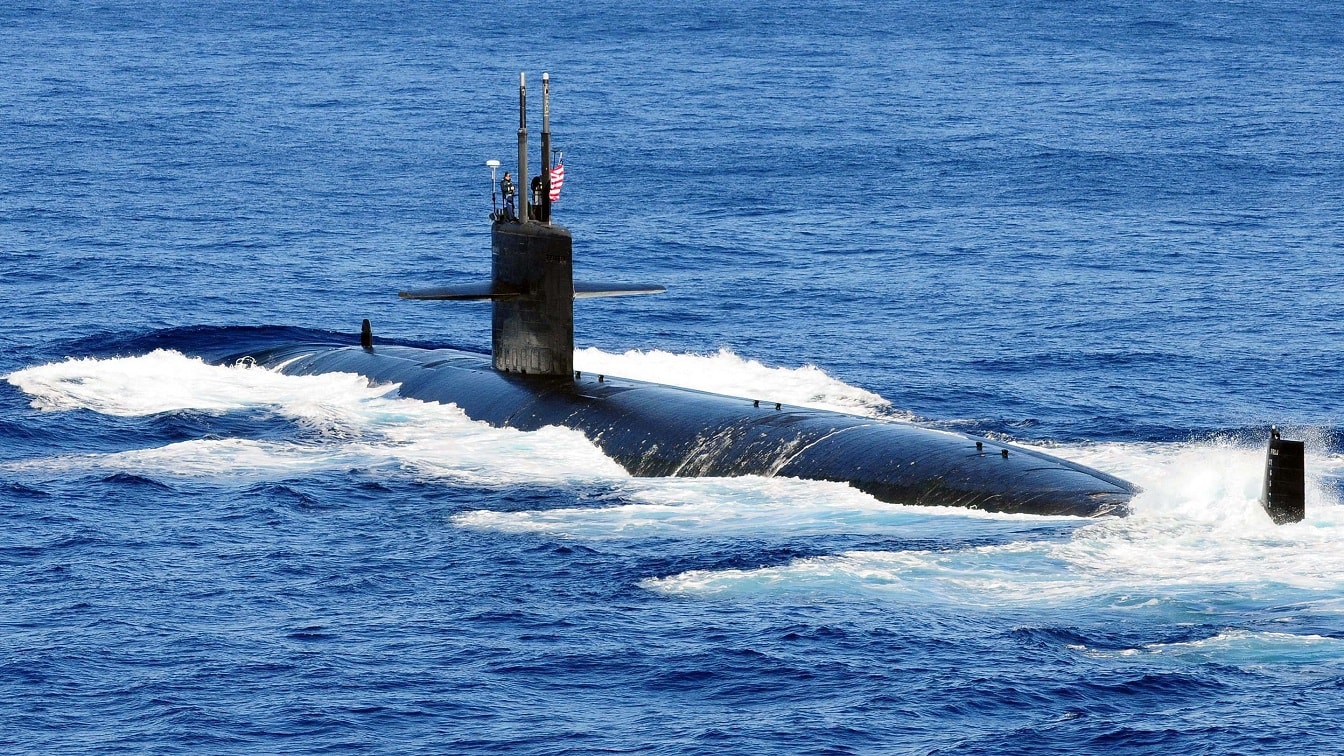
PACIFIC OCEAN (Dec. 10, 2010) The Los Angeles-class attack submarine USS Houston (SSN 713) takes part in a photo exercise at the conclusion of exercise Keen Sword 2011. The exercise enhances the Japan-U.S. alliance which remains a key strategic relationship in the Northeast Asia Pacific region. Keen Sword caps the 50th anniversary of the Japan – U.S. alliance as an “alliance of equals.” (U.S. Navy photo by Mass Communication Specialist 3rd Class Casey H. Kyhl/Released)
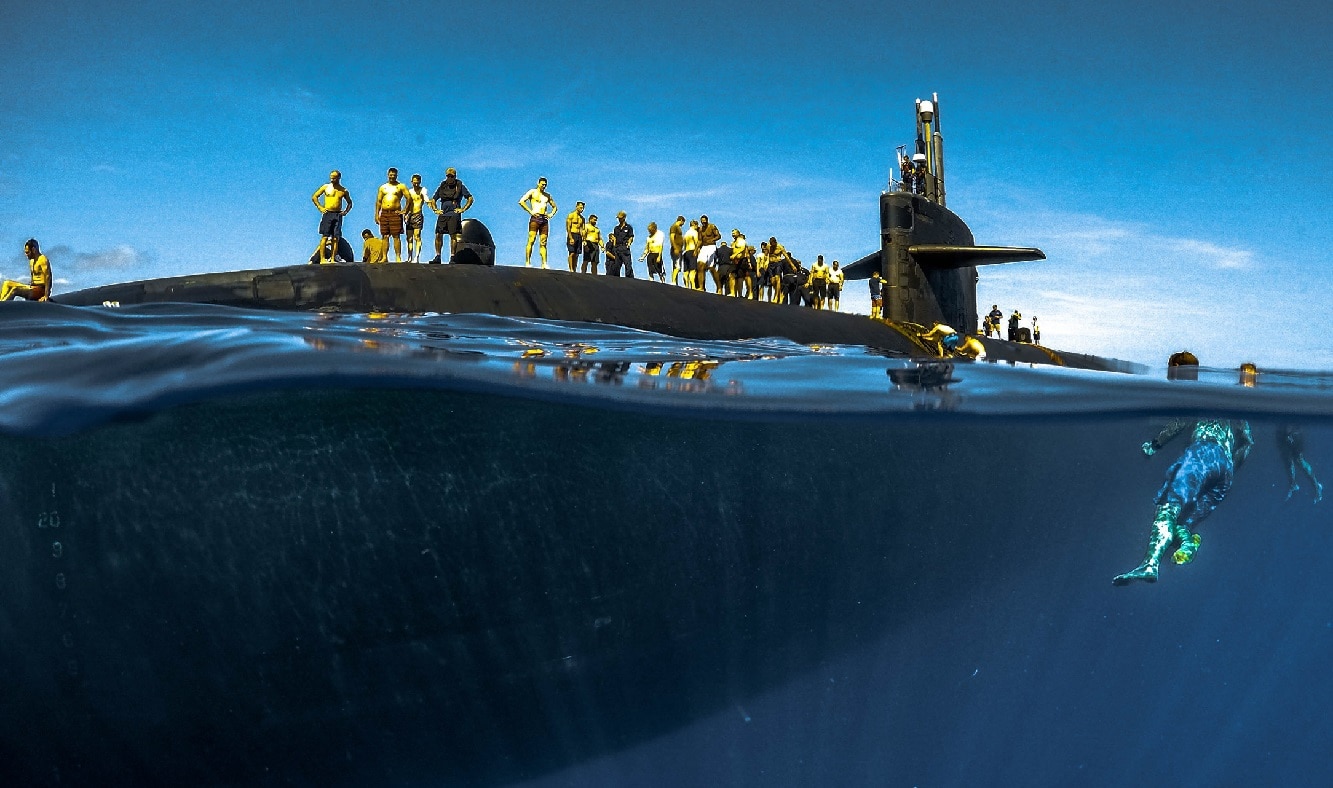
PACIFIC OCEAN (July 31, 2018) – Sailors assigned to Los Angeles-class fast-attack submarine USS Olympia (SSN 717) participate in a swim call at sea, July 31 (U.S. Navy photo by Fire Control Technician Senior Chief Vien Nguyen)
The ocean floor remains less understood than land geography, and is famously said to be more mysterious to humans than the surface of the moon. As the San Francisco incident demonstrates, humans still have a capped limit on situational awareness undersea.
Aftermath of the Collision: What Did the U.S. Navy Do?
After colliding with the undersea mount, the San Francisco limped back to Guam.
Temporary repairs allowed transit to the U.S. mainland, where a command investigation was initiated.
The investigation found that significant leadership and procedural failures had taken place.
The commanding officer was ultimately relieved, while the executive officer was disciplined. The Navy took the opportunity to emphasize accountability and safety culture. The San Francisco was repaired at great cost and returned to service.
Lessons Learned
The incident offered important lessons.
Digital data must be questioned. It should be used as a reference, but not trusted blindly. Redundancy in navigation is essential. Procedural changes were implemented after the collision, including improved chart verification and better crew cross-checking.
Culturally, the incident led to reduced pressure to maintain high transit speeds, with a new emphasis placed on risk management. More broadly, the incident underscored that advanced platforms, even SSNs, still rely on human judgment.
Legacy of the Submarine Incident
Twenty-one years later, the hard truths about the undersea remain.
The expansive world beneath the ocean’s surface is poorly mapped and poorly understood, yet increasingly crowded. Submarines still operate at high speed with nuclear reactors on board, meaning the consequences of errors are potentially catastrophic.
As autonomy and digital navigation increase, the risk of overconfidence grows.
But as the USS San Francisco demonstrated, the ocean can be unforgiving. And survival often depends on human judgment and exacting procedures.
About the Author: Military Expert Harrison Kass
Harrison Kass is an attorney and journalist covering national security, technology, and politics. Previously, he was a political staffer and candidate, and a US Air Force pilot selectee. He holds a JD from the University of Oregon and a master’s in global journalism and international relations from NYU.