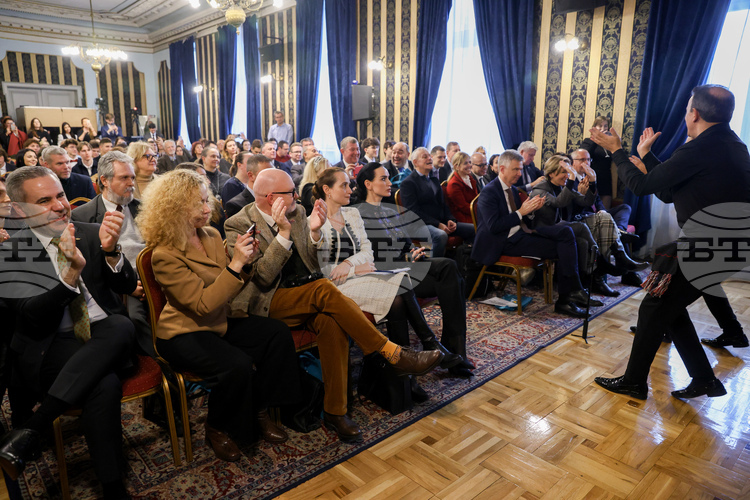
As Bulgaria formally joined the eurozone on January 1, reactions from experts, government officials and EU representatives at a discussion on the priorities of the Cyprus Presidency of the Council of the European Union held in Sofia on Thursday, underscored the move’s historic significance and strategic importance, even as public backing remains below majority levels.
A Eurobarometer survey cited by PanEuropa Bulgaria’s chair Gergana Passy showed that less than 50% of Bulgarians now support adopting the euro, a situation she attributed in part to a “delayed and inadequate communication campaign”. Passy said the era of broad consensus appears to have ended and that future dialogue efforts must be more focused.
Despite the lukewarm public sentiment, international figures highlighted the historic importance of Bulgaria’s entry into the monetary union. Norbert Beckmann-Dierkes, head of the Konrad Adenauer Foundation’s Sofia office, described eurozone membership as a milestone for both Bulgaria and Europe, reflecting strong interest from European media and a positive focus on the new currency’s reception and expected performance.
From a governmental perspective, outgoing Deputy Foreign Minister Nikolay Pavlov emphasized that participation in eurozone decision-making, including at the European Central Bank and other financial institutions, will help ensure Bulgaria’s financial stability and prosperity. He said this strategic choice confirms Bulgaria’s place within a united and strong Europe and aligns with broader EU cooperation priorities, particularly in defence and security.
At a related forum on the Cypriot Presidency of the EU Council, Cyprus Ambassador Haralambos Kafkarides noted that deepening EU autonomy is central to current EU priorities. He congratulated Bulgaria on its eurozone entry and discussed the need for unity and enhanced capabilities in defence, economic security, and energy connectivity amid ongoing geopolitical challenges.
Highlighting the broader institutional view, Yordanka Chobanova, Head of the European Commission Representation in Bulgaria, said Bulgaria’s accession strengthens the eurozone, increasing the euro’s global weight. She pointed to sociological data showing lower support for the euro now than in other countries when they were adopting the currency, but stressed the broader positive trends seen in existing eurozone states, including improved opportunities and migration patterns. Chobanova also underscored EU priorities of competitiveness, unity and strategic investment in areas such as defence and innovation.