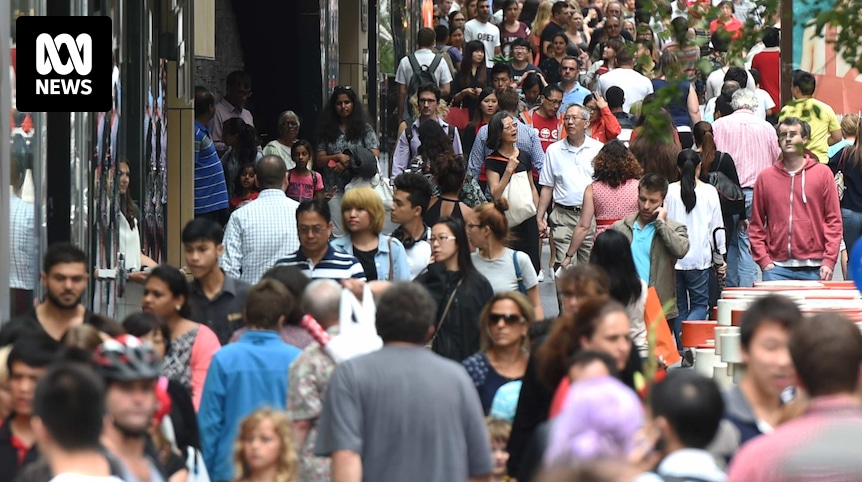
Australia’s population is forecast to reach 28 million people in 2026 despite a drop in overseas migrants and a low birth rate.
The Centre for Population’s 2025 Population Statement shows Australia’s population growth is projected to slow to a record low of 1.3 per cent this year, down from 1.5 per cent last year.
The slow growth has been driven by a projected decrease in migrant arrivals and increase in migrant departures, according to the centre’s projections.
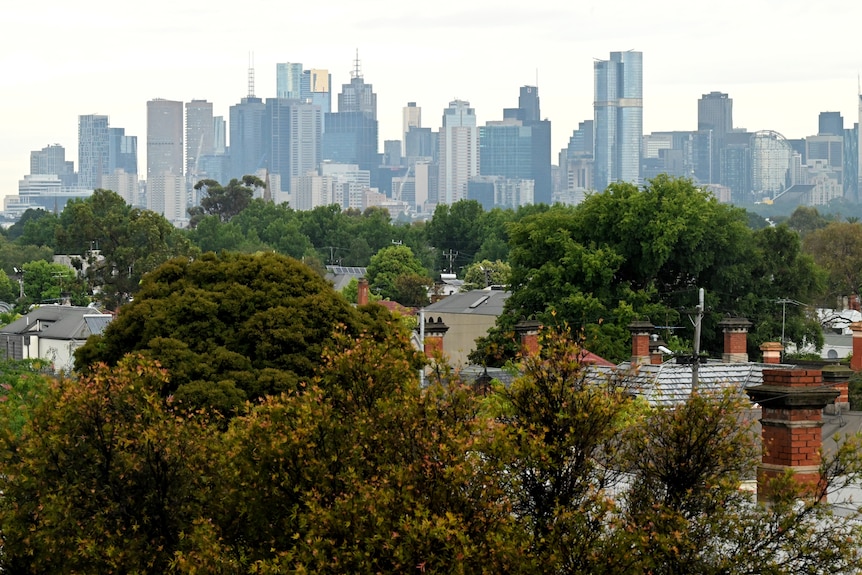
Melbourne is set to become Australia’s most populous city in the 2060s. (AAP: James Ross)
Net overseas migration is expected to fall to 260,000 in 2026, roughly half the number it was in 2023 when migration to Australia surged after the pandemic.
That drop is projected to be driven by migrant departures, with many people who arrived in post-COVID Australia on temporary visas approaching the expiry date of their visas.
Immigration is expected to be a politically contentious topic this year, with the federal opposition keen to keep the heat on the government over the number of migrants entering Australia.
The Coalition, which is yet to release its migration policy, has flagged it will seek to include a tougher language test for aspiring migrants to Australia in its policy.
Australia’s birth rate projected to continue falling in 2026
Australia’s birth rate is also expected to continue its downward trajectory this year to 1.45 children per woman, as couples choose to delay having children and opt for smaller families.
However, that number is expected to recover to 1.62 by 2031-32 and remain at the level for a while, but still below the replacement level of 2.1 children per woman.
While two-child families are still the most common in Australia, the rate of couples choosing not to have children has steadily risen and sits above countries such as the US and Denmark.
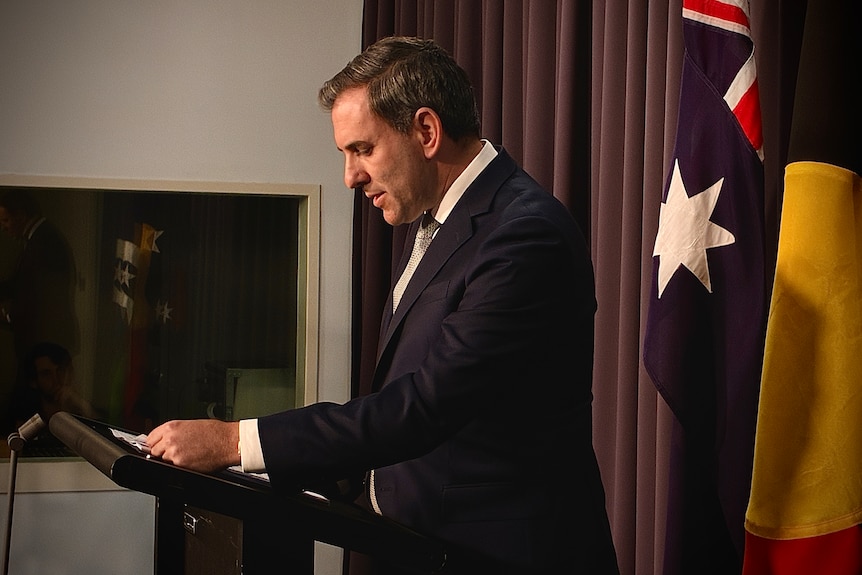
Jim Chalmers says the federal government wants to make it easier for people to have children. (ABC News: Joel Wilson)
Treasurer Jim Chalmers said the federal government was working to roll out programs that would encourage Australians to have children.
“The Albanese government is rolling out policies to ease pressure on families and make it easier for people to have children if they want to,” Mr Chalmers said.
Meanwhile, dementia has overtaken ischaemic heart disease as the leading cause of death in Australia, according to the centre’s data.
Why women are choosing not to have babies
While Australia remains younger than many other similar economies, the nation’s median age is expected to rise 1.8 years to 40.2 years by 2035-36.
The centre projects Western Australia will have the highest population growth rate due to net overseas migration and migration from other states and territories.
Tasmania and South Australia are expected to be the slowest-growing states from 2026 to 2036, according to the centre’s data.
New South Wales is projected to remain Australia’s most populous state, reaching 9.6 million people by 2035-36 — about 30 per cent of the national population.
Both Sydney and Melbourne are projected to pass 8 million in the 2050s, with Melbourne forecast to become the nation’s most populous city, reaching 9.1 million by 2066.