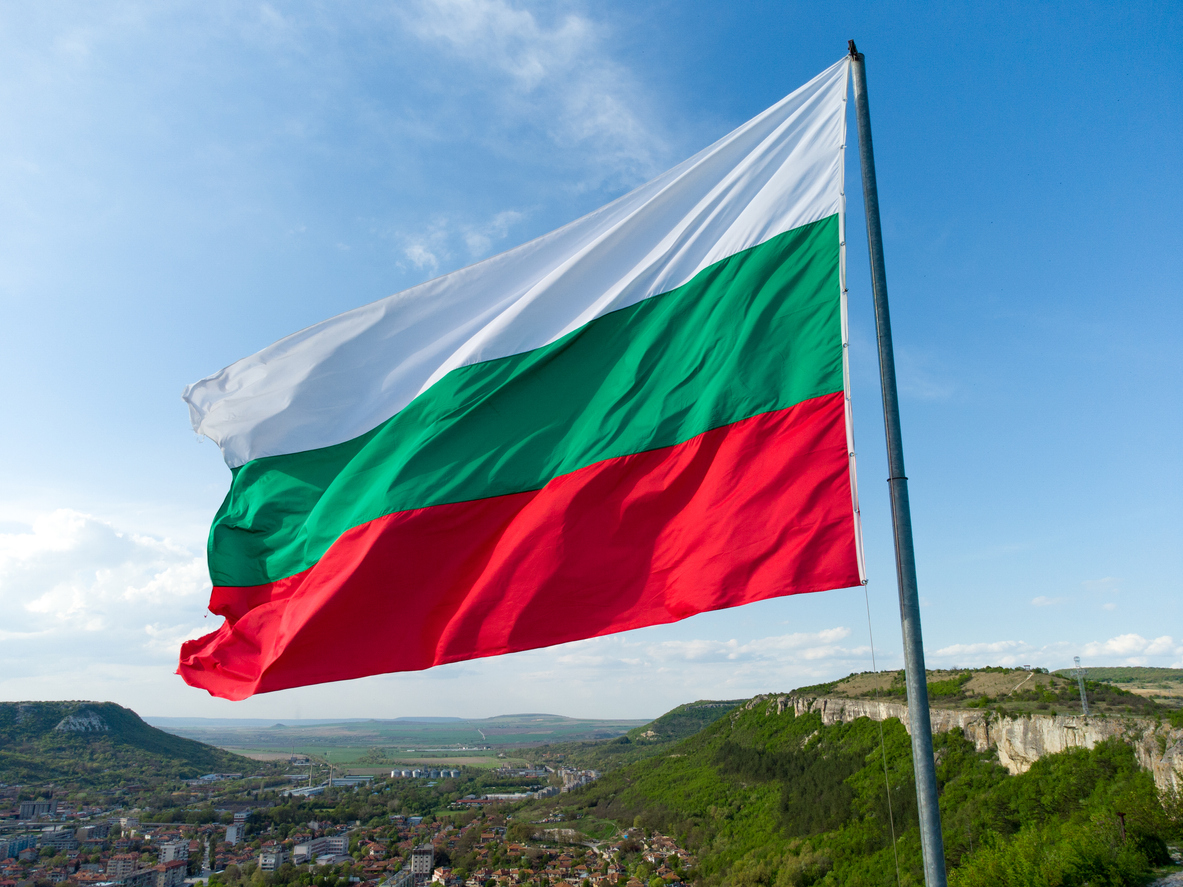
As of January 1st, Bulgaria has joined the eurozone. The euro is now the official currency in the country. As currency conversions are now eliminated, international shops can now sell products in this country more easily. This offers new opportunities for the online retail trade.
Low ecommerce adoption
So far, ecommerce in Bulgaria has been known to be less established than in other European countries. In 2025, online revenue was estimated to have reached around 1.4 billion euros.
When looking at the share of frequent online shoppers, the country also scores lower. In the southeast of Bulgaria, in the region of Yugoiztochen, the share of frequent online shoppers was 21.7 percent in 2024. This is a big difference compared to the province of Utrecht in the Netherlands, where the share was 91.5 percent.
Bulgaria is the 21st member of the eurozone
Now, the country has become the 21st member of the eurozone. The country’s financial institutions can now participate in Europe’s central payment systems, which ensures a smoother payment process.
More attractive market
Online retailers that sell cross-border, to Bulgarian customers, will no longer need to apply currency conversions. This simplifies their payment process, and eliminates the need for hedging against exchange rate risks. This makes the Bulgarian market more attractive for European online sellers.
‘The country can become strategically attractive for retailers and platforms’
Additionally, the country could become a relevant location for fulfillment, logistics or nearshoring. “The combination of lower costs and access to the entire Eurozone infrastructure makes the country strategically attractive for retailers and platforms”, expects Retail News, a German online news outlet.