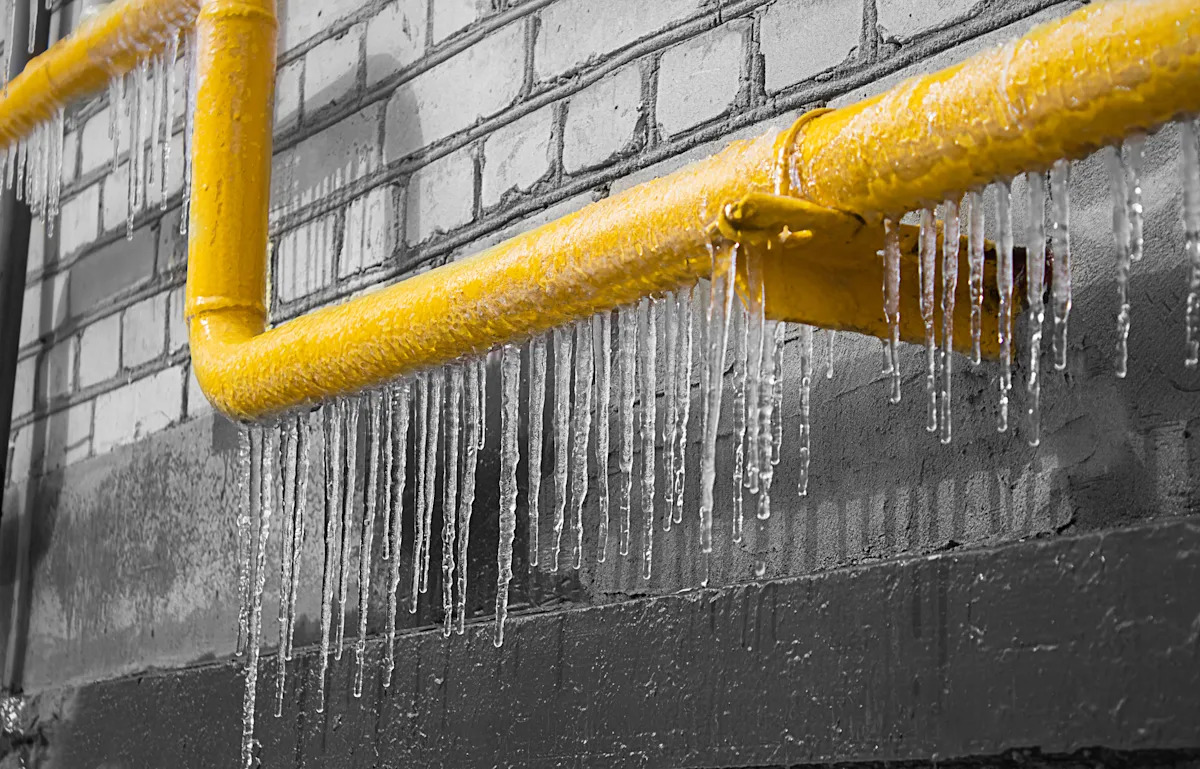
Wintry conditions are gripping swathes of the UK this week, with Storm Goretti hitting the wake of snow and freezing conditions that led to multiple cold weather warnings.
In recent days, British Gas was among those to issue warnings to households about the risks of water pipes freezing. South West Water also urged homeowners to prepare their homes to help avoid an anticipated high number of bursts.
So when should homeowners worry that their pipes might freeze up – and what are the clear warning signs that something could be about to go wrong?
What are the warning signs your pipes could freeze?
Warning signs that your pipes are freezing include strange noises from your pipes or central heating (such as gurgling or banging), Harris says.
Households might also notice that water is flowing more slowly, or stopping altogether.
“The first warning signs of pipes freezing include little or no water from taps, frost or condensation on pipes, a cold or non-working boiler, and a toilet that won’t refill,” says Harris.
British Gas provides this helpful checklist for households to check:
Your central heating makes gurgling sounds when it’s on
Your boiler won’t turn on
There’s no water coming out of your taps, or just a trickle
Your sink is clogged and your toilet is flushing slowly.
What temperatures are water pipes likely to freeze?
Temperatures have plunged this week, reaching as low as -12.5C on Monday night in Marham, Norfolk.
The Met Office has issued a yellow warning for ice for the bottom half of Scotland, much of Wales and almost all of England, lasting from midnight Tuesday until 10am on Wednesday. (You can read our full weather breakdown for this week here.)
Concerningly, water pipes can freeze any time the temperature drops below zero, according to Steve Harris, Technical Support Engineer at Wavin, a leading UK manufacturer and supplier of pipes.
What increases the risk factors are prolonged cold spells, areas where pipes can get very cold (i.e. in unheated areas), and when the water has not been running (for instance, if you’ve been out of the house).
Harris, who has 20 years’ plumbing experience, told Yahoo News: “Pipes are at risk of freezing whenever the temperature drops below zero, so homeowners should have an eye on their plumbing system during any cold snap. You should take particular care if you have copper pipes, or if you’ve been away from the property for some winter sun and haven’t had the taps running or the heating on.”
How can you prevent your pipes freezing?
If you anticipate there might be a cold spell coming, there are several steps you can take to stop pipes from getting too cold.
South West Water advises households to take steps such as wrapping up your pipes and water tanks with lagging – especially those in unheated areas such as lofts, garages or gardens.
Leaving the heating on low if you go away (13C) and bleeding your radiators will also reduce the risk of radiator pipes freezing.
Jobs that many put off for another day – such as checking your central heating boiler has been serviced – are also worth prioritising sooner rather than later. As is checking you know where the inside stop tap is in case you need to turn it off in the event of a burst pipe.
“As ever, good preparation is the best form of defence,” Harris says.
“Cover exposed pipes in unheated areas like basements, attics and garages. Try to maintain a warm temperature indoors by keeping the heating on at a low level, and open cabinet doors under sinks to allow warm air to circulate around plumbing.”
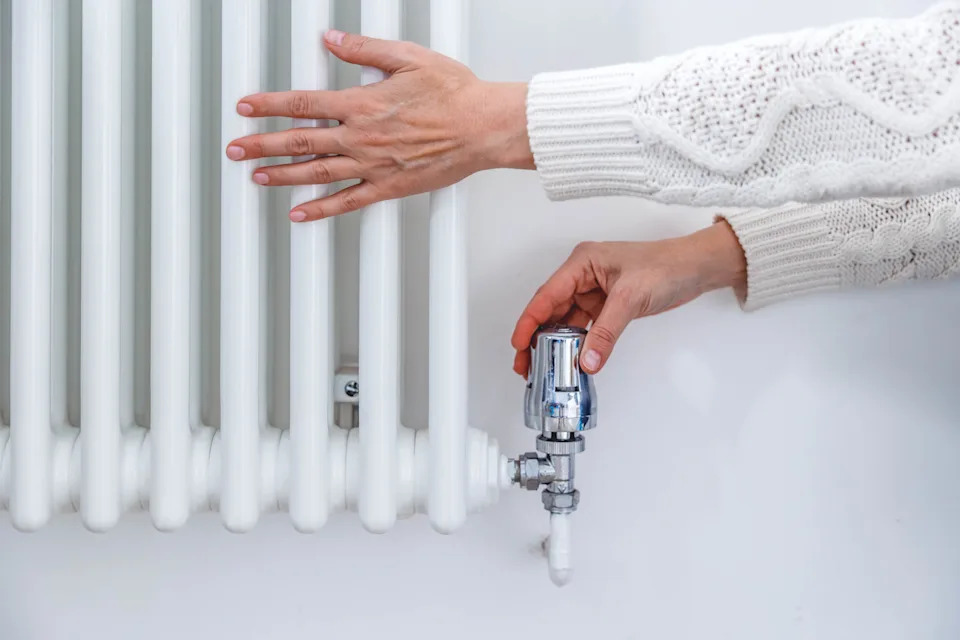
Keeping your heat on low while you’re away is a good way to prevent your pipes from freezing. (Getty Images)
What should you do if you think your pipes are frozen?
Problems are most likely to arise in cold areas, such as lofts or areas where pipes run under sinks or in garages.
If you suspect a problem, turn off the water immediately.
“If you find your pipes are frozen, check your stop tap and shut off your water supply immediately to prevent damage,” advises Harris. “Then use a hairdryer or some hot towels to gradually thaw it out, inspecting carefully for cracks or damage before you turn the water back on.
The key thing is not to try to achieve results too rapidly, Harris says: “Never use a blowtorch or naked flame to thaw a frozen pipe, as the sudden change in temperature could cause it to warp or crack.”