
Published on
January 9, 2026

Starting in 2026, the Netherlands joins a growing list of European countries, including the UK, France, Italy, Spain, Greece, and others, in implementing lodging taxes aimed at boosting tourism while managing its impact. Key cities such as Amsterdam, London, Paris, Rome, Barcelona, and Athens will see these new measures that include accommodation levies, access fees, and eco-taxes. These taxes are designed to ensure sustainable tourism, alleviate overtourism pressures, and fund local infrastructure improvements. As more destinations across Europe follow this trend, travelers can expect to pay higher fees, but they will also help maintain and improve the regions they visit. While the changes may deter budget-conscious tourists, they could also lead to a more controlled and eco-conscious approach to tourism in major European cities.
Netherlands: The Tax on Tourism and Cruises

In the Netherlands, Amsterdam has introduced the highest accommodation tax in Europe, at 12.5% of the room price. In addition, cruise passengers now face a €15 daily “transit” tax. Zaanse Schans, a famous windmill village, has introduced an entry fee for day-trippers, pushing the total cost for visitors.
These changes in Amsterdam and the surrounding areas could see a decline in short stays and day trips. While they may reduce the strain on local resources, tourists may look for cheaper alternatives, possibly less visited cities in the Netherlands.CityTax DescriptionCost RangeAmsterdamAccommodation tax and cruise transit tax12.5% of room price + €15 per day for cruisesZaanse SchansEntry Fee for day-trippers€17.50
United Kingdom: The Rise of the “City Taxes”
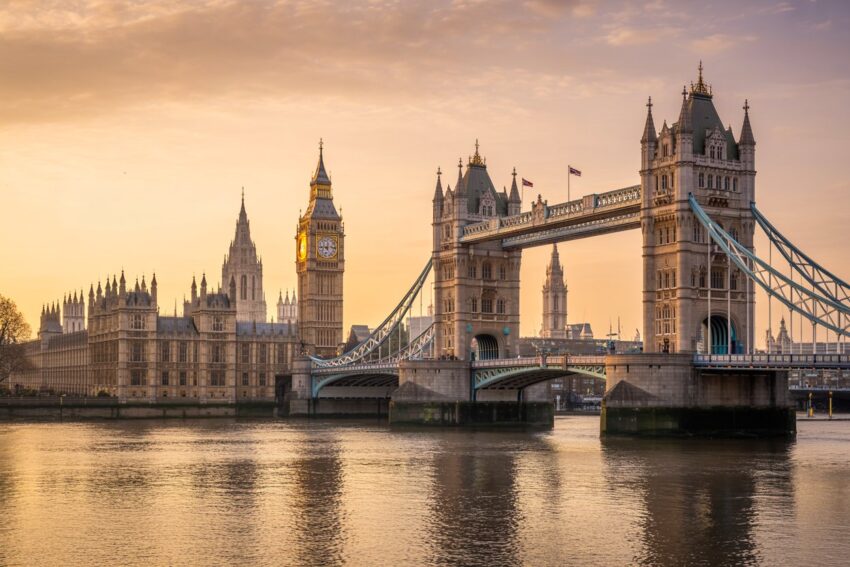
The United Kingdom is following the trend of introducing tourism taxes, which is expected to change the way visitors experience major cities like London, Edinburgh, and Manchester. In 2026, London’s introduction of a 5% accommodation levy may deter budget-conscious travelers, pushing them to explore more affordable destinations. Edinburgh’s official launch of a similar tax in July 2026 further signals a shift towards higher costs for travelers. Manchester’s £1 per room “City Visitor Charge” continues its steady role in generating revenue for local improvements.
These levies could redirect tourists to less-taxed regions in the UK, like Wales or Northern Ireland, but cities will continue to use these funds to combat overtourism and improve infrastructure. While local economies may benefit, travelers may reconsider expensive destinations, especially with the additional costs.CityTax DescriptionCost RangeLondon5% levy on accommodation£10–£12 per night (mid-range stays)Edinburgh5% levy on accommodation (max 5 nights)Based on room rateManchesterCity Visitor Charge£1 per room, per night
France: Higher Taxes, Higher Expectations

France has long been a popular destination for tourists, and in 2026, the country has increased its taxes to manage demand in major cities like Paris. The Taxe de Séjour has been raised, especially for higher-end hotels, pushing the cost for travelers seeking luxury stays. Regional surcharges in areas like Île-de-France will fund local transport systems, such as the Grand Paris Express. Additionally, museums like the Louvre and Versailles have introduced higher pricing for non-EU visitors.
These price hikes could push tourists to reconsider luxury stays and focus more on budget options or less-crowded regions. France’s tax increases show a deliberate shift towards controlling the influx of tourists, ensuring sustainable tourism while still maintaining the country’s charm for those willing to pay the price.CityTax DescriptionCost RangeParisTaxe de Séjour for hotels€5.20 (3-star) to €15.60 (luxury hotels)RegionalSurcharge for local transportVaries by regionMuseumsHigher pricing for non-EU visitors€25–€30 per ticket
Italy: Managing Crowds with Entry and Access Fees
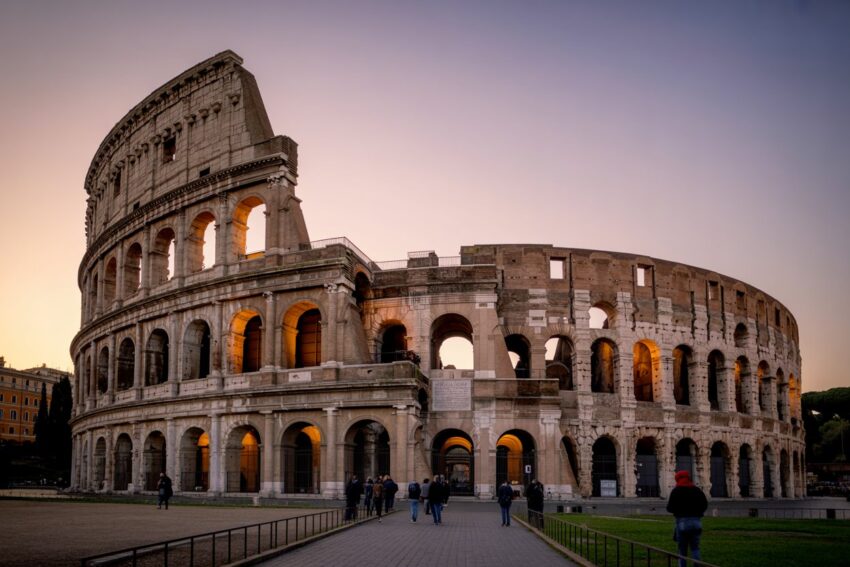
Italy has responded to overtourism with creative measures, including fees for both accommodations and day-trippers. Venice’s new Access Fee for day visitors will impact peak travel seasons (April–July), especially for those looking to visit without staying overnight. Rome’s tiered hotel tax based on stars provides a clear structure for managing accommodations. Additionally, the introduction of a €2 fee at the Trevi Fountain in 2026 marks a notable step in controlling access to the country’s iconic sites.
The impact on tourism will likely lead to changes in visitor behavior, with many opting to visit less crowded destinations or considering off-season travel. These taxes may also encourage tourists to spend more time in the cities, increasing per-visitor spending while controlling the number of visitors at key sites.CityTax DescriptionCost RangeVeniceDay-tripper Access Fee (peak season)€5 for advance bookings, €10 for last-minuteRomeHotel tax based on stars€4 (1-star) to €10 (5-star) per nightTrevi FountainEntry Fee for lower basin€2 entry fee
Spain: A Price for Sustainability

Spain has implemented various taxes to address the environmental strain caused by tourism. Barcelona’s surcharge, combined with regional taxes, will increase accommodation costs, especially for luxury visitors. In the Balearic Islands, the Sustainable Tourism Tax remains in effect, fluctuating based on accommodation type and season. Meanwhile, Tenerife in the Canary Islands has introduced an “Eco-tax” for popular hiking trails in Mount Teide National Park.
This collection of taxes could encourage tourists to be more mindful of their environmental impact, potentially decreasing the number of short-term, high-impact visits while pushing for a shift towards more sustainable travel. The taxes will likely change the tourism dynamic, especially for eco-conscious travelers.RegionTax DescriptionCost RangeBarcelonaMunicipal surcharge and regional Catalonia tax€5 per night (up to €15 for luxury hotels)Balearic IslandsSustainable Tourism Tax€1–€4 per nightCanary IslandsEco-tax for hiking trails€10–€25
Greece: A Seasonal Approach to Tourism
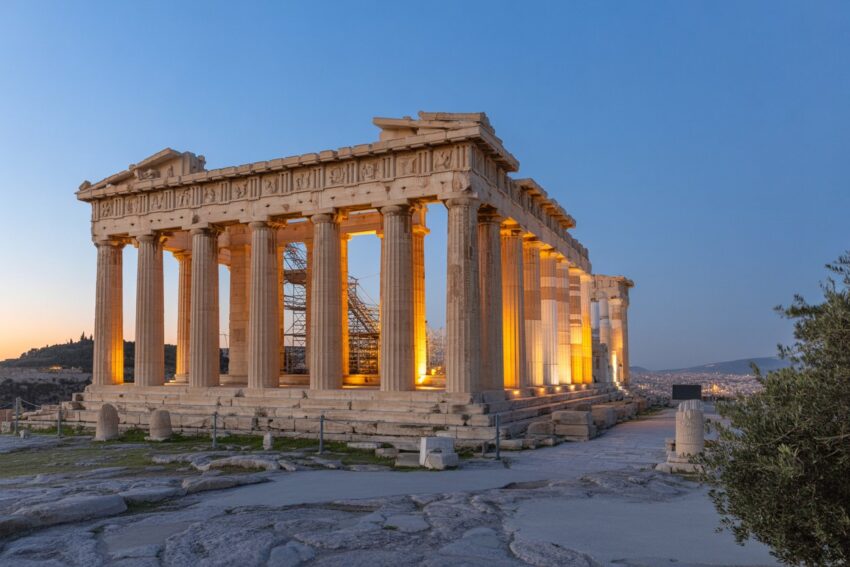
Greece has introduced a new “Climate Resilience Fee” to address the challenges posed by overtourism, including the recovery from climate-related disasters. This fee varies by season, with higher charges during the peak months of March to October and lower rates during the off-season. The fee is also based on accommodation type, ensuring that luxury travelers contribute more.
This approach could reduce the number of visitors during peak months, but may encourage off-season travel, which can be beneficial for both the environment and local businesses. This shift could also see a rise in sustainable travel practices.RegionTax DescriptionCost RangeGreeceClimate Resilience Fee€1.50 (apartments) to €15 (5-star hotels)
Romania: Introducing a Fixed Tax for All Visitors

Romania’s newly implemented fixed tax of 10 RON (~€2) per night for all visitors staying in paid accommodation started in January 2026. This simple and consistent tax is a straightforward way to help fund the country’s tourism infrastructure and services.
This tax is unlikely to drastically change tourism dynamics in Romania, but it will contribute to a more sustainable tourism model, ensuring that all visitors pay a fair share towards local improvements. Romania’s low cost of living means this fee will likely remain manageable for tourists.CityTax DescriptionCost RangeBucharestFixed nightly tax10 RON (~€2) per night
Norway: New Contribution for Popular Municipalities

Norway has introduced a National Visitor Contribution that allows municipalities to charge up to 3% of the accommodation cost. The new tax is expected to be implemented in high-demand areas like the Lofoten Islands and Tromsø starting Summer 2026.
This levy will likely contribute to the management of tourism in some of Norway’s most scenic spots. It will help fund infrastructure and ensure that tourism does not overwhelm these fragile ecosystems. However, it may also shift tourist focus to other less-taxed areas of the country.RegionTax DescriptionCost RangeNorwayNational Visitor ContributionUp to 3% of accommodation cost
ETIAS Requirement: A Step Towards Streamlined Travel
Starting late 2026, the ETIAS (European Travel Information and Authorization System) will be required for most non-EU citizens (including Americans and Brits). This €20 ($22 approx) fee is valid for 3 years or until your passport expires, and it will be required for entry into 30 European countries.
While this new entry requirement may seem like a minor hurdle, it could act as a deterrent for those considering a last-minute trip. However, the funds generated will likely go toward improving the travel infrastructure and security across Europe.RegionTax DescriptionCost RangeAll EU CountriesETIAS Entry Fee€20 ($22 approx)
Starting in 2026, the Netherlands joins the UK, France, Italy, Spain, Greece, and others in implementing lodging taxes to boost tourism. Cities like Amsterdam, London, Paris, Rome, Barcelona, and Athens will be impacted.
Conclusion
Netherlands is set to join the UK, France, Italy, Spain, Greece, and other European countries in implementing lodging taxes starting in 2026. These changes will impact major cities like Amsterdam, London, Paris, Rome, Barcelona, and Athens, as part of efforts to boost tourism while managing its environmental and infrastructure costs. While these new taxes may raise the cost for travelers, they aim to support sustainable tourism, reduce overtourism pressures, and fund local improvements. As more cities adopt these measures, tourists will need to adjust their expectations, but the funds raised will help preserve the attractions they come to visit.
