Events in Iran are moving fast enough that today’s certainties can look outdated by tomorrow. After Kurdish groups called for a general strike, reports suggested thousands across western Iran signaled—one way or another—that they were ready for the January 8, 2026, gatherings. Many also expected Iran’s former crown prince, Reza Pahlavi, fresh back from vacation, to issue a statement calling for coordination or escalation. Instead, he told people to shout from their rooftops on January 8 and 9.
Widespread unrest in Tehran and cities across the country, reports of deaths in several regions, and the internet shutdown all suggest the regime is under pressure. The Islamic Republic uses communication blackouts when its control slips because it is easier to isolate people than to respond to them. Whatever the tactical benefit, it signals the regime is bracing for confrontation, not compromise.
[Pahlavi] told people to shout from their rooftops on January 8 and 9.
Patrick Bet-David, an Iran-born American podcaster, has exposed tensions within Iran’s opposition ecosystem. When he questioned Reza Pahlavi’s political approach on his show and later on Iran International TV, reactions were swift and intense, shaped in part by the perception among critics that the channel is sympathetic to Pahlavi.
Bet-David continued to press his point in subsequent episodes of his podcast, referencing online attacks by Pahlavi supporters and questioning how much independent political weight the former crown prince carries beyond name recognition and symbolism. His underlying argument was not about personalities, but about process. Influence, he suggested, should be tested through transparency and accountability, not assumed through inherited status or branding.
The exchange appeared to spark a broader media and online response, with some outlets and platforms increasingly framing Pahlavi as a leading or even default alternative to the Islamic Republic. Critics questioned whether this reflected political reality or the preferences of a vocal segment of the diaspora. Bet-David had said on live TV that he had contacted Pahlavi and that his messages were seen but not answered, a silence that, for some critics, reinforced doubts about Pahlavi’s engagement style at a moment when clarity and responsiveness mattered.
Soon afterward, social-media figures, including Laura Loomer, claimed that the former crown prince was expected to attend a prayer event at Mar-a-Lago. These reports were widely shared online and interpreted by supporters as a sign of proximity to U.S. power. However, no official confirmation of a presidential meeting was issued, and much of the significance attributed to the event was speculative. As is often the case in polarized online environments, symbolism quickly took on a life of its own.
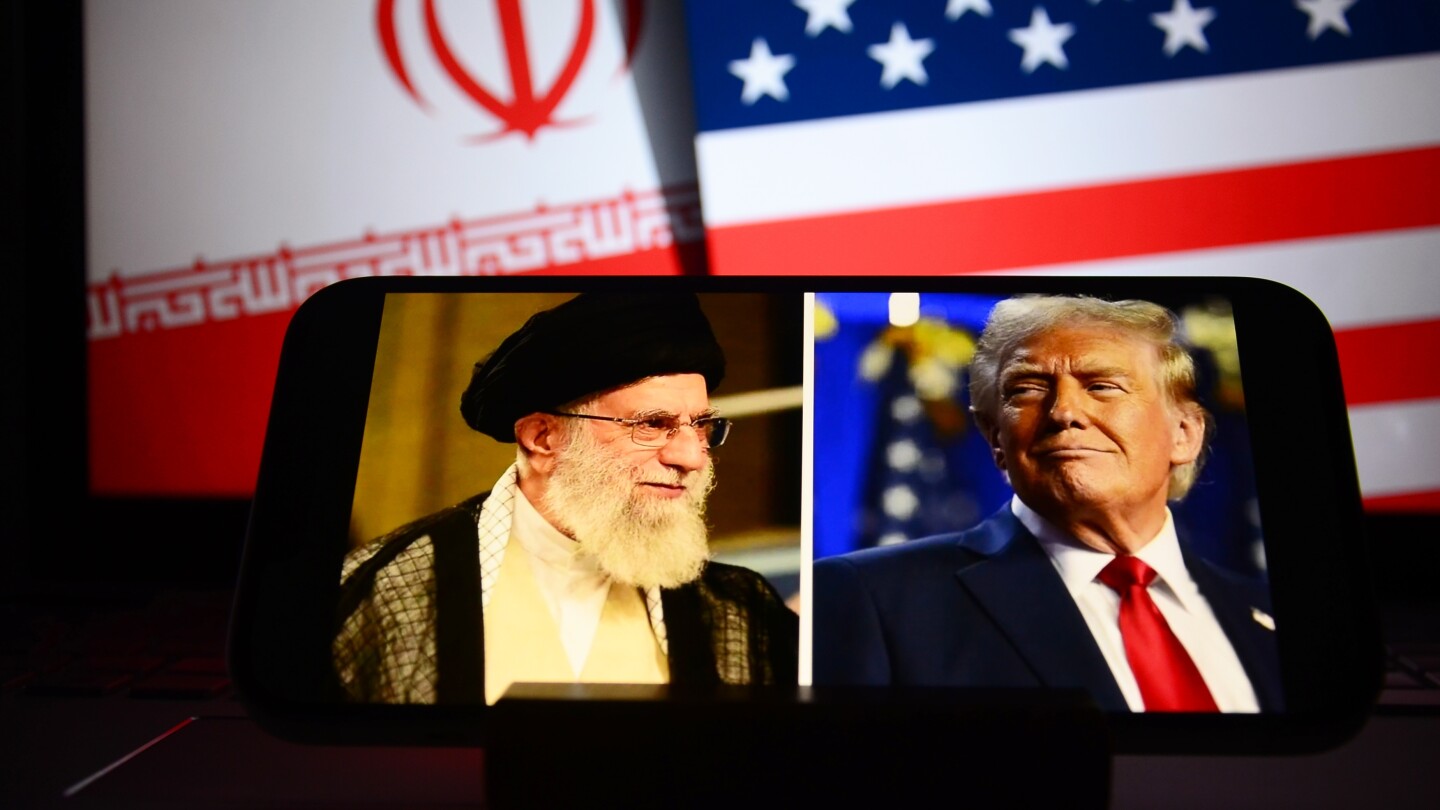
On January 8, as protests and clashes continued inside Iran, conservative radio host Hugh Hewitt spoke with President Donald Trump about Iran and asked how he viewed reports of violence against demonstrators. Trump warned Tehran against killing protesters and suggested that serious consequences would follow if repression intensified. When asked specifically about meeting Reza Pahlavi, however, Trump struck a notably cautious tone. He described Pahlavi as a “nice person” but said he did not believe such a meeting would be appropriate at this stage. More significantly, Trump added that he preferred to “let everybody go out there and see who emerges,” signaling reluctance to anoint any single opposition figure.
Trump’s comments undercut the idea that Western governments are prepared to rally behind a preselected leader.
For some Pahlavi supporters, the remarks were disappointing. For critics, they reinforced a broader point: International actors appear far less convinced by claims of inevitability circulating in online discourse than those assertions suggest. Trump’s comments undercut the idea that Western governments are prepared to rally behind a preselected leader.
The reaction also revived concerns about rhetoric within certain monarchist circles. In recent weeks, statements attributed to prominent activists have suggested that effective opposition activity requires loyalty to Pahlavi personally—a posture that many inside Iran’s broader opposition view as exclusionary and inconsistent with democratic norms.
Many monarchists define unity as alignment under a single banner. Pahlavi has presented himself as a unifying figure, yet Trump’s comments reflected a different logic: allow political dynamics to unfold and leadership to emerge organically. It may be premature to draw firm conclusions about U.S. strategy, but across Iran’s diverse opposition—monarchists, republicans, and advocates of electoral democracy alike—the takeaway was similar. External actors are unlikely to decide Iran’s political future in advance.
History offers a consistent lesson: Transitions shaped by institutions and participation tend to outlast those built around personalities. As events inside Iran continue to unfold, outcomes may matter more than symbols—and saviors may matter less than many assume.