Periodically, the Latinx Files will feature guest writers. Filling in this week is E.R. Pulgar, a Venezuelan American poet, journalist and translator.
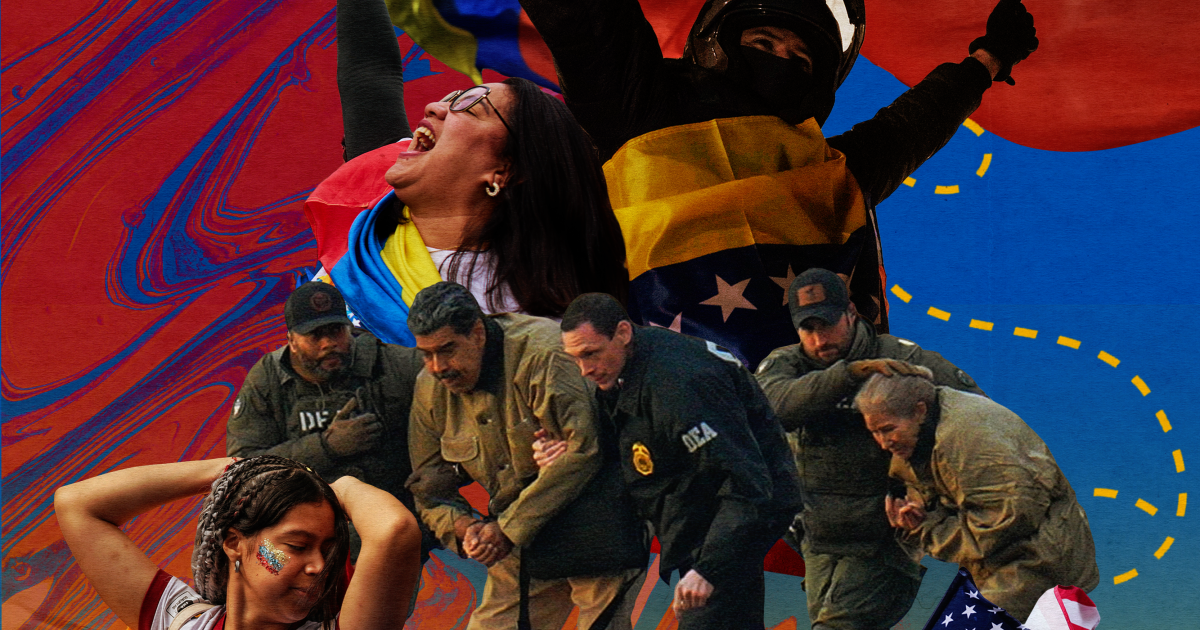
“Y ahora ya estamos en la etapa ‘whatever bro…tengo que ir a trabajar’,” a friend on WhatsApp texts me from Caracas. It’s been a few days since the United States bombed the Venezuelan capital in an operation that resulted in the capture of Chavista President Nicolás Maduro and First Lady Cilia Flores.
In conservative diaspora strongholds like Doral, a predominantly Venezuelan suburb of Miami, they’re likely still nursing celebratory hangovers. In other major cities like New York, where Maduro is being held in the same Brooklyn prison as Diddy and Luigi Mangione — after being paraded in an open police car and photographed in more outfit changes than Cardi B in court — protests have been led by leftist organizations urging the U.S. to keep its “Hands Off Venezuela,” calling attention to past U.S.-led operations in the region.
Meanwhile in Venezuela, from the capital city to the Colombian border at Cúcuta, there are civilians in the streets getting their phones checked for having pro-opposition conversations by colectivos (armed pro-government gangs). Venezuelans are making emergency visits to the grocery store “that are long but orderly,” according to my cousin in Catia, a rough neighborhood in western Caracas; foreign and local journalists are discouraged from reporting on the current situation, lest they risk being detained; GoFundMe campaigns are being launched to rebuild houses destroyed by the U.S.’ medically precise blitzkrieg. Maduro’s former VP Delcy Rodriguez is enjoying her first week as Venezuela’s interim president, an emergency inauguration that crowned a Temu Cersei Lannister.
Venezuelan Twitter has processed these winds of change with memes about oil, international human rights and feeling like Dory, the absent-minded fish from “Finding Nemo,” buffering a thought. The jokes about abuelita frying empanadas in petroleo poke fun at the very real nostalgia a lot of us in the diaspora feel being raised outside Venezuela, scattered pieces of the biggest mass exodus in the Western Hemisphere.
You’re reading Latinx Files
Fidel Martinez delves into the latest stories that capture the multitudes within the American Latinx community.
By continuing, you agree to our Terms of Service and our Privacy Policy.
The “laugh so we don’t cry” of it all highlights not just the iconic Venezuelan wit but the fact that our most abundant natural resource and its central role in the current political theater starring Donald Trump has become more central to the global conversation than, say, the hundreds of political prisoners who are waiting to be freed.
This is just one Venezuelan’s opinion in a churning sea of them. Who am I to steal the joy any of us might feel about the light at the end of the tunnel that Maduro’s imprisonment represents for our people? That’s assuming that the darkness in said tunnel is Chavismo. And for many Venezuelans, both in and out of the country, regardless of their political orientation, it is.
With that said, does that feckless glee go away if Chavista leaders are still in the Palacio De Miraflores, actively collaborating with the Trump administration — who are openly (and violently) vying for our resources? There are no oil riches flowing to the common Venezuelan, a sad truth of the last mismanaged, tragic decade in our history of water shortages, blackouts, widespread poverty and state-sanctioned police brutality.
And now, though Maduro is facing criminal charges in New York, his cabinet remains in Caracas. Not exactly an ending to the regime. So, to the Sabine Mengele-Eichmanns and Gustav Halvorssens from Miami, is this really the time to be playing gaitas and chugging Ron Santa Teresa until we black out?
The fact is, from conversations I’ve had with family members and friends both in and out of the country, a lot of Venezuelans are still wondering exactly how to feel. Nobody wants to deal with our old devil, even if the new one comes with an encroaching open threat actively bubbling in the Caribbean and Latin America at large. After years of trying to oust Maduro democratically, many of us are finding our relief increasingly complicated at this time.
What’s to become of our people? Especially those imprisoned as “traitors to the patría,” or for simply being critical of the regime? It’s a doubt that can only be clarified by the liberation of all political prisoners — a process years in the making that began yesterday afternoon.
Even then, what does it mean for that outcome if it comes from a Chavista government that is simultaneously in compliance with the U.S.? Under Delcy Rodriguez and Minister of Peace (George Orwell, eat your heart out) Diosdado Cabello, it’s looking like more of the same.
President-elect Edmundo González — called a U.S. plant by some, despite the overwhelming votes in his favor this past election — and María Corina Machado — the right-of-center Nobel Peace Prize laureate who went from gleefully praising U.S. intervention to being called unfit to run Venezuela by Trump — spoke about the political prisoners being freed as a priority. With the possibility of the opposition being handed the reins of Venezuela now a seemingly impossible option, nobody is really sure what will happen. We’re left to squabble online and refresh the news.
No matter how it slices, Venezuela is not (and has never been) a problem of left versus right. The “socialist victory” of Chavismo has meant little other than lip-service to anti-imperialist struggles in support of the Palestinian people and elsewhere — not to mention state-sponsored trips for leftist U.S. delegations. The violent and repressive Venezuelan state has largely been given a pass by organizers with real power to build international solidarity, because the regime arguably aligns with their politics, albeit at a surface level. It doesn’t help that the opposition largely touts conservatism as the antidote, which is how MAGAzolanos became crucial for Trump securing Florida in the 2024 election.
I remember a friend once telling me that political parties are two wings of the same bird. It’s a discourse many U.S. citizens, in their frustration with Democrats and Republicans, should be familiar with at this point.
In the fog of uncertainty, I’ve found certainty in my pain. It’s one that all of us in the Venezuelan diaspora feel, albeit in different ways. We channel it in bad poetry, news updates, trauma responses and (as it goes for some of us) the worst political takes I have ever had the displeasure to have to untangle via Instagram. This is a conservative whiplash that Cubans, Dominicans, Iranians and other violently dispersed diasporas understand well.
Personally, I just don’t think there’s anything worth celebrating until the Helicoide (Latin America’s biggest torture prison in the heart of Caracas) is emptied.
I’ll celebrate when the police state stops keeping citizens under its thumb and brutalizing them upon finding anything remotely anti-Chavista on their phones.
I’ll celebrate when I can come in and out of Venezuela with little difficulty, collaborate with artists and writers there, and report on more than just our tragedy.
I’ll celebrate when I can calmly organize a vacation where I can take friends who have never been to Venezuela on a beach picnic to Playa Pantaleta, where we will spend an afternoon laughing over fried fish and slamming our bodies against the Caribbean Sea.
Until then, a vigilant optimism — tinged by dread — is the only thing that makes any sense in this void of power, one where people are trying to keep it together, feed their families in spite of inflation and somehow get to work without having to worry about the fate of the nation.
Consider subscribing to the Los Angeles Times
Your support helps us deliver the news that matters most. Become a subscriber.
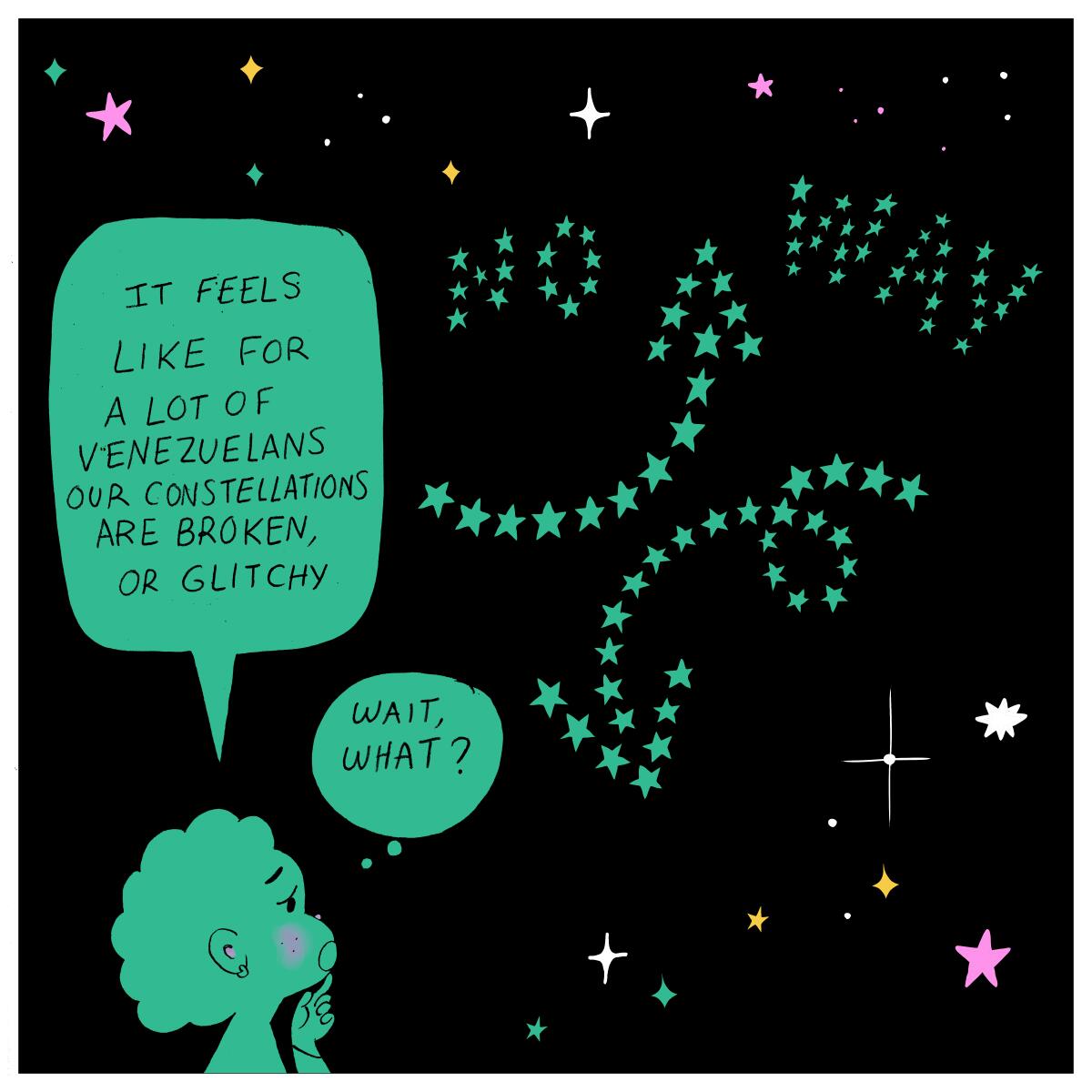
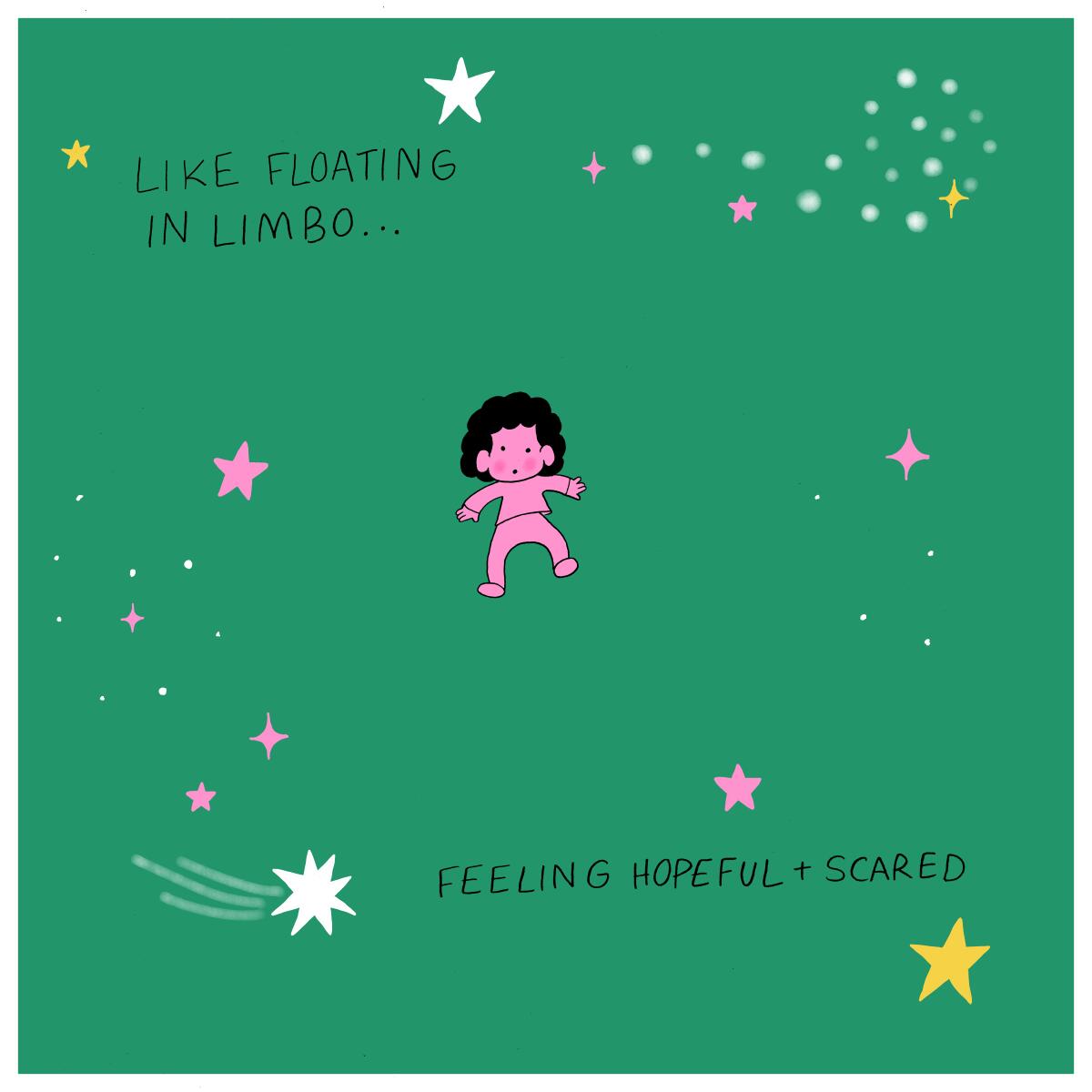
Comic: Constellations 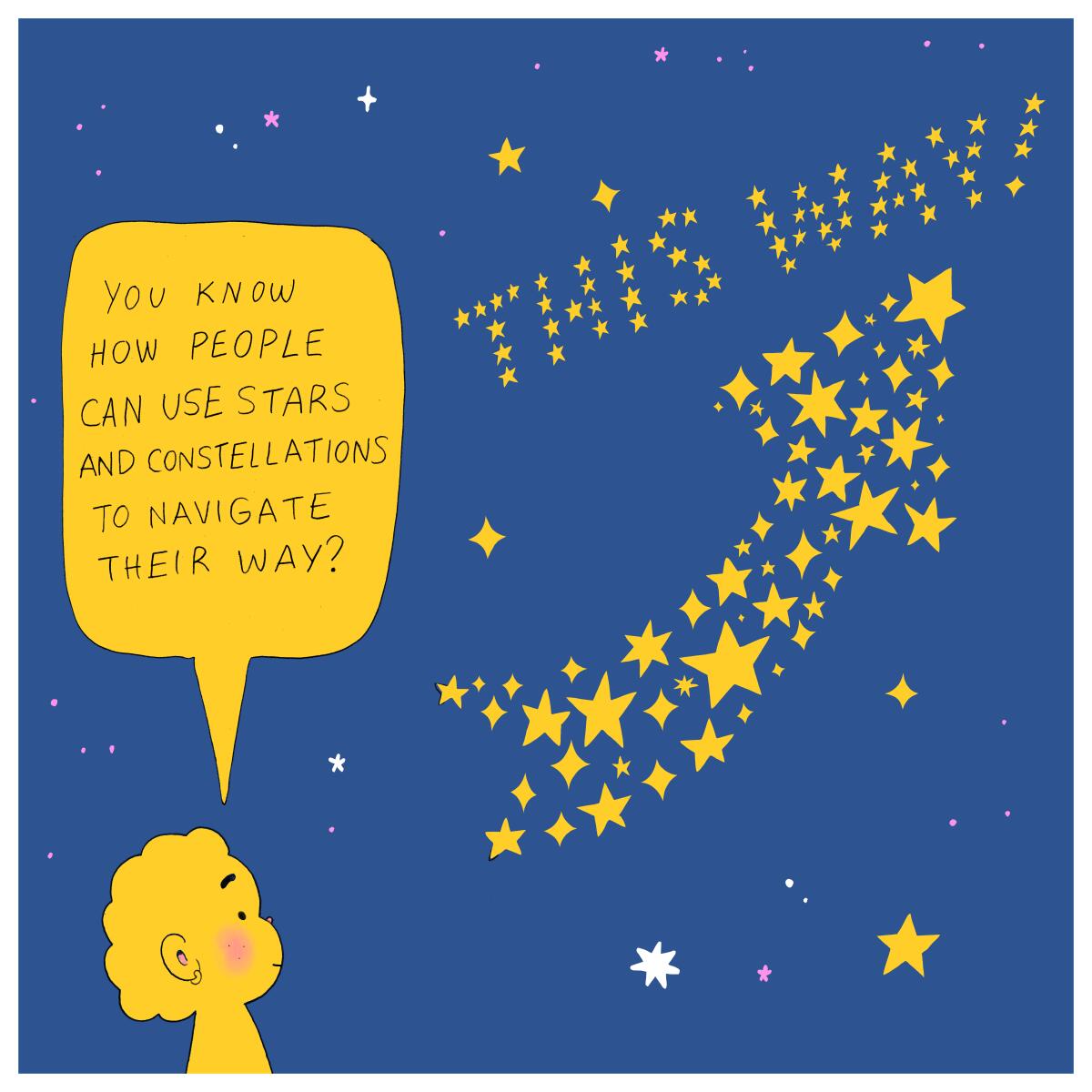

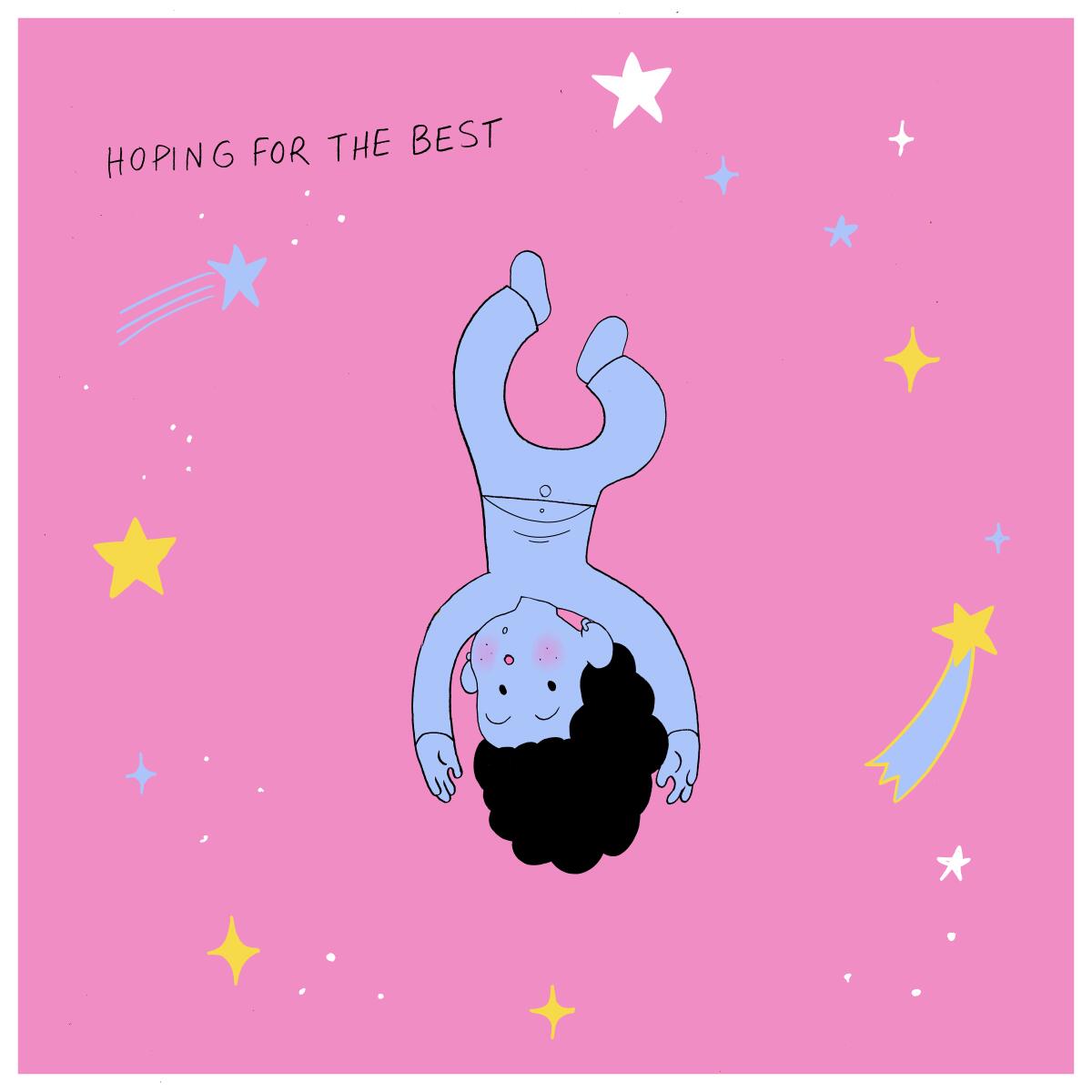
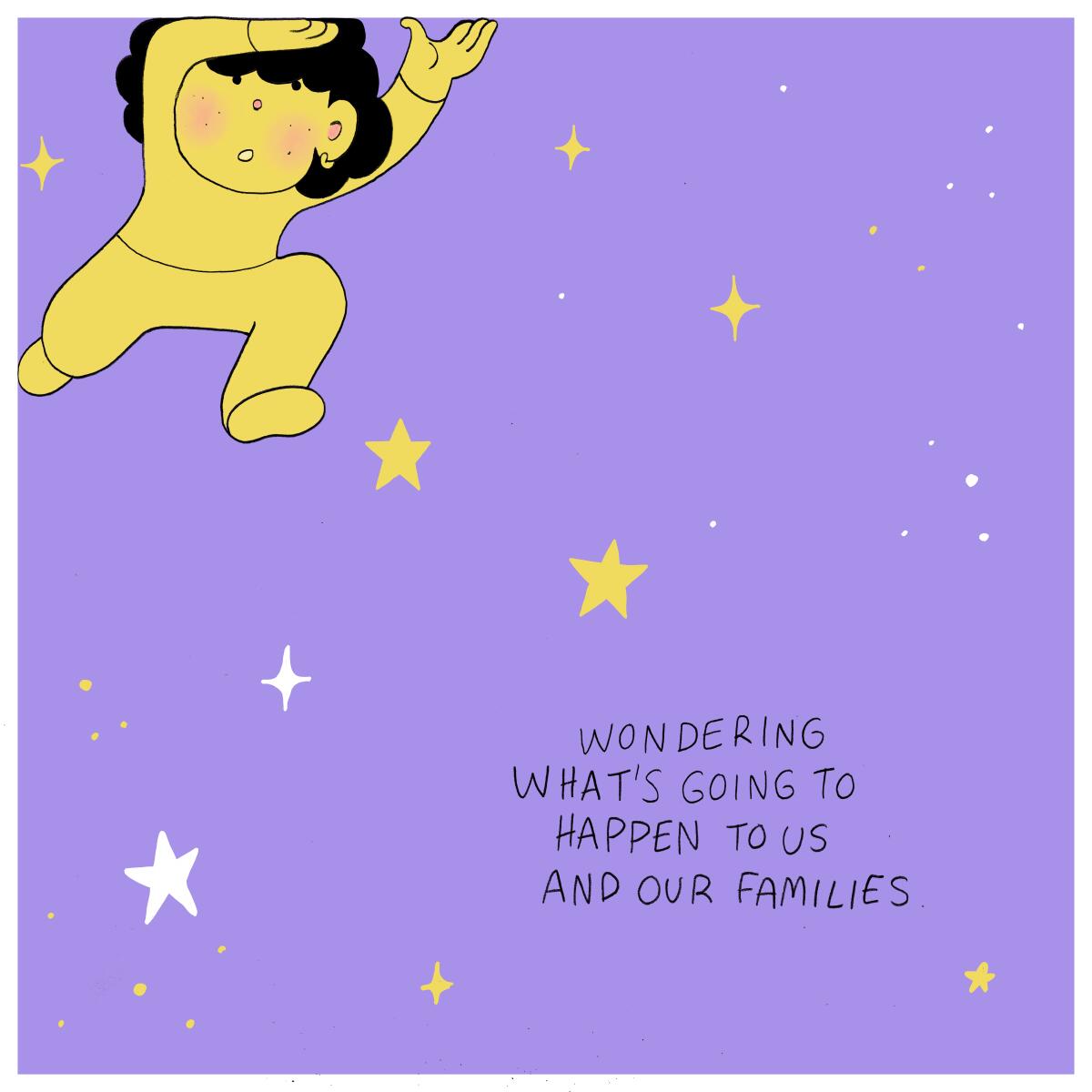

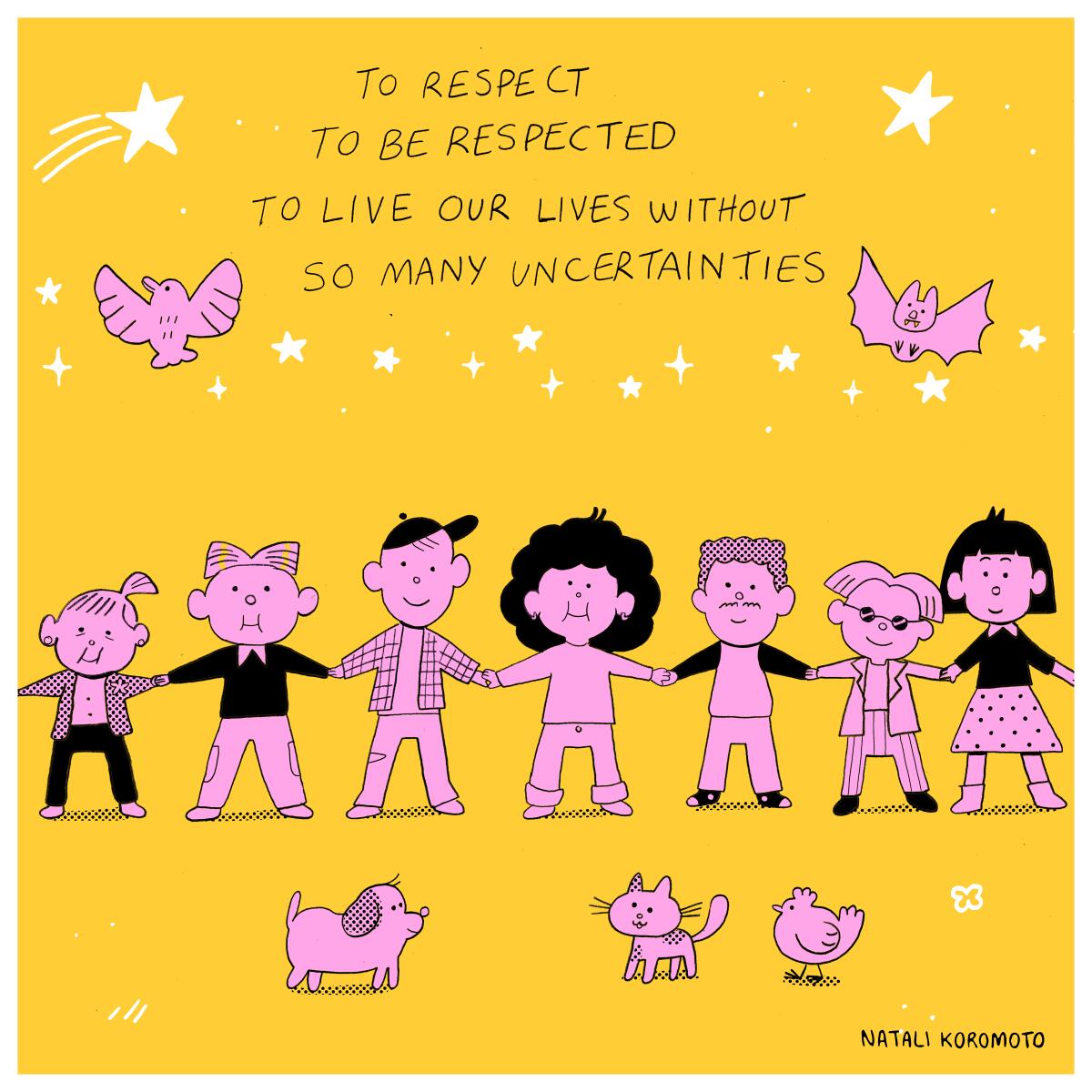
Natali Koromoto Martinez is a Venezuelan-born illustrator and designer based in New York City. From her studio storefront in Williamsburg, Brooklyn, she creates playful illustrated goods under her independent label, Natali Koromoto, and her work has appeared in collaborations with Nickelodeon, Cartoon Network and the New York Times.
Fuerza Regida’s JOP gets candid about Grammys snub, the rise of música mexicana and running his own label 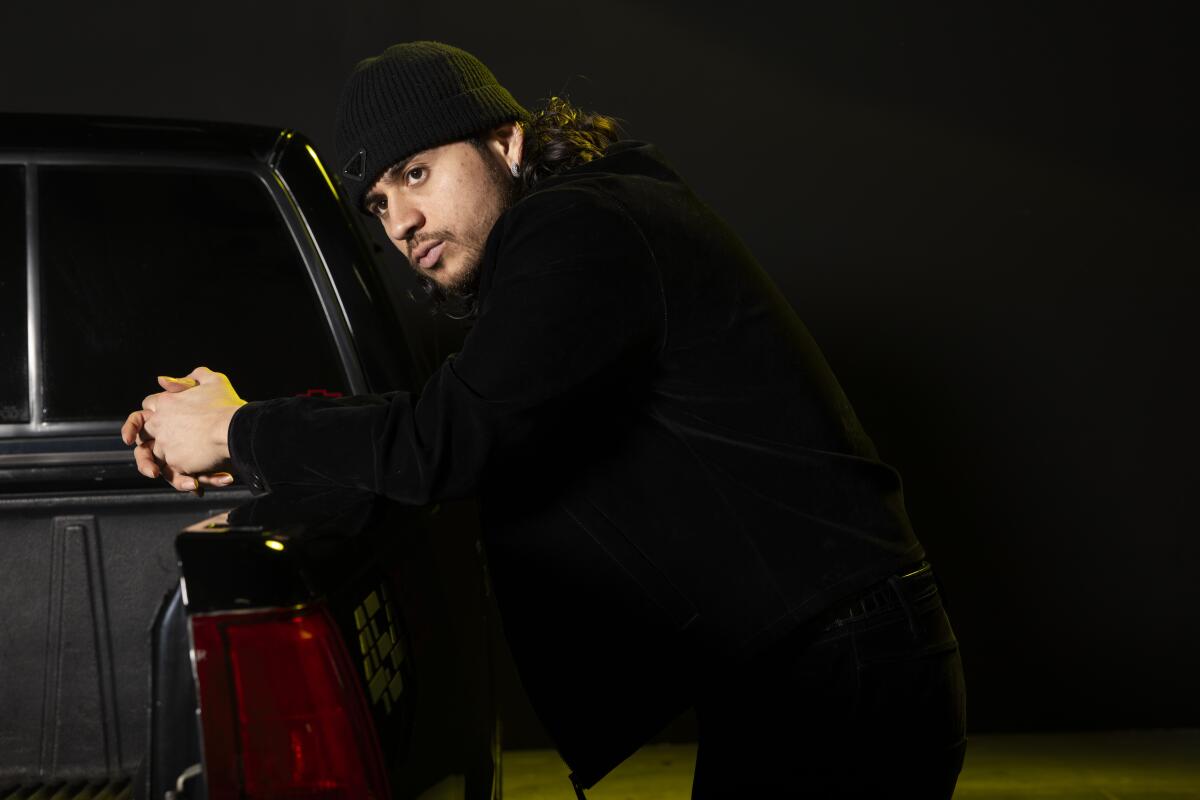
Musician Jesus Ortiz Paz, photographed at his studio in Rancho Cucamonga.
(Ian Spanier / For The Times)
De Los staffer Andrea Flores profiled Jesús Ortiz Paz, better known as JOP. The vocalist has led his band Fuerza Regida to top multiple Billboard charts and helped propel the Mexican corrido tradition, all while running his own label.
Thanks to its streetwise sound and ethos, Fuerza Regida has also helped pave the way for a new generation to rise up within música mexicana.
“ I think the genre itself, the Mexican music genre really helped Mexicans be cool,” said JOP — who used to bump songs by Chalino and Adán Sánchez on his way to school in San Bernardino, but then lower the volume as he got closer to campus. Most of his classmates, himself included, preferred to listen to hip-hop back then. “Now [people] are bumping Mexican music, they don’t even know Spanish.”
The profile is the cover story for Sunday’s entertainment print section. It hits newsstands on Jan. 11 (or “1/11xpantia”).
Stories we read this week that we think you should read
Unless otherwise noted, stories below were published by the Los Angeles Times.
Politics and immigrationThe AmericasArts, culture and entertainment