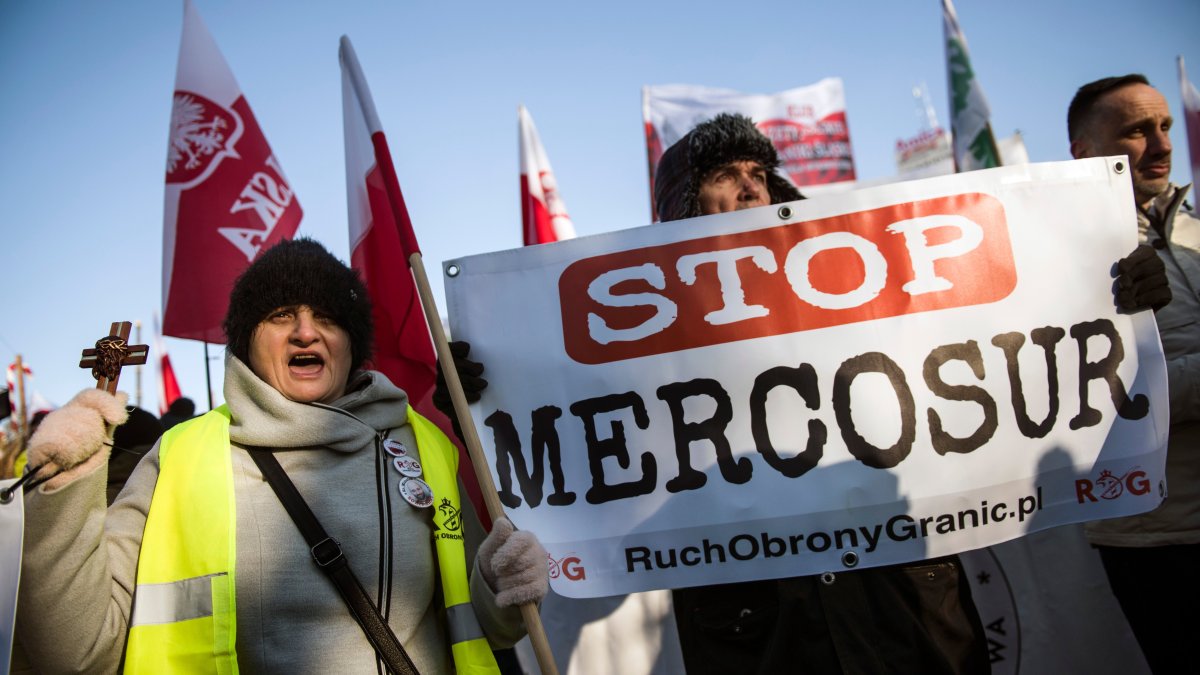
The European Union has provisionally agreed a trade deal with Latin America’s largest economies, ending more than two decades of negotiations despite opposition from the likes of France, Poland and Hungary.
Ambassadors from a qualified majority of member states backed the EU-Mercosur trade deal, which covers Brazil, Argentina, Uruguay and Paraguay, to create a free-trade area covering 700 million people. The deal will be approved unless there are vetoes raised by European Union ministers late on Friday and it is still subject to approval in the European parliament.
The trade talks were beset by internal disputes in the union, some of whose farmers opposed a deal they claimed would open them up to major competition from Latin American agricultural producers.
France, Ireland, Poland, Hungary and Austria opposed the trade deal, and Belgium abstained from a vote on Friday. Italy, which had previously forced a delay, made a decisive move to support the deal after securing concessions from Brussels. The European Commission spent most of last year promising additional subsidies to the continent’s farmers to protect them from unfair competition.
Member states’ backing for the EU-Mercosur agreement comes at a sensitive time for Europe’s relations with the US and days after the Trump administration sought to reimpose its geopolitical influence over the region by deposing Venezuela’s Nicolás Maduro. China has also had a growing economic presence on the continent.
Friedrich Merz, the German chancellor, said: “The EU-Mercosur agreement is a milestone in European trade policy and a strong signal of our strategic sovereignty and ability to act. This is good for Germany and for Europe. But 25 years of negotiations were far too long — we need to move faster.”
On Thursday President Macron of France said Paris would oppose the deal, which risked Europe’s food security. Peter Szijjarto, Hungary’s minister for foreign affairs and trade, said the agreement would “open Europe to unlimited imports of South American agricultural products at the expense of the livelihoods of Hungarian farmers”.
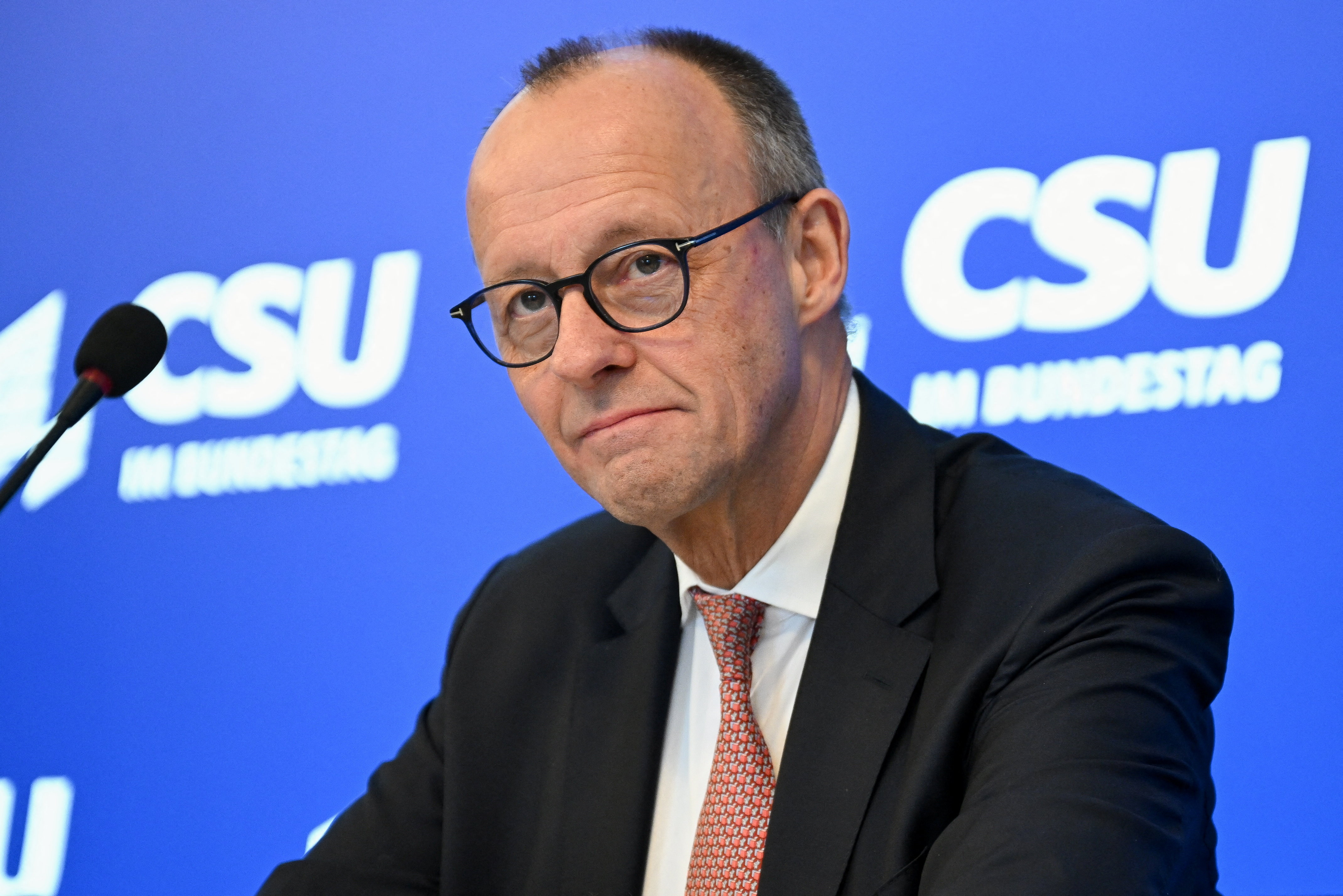
Friedrich Merz, the German chancellor, called the deal a “milestone” but said the talks took too long
ANGELIKA WARMUTH/REUTERS
Agathe Demarais, a senior fellow at the European Council on Foreign Relations, said a failure to sign the pact “risked pushing Latin American economies closer to Beijing’s orbit. The conclusion of the deal also signals that Europeans are serious about diversifying their export markets away from the US”.
The trade deal is diplomatically significant but will provide little boost to Europe’s economies. The European Commission estimates the benefits of the EU-Mercosur trade deal will raise the bloc’s growth by 0.05 per cent and will be phased in over 15 years.